
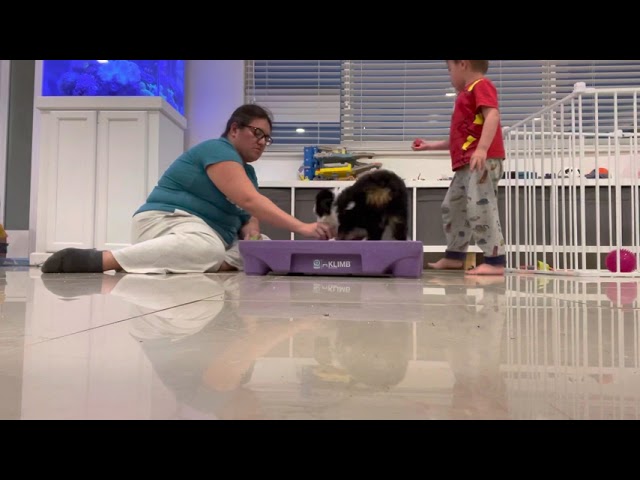
Miami Puppy Training: Setting Your New Dog Up for Success
Bringing a new puppy home to Miami is an exciting time, but it also comes with a lot of responsibility. Proper training from day one is crucial for your puppy to grow into a well-behaved, confident adult dog that fits seamlessly into your family and your Miami lifestyle. This guide focuses on practical, owner-friendly steps you can take right away.
The First Few Days: Establishing Routine and Trust
The moment your puppy, whether a tiny Chihuahua or a hefty Great Dane, steps into your home, they are learning. Establish a predictable routine immediately. This includes feeding times, potty breaks, playtime, and sleep. Consistency helps your puppy understand expectations and reduces anxiety.
- Potty Training: Take your puppy outside every 1-2 hours, immediately after waking up, after eating or drinking, and before bedtime. Praise and reward them with a small, high-value treat (like a tiny piece of cooked chicken) the instant they eliminate outside. If your puppy is 8-12 weeks old, they have very small bladders and need frequent opportunities. Use a consistent potty spot in your yard or on a designated patch of grass if you live in an apartment.
- Crate Training: A crate is not a punishment; it's a safe den. Introduce it positively with treats and toys. Start with short periods, gradually increasing the time. This aids in potty training, prevents destructive chewing, and provides a secure space for your puppy. For an 8-week-old puppy, start with 15-30 minutes, slowly building up. The crate should be just large enough for them to stand up, turn around, and lie down comfortably.
- Socialization: Between 3 and 16 weeks of age, puppies have a critical socialization window. Expose your puppy to a variety of sights, sounds, people, and other vaccinated, friendly dogs in a positive way. Think about the sounds of Miami traffic, children playing, people on skateboards, or even the feel of sand at the beach (if appropriate and safe). Always ensure these experiences are positive and not overwhelming. A fearful experience during this period can have lasting effects.
Essential Commands for Every Miami Dog
Start with these foundational commands as soon as your puppy is settled, usually around 8-10 weeks old. Keep training sessions short (5-10 minutes), positive, and fun, 3-5 times a day. Use high-value treats and enthusiastic praise.
"Sit"
- Hold a treat near your puppy's nose.
- Slowly move the treat up and back over their head. As their nose follows the treat, their rear end will naturally lower into a sit.
- The moment their rear touches the ground, say "Sit!" and immediately give the treat and praise.
- Repeat 5-10 times, then take a break.
"Come" (Recall)
This is a life-saving command, especially important in busy areas like Miami parks or if your dog ever gets loose.
- Start in a quiet, enclosed area.
- Get down to your puppy's level, open your arms, and use an excited, happy voice to say "Come!" (or your puppy's name followed by "Come!").
- As they approach, back away a few steps to encourage them to follow.
- When they reach you, reward generously with treats and praise.
- Never use "Come" to do something unpleasant (like giving medicine or ending playtime).
"Stay"
Once your puppy reliably sits, you can introduce "Stay."
- Ask your puppy to "Sit."
- Hold your hand up like a stop sign and say "Stay."
- Take one small step back. If your puppy stays, step back to them, reward, and release with a word like "Okay!"
- Gradually increase distance and duration. If they break the stay, calmly put them back in position and try again.
"Leave It"
Crucial for preventing your puppy from picking up dangerous items off the ground, whether it's a dropped hot dog on a Miami sidewalk or something more harmful.
- Hold a low-value treat (like a piece of kibble) in your closed fist.
- Present your fist to your puppy. When they sniff, lick, or paw at it, say nothing and wait.
- The moment they look away from your hand, say "Yes!" and reward them with a high-value treat from your other hand.
- Practice this until they consistently look away. Then, place the low-value treat on the floor, cover it with your hand, and repeat the process.
- Eventually, you can say "Leave It" as they approach the item, and reward them for ignoring it.
Addressing Common Puppy Challenges
- Nipping and Biting: Puppies explore with their mouths. When your puppy nips too hard, yelp loudly (like another puppy would) and immediately withdraw attention for 10-20 seconds. If they continue, calmly put them in their crate for a short "time-out" (1-2 minutes). Provide plenty of appropriate chew toys.
- Chewing: Puppies chew due to teething, boredom, or anxiety. Ensure they have a variety of safe, appropriate chew toys. If they chew something inappropriate, redirect them to a toy. Bitter apple spray can deter chewing on furniture.
- Jumping: When your puppy jumps on you or guests, turn your back and ignore them. Only give attention when all four paws are on the floor. Consistency is key.
- Barking: Understand why your puppy is barking (boredom, attention-seeking, fear, alert). Address the root cause. For attention-seeking barking, ignore it until they are quiet, then reward.
When to Seek Professional Help
While this guide provides a strong foundation, some puppies or situations might require more specialized assistance. Consider a professional dog trainer or behaviorist if:
- Your puppy exhibits extreme fear or aggression.
- You're struggling with a specific behavior despite consistent effort.
- You want to advance to more complex training or dog sports.
- You're considering group puppy classes in Miami for structured socialization and expert guidance.
Look for trainers who use positive reinforcement methods, as these are the most effective and humane for building a strong bond with your puppy.
Living with Your Puppy in Miami
Miami offers many opportunities for you and your well-trained puppy. Once fully vaccinated (typically around 16 weeks), you can explore dog-friendly parks like Haulover Beach Dog Park or Kennedy Park. Remember to always bring water, pick up after your dog, and ensure they are comfortable in new environments. Consistent training will make these adventures enjoyable for both of you.
Written and reviewed by the Doggie General editorial team. This article is general information for dog owners, not veterinary advice. If your dog is unwell or you are worried about its health or behavior, contact your veterinarian. When you buy through links on this site we may earn a commission.