Understanding Service Dogs: More Than Just Pets
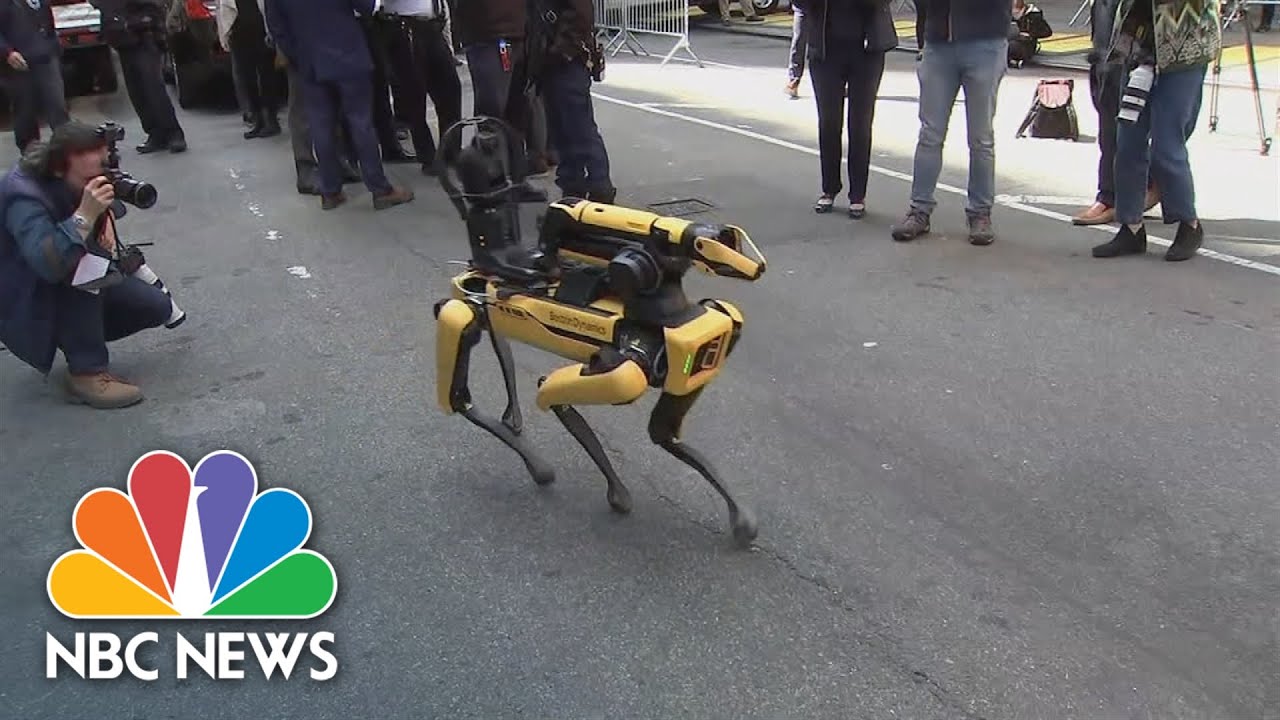
You might have seen dogs working alongside police, firefighters, or even in hospitals. These aren't just well-behaved pets; they are highly trained service dogs, performing crucial tasks that help people and communities. While the idea of a “robot dog” joining the police might sound futuristic, real dogs have been serving alongside humans for centuries. This article focuses on the incredible work of various types of service dogs, what makes them special, and how they are trained. For a closer look at the latest police robot dog, check out A Closer Look at Digidog.
What is a Service Dog?
A service dog is an animal individually trained to do work or perform tasks for the benefit of an individual with a disability. The tasks performed must be directly related to the person's disability. This is a key distinction from emotional support animals or therapy dogs, which provide comfort but aren't trained to perform specific tasks related to a disability.
- Assistance Dogs: This is a broad category that includes many types of service dogs.
- Working Dogs: Often refers to dogs in roles like police K9s, search and rescue, or military dogs.
Police K9s: The Canine Officers
Police dogs, often called K9s, are an invaluable part of law enforcement. Their exceptional senses of smell and hearing, combined with rigorous training, allow them to perform tasks humans cannot. These dogs are not just tools; they are partners to their handlers, often living with them and forming an unbreakable bond.
Common Breeds for Police Work
Certain breeds are favored for their intelligence, trainability, physical prowess, and stable temperament:
- German Shepherd Dog: Known for their versatility, courage, and strong protective instincts. They typically weigh between 50-90 lb (22-40 kg).
- Belgian Malinois: Smaller and more agile than German Shepherds, with incredible drive and focus. They usually weigh 40-80 lb (18-36 kg).
- Dutch Shepherd: Similar in appearance and temperament to the Malinois, known for their high energy and work ethic.
- Labrador Retriever: Often used for detection work due to their excellent noses and friendly demeanor, which can be less intimidating to the public. They weigh 55-80 lb (25-36 kg).
- Beagle: Primarily used for detection of narcotics or agriculture contraband due to their superior scenting abilities, typically weighing 20-30 lb (9-14 kg).
Training for Police K9s
Training for a police dog begins at a young age, often around 8-12 weeks, with basic obedience and socialization. Formal K9 training typically starts between 1-2 years of age and can last for several months, sometimes over a year, depending on the specialization. The training is intense and highly specialized.
Key Training Areas:
- Obedience: Advanced obedience is critical. Dogs must respond instantly to commands like "sit," "stay," "come," "down," and "heel" under extreme distractions.
- Scent Detection: Dogs are trained to detect specific odors, such as narcotics, explosives, accelerants (for arson investigation), or human remains. This involves imprinting the scent and rewarding the dog for indicating its presence.
- Tracking/Trailing: Following a human scent trail, often across varied terrain and after a significant time delay. This requires immense focus and stamina.
- Patrol/Apprehension: This involves bite work, where dogs are trained to apprehend suspects safely and effectively, releasing on command. This is highly controlled and requires extensive bite suit training with decoys.
- Search and Rescue (SAR): Specialized K9s locate missing persons in wilderness, disaster sites, or underwater.
Police dogs are continuously trained throughout their careers to maintain their skills and adapt to new scenarios. Their handlers also undergo extensive training to learn how to work effectively with their canine partners.
Other Types of Working and Service Dogs
Beyond law enforcement, dogs serve in many other vital roles:
- Guide Dogs: Assist individuals who are blind or visually impaired navigate obstacles, stairs, and traffic. Breeds like Labradors, Golden Retrievers, and German Shepherds are common. Training can take 18-24 months.
- Hearing Dogs: Alert deaf or hard-of-hearing individuals to important sounds like doorbells, smoke alarms, or crying babies by nudging or leading them to the source. Smaller, alert breeds are often chosen.
- Mobility Assistance Dogs: Help individuals with physical disabilities by retrieving dropped items, opening doors, turning lights on/off, or providing balance support. Larger, sturdy breeds are preferred.
- Diabetic Alert Dogs: Trained to detect changes in blood sugar levels through scent and alert their owners, often by pawing or barking. Any breed with a good nose can be trained, but smaller breeds like Poodles or mixed breeds are common.
- Seizure Alert/Response Dogs: Some dogs can sense an impending seizure and alert their owner to take precautions. Others are trained to respond during a seizure, fetching medication or alerting family members.
- Autism Service Dogs: Provide a calming presence, prevent bolting, and help with social interactions for individuals with autism. Often larger, calm breeds like Labradors or Golden Retrievers.
- Facility Dogs: Work in hospitals, courthouses, or schools to provide comfort and support to multiple people, often with a professional handler.
The Bond Between Dog and Handler
For any working dog, especially police K9s and assistance dogs, the bond with their handler is paramount. This isn't just about training; it's about trust, mutual respect, and understanding. The dog relies on the handler for guidance and care, and the handler relies on the dog's unique abilities. This deep connection is what allows these teams to perform their extraordinary work effectively and safely. The benefits of dog ownership for mental health are well-documented, and this bond exemplifies that.
If you encounter a service dog in public, remember they are working. It's important to:
- Do not pet the dog without permission. Petting can distract a working dog from its critical tasks.
- Do not offer food. This can interfere with their diet or training.
- Do not make sudden noises or gestures. This can startle the dog or handler.
- Speak to the handler, not the dog. The dog is focused on its job.
While the idea of a robot dog might capture headlines, the real heroes are the living, breathing, highly trained dogs that dedicate their lives to serving humanity. Their intelligence, loyalty, and incredible abilities continue to make a profound difference in countless lives every day.
Written and reviewed by the Doggie General editorial team. This article is general information for dog owners, not veterinary advice. If your dog is unwell or you are worried about its health or behavior, contact your veterinarian. When you buy through links on this site we may earn a commission.