
When Your Dog's a Hero: Understanding and Encouraging Helpful Behaviors
We've all seen those amazing stories: dogs calling 911, alerting to fires, or even fetching help during a medical emergency. While your dog might not be ready to dial 911 just yet, understanding how dogs learn and what motivates them can help you unlock their incredible potential. This isn't about turning your family pet into a service dog overnight, but about recognizing their natural instincts, building a stronger bond, and teaching them practical skills that could genuinely make a difference in an emergency.
The Natural Instincts That Make Dogs Heroes
Dogs are incredibly perceptive creatures, often noticing subtle changes in their environment and in us that we might miss. Several natural instincts contribute to their ability to be helpful:
- Pack Mentality: Dogs are social animals. They see you as part of their pack and have a strong desire to protect and care for their pack members.
- Acute Senses: Their sense of smell is 10,000 to 100,000 times more acute than ours, and their hearing is far superior. They can detect changes in scent (like those associated with certain medical conditions) or hear sounds that indicate distress.
- Observational Learning: Dogs constantly observe our routines and body language. They learn what's normal and can detect when something is out of place.
- Desire to Please: Many dogs, especially breeds like Golden Retrievers, Labrador Retrievers, and Border Collies, have a strong innate desire to work and please their human companions.
Building a Foundation for Helpful Behaviors
Before you can teach your dog specific emergency responses, you need a solid foundation of trust, communication, and basic obedience. This strengthens your bond and makes your dog more receptive to learning new things.
- Positive Reinforcement: Always use positive reinforcement (treats, praise, toys) when training. Never punish your dog for not understanding or making a mistake.
- Reliable Recall: A strong recall is crucial. Your dog needs to come to you reliably, even when distracted. Practice in various environments.
- "Stay" and "Wait" Commands: These commands teach impulse control and allow you to direct your dog's actions.
- "Go Get It" or "Fetch": This is a foundational skill for retrieving specific items. Start with toys and gradually introduce other objects.
- Socialization: A well-socialized dog is more confident and less likely to panic in unusual situations. Expose your puppy to various sights, sounds, people, and other dogs from 8 to 16 weeks of age.
Teaching Specific Emergency-Related Skills
Here are some practical skills you can teach your dog that could be useful in an emergency. Remember to keep training sessions short (5-10 minutes), fun, and consistent.
1. Alerting to Distress
Dogs can be taught to alert you or others when something is wrong. This is often based on noticing a change in your behavior or environment.
- Recognizing a Cue: Start by associating a specific sound or action from you (e.g., a cough, a specific phrase, or falling to the ground) with an alert behavior.
- Teaching an Alert: When you make your cue, encourage your dog to bark, nudge you, or go to a specific person. Reward heavily when they perform the desired action.
- "Go Get Help": If you have a trusted neighbor or family member nearby, you can train your dog to go to their door. Start by having the person wait just outside your door. When you give the "Go get help!" command, open the door and encourage your dog to go to the person. The person should reward the dog enthusiastically. Gradually increase the distance and the time the person waits.
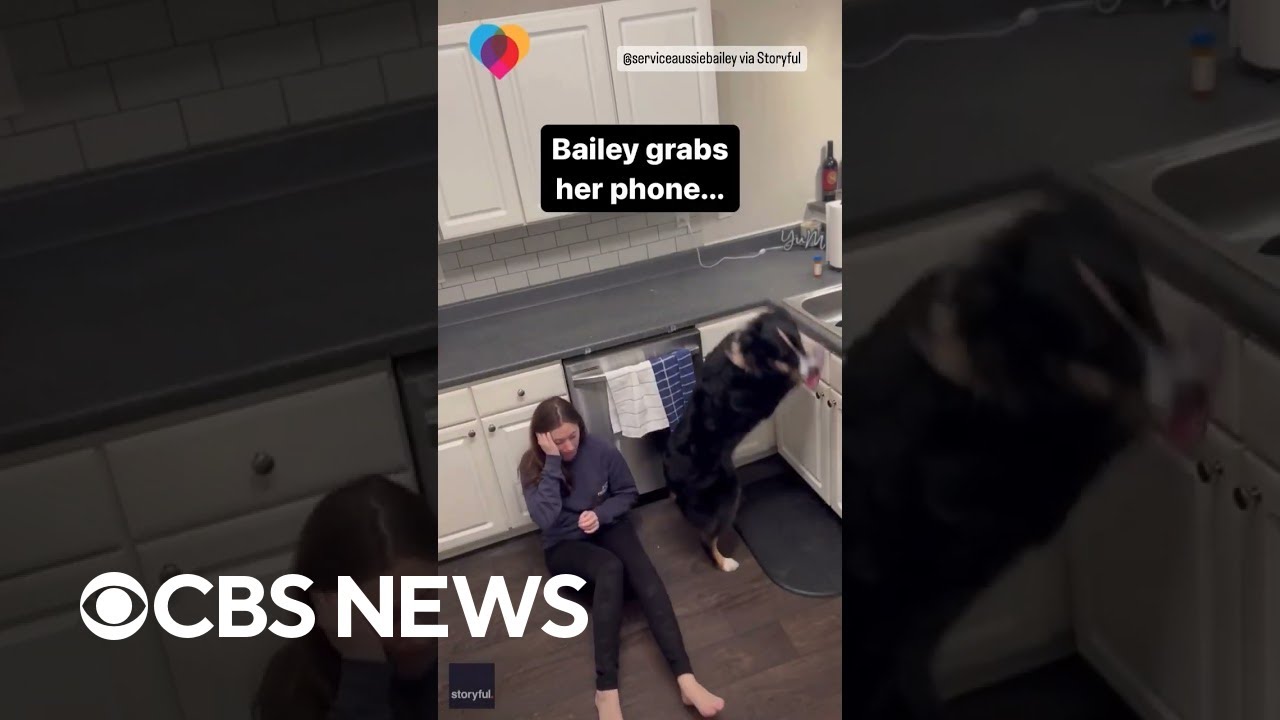
2. Retrieving Specific Items (e.g., a phone, medication)
This builds on the "Go Get It" command.
- Scent Association: Start with an object that smells strongly of you (like a worn t-shirt) or has a distinct scent.
- Name the Object: Hold the object and say its name clearly (e.g., "Phone!"). When your dog touches or mouths it, reward them.
- "Fetch [Object Name]": Place the object a short distance away. Give the command "Fetch [Object Name]!" When your dog brings it back, reward them.
- Increase Difficulty: Gradually place the object further away, in different rooms, or under a blanket. Always reward successful retrieval.
- Practice with a Phone: Use an old, deactivated phone for training. Make sure your dog understands to bring it gently, not chew it.
3. Opening Doors/Pressing Buttons
Some larger, more agile dogs can be taught to open lever-style doors or even press emergency alert buttons, though this requires significant training.
- Door Opening: Start by luring your dog's nose or paw to the door handle. When they touch it, reward. Then, encourage them to push down on the handle. Once they can push it down, encourage them to pull the door open. This is a complex trick and requires patience.
- Button Pressing: If you have a large, easy-to-press emergency button, you can teach your dog to nose or paw it. Use a target stick to guide their nose to the button, rewarding them for contact.
Important Considerations for Safety and Realism
- Not a Substitute for Human Help: While these skills are amazing, they are not a substitute for professional medical alert dogs or human intervention. Always contact emergency services yourself if possible.
- Breed and Temperament: Some breeds are naturally more inclined to these types of tasks (e.g., working breeds, retrievers). A Chihuahua might struggle to open a heavy door, but could be excellent at alerting with a bark.
- Consistency is Key: Practice these skills regularly, even if just for a few minutes a day, to keep them fresh in your dog's mind.
- Environmental Proofing: Once your dog understands a command, practice it in different environments with varying distractions.
- Never Force: If your dog seems stressed or unwilling, stop the training and try again later or adjust your approach. Training should always be a positive experience.
Your dog's loyalty and intelligence are incredible assets. By understanding their natural abilities and investing time in positive training, you can not only strengthen your bond but also equip your furry friend with skills that could, in a rare but critical moment, make them a true hero.
Written and reviewed by the Doggie General editorial team. This article is general information for dog owners, not veterinary advice. If your dog is unwell or you are worried about its health or behavior, contact your veterinarian. When you buy through links on this site we may earn a commission.