
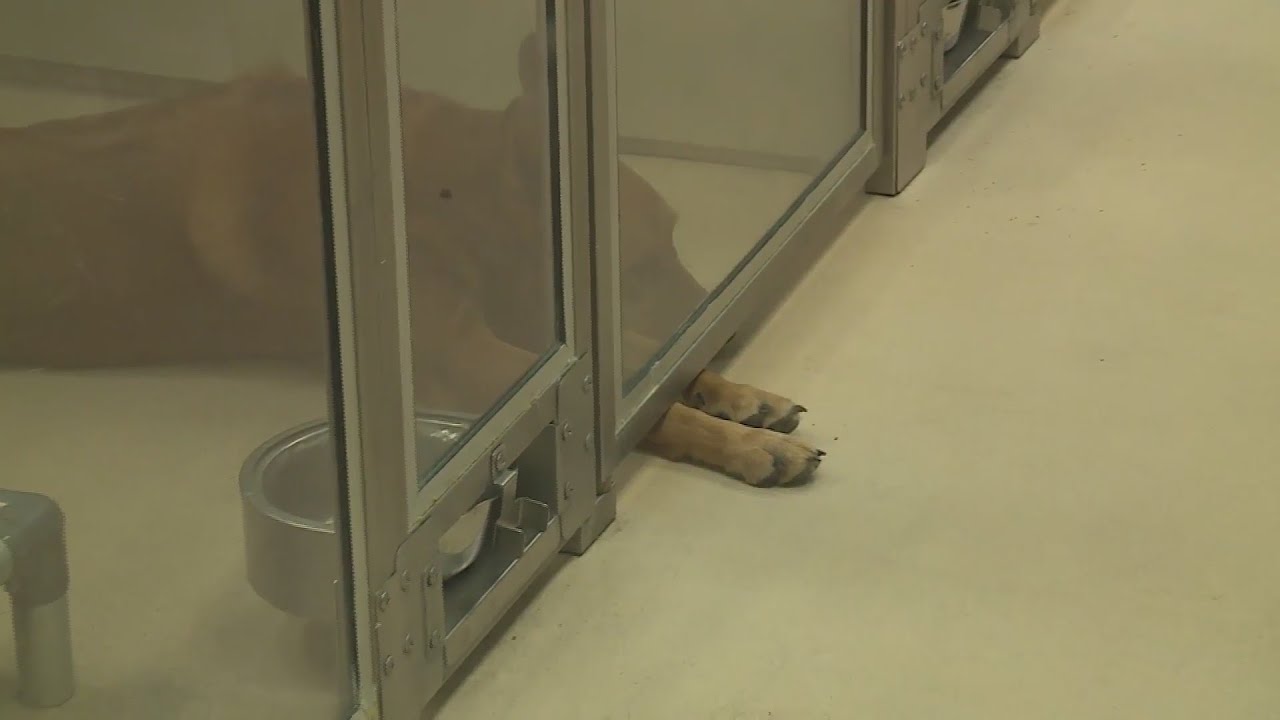
The surge in dog population has become a crisis in APA shelters, with many of them pleading for aid. The shelter’s latest report shows a record increase of 159%, leaving them overwhelmed and stretched beyond their capacity. In this blog post, we’ll discuss the current situation and explore the ways in which we can all help in this time of need. As responsible pet owners, it’s our duty to step forward and lend a hand to these shelters, to help alleviate the burden they’re facing. Let’s work together in this call for help, and make a difference for the dogs in need.
Introduction
The American Pet Products Association (APA) shelters are facing a major crisis as the dog population has surged and they are pleading for aid from the public. The surge in dog ownership in the US has led to an increase in the number of unwanted dogs and strays, leading to a record increase of 159% in the number of dogs being sheltered in APA shelters. This alarming trend needs to be addressed immediately, and the APA has reached out to the public for help. In this article, we will explore the reasons behind the surge in dog populations, the challenges faced by APA shelters, and what you can do to help.
The Challenges Faced by APA Shelters
The APA shelters are struggling to keep up with the growing demand for their services. They are facing several challenges, including:
- Overcrowding: With the record increase in the number of dogs being sheltered, the APA shelters are operating over capacity, and many dogs are forced to share small spaces, leading to stress and potential health problems. For instance, a typical shelter kennel designed for a 40-pound (18 kg) Beagle might now house two, or even a 70-pound (32 kg) Labrador Retriever, significantly reducing their comfort and increasing anxiety. This can manifest as resource guarding, increased barking, and even aggression among dogs.
- Limited resources: APA shelters are mostly run by volunteers and rely on donations for funding. However, the surge in demand for their services has stretched their resources to the limit, and they are struggling to cope with the increasing costs of food, medical supplies, and other essentials. For example, feeding an extra 100 dogs a day can add thousands to monthly food bills. A 50-pound (23 kg) adult dog typically needs 2-3 cups of dry kibble daily, which quickly adds up. Medical care, from routine vaccinations for puppies (starting at 6-8 weeks old) to emergency surgeries for injured strays, can be incredibly expensive.
- Staff burnout: The overwhelming workload and emotional strain of caring for so many dogs can take a toll on the shelters’ staff, leading to burnout and a high turnover rate. Volunteers often spend 10-15 hours a week, and full-time staff much more, dealing with everything from cleaning kennels to managing adoptions and medical emergencies.
Reasons Behind the Surge in Dog Populations
Several factors have contributed to the surge in dog populations in the US, including:
- The COVID-19 pandemic: The pandemic has led to a surge in dog ownership as people sought companionship during lockdowns. With many people working from home or unemployed, they had more time to devote to their pets, leading to the surge in demand. However, as life returned to normal, many "pandemic puppies" — now 1-2 years old and often untrained — were surrendered when owners realized the long-term commitment. Breeds like Golden Retrievers, French Bulldogs, and mixed-breed "doodles" saw significant increases in demand during this period.
- Lack of spaying and neutering: Many pet owners do not spay or neuter their dogs, leading to unplanned litters and a surplus of unwanted dogs. A single unspayed female dog, like a typical 35-pound (16 kg) terrier mix, can produce two litters of 6-8 puppies per year, leading to dozens of offspring over her lifetime if not spayed. This significantly contributes to the shelter population.
- Breeding practices: Some breeders prioritize profits over animal welfare and engage in unethical breeding practices, leading to a surplus of dogs. Puppy mills often produce dogs with genetic health issues or behavioral problems due to poor breeding conditions and lack of socialization, making them more likely to end up in shelters. This is a topic often discussed in relation to Controversies Surrounding Breed-Specific Legislation, as certain breeds are disproportionately affected by irresponsible breeding.
- Lack of education: Many people are unaware of the responsibilities and costs that come with owning a dog, leading to a high number of abandoned pets. For example, a new puppy owner might not realize the need for consistent training, such as house-training a 10-week-old puppy, or the financial commitment of annual vet check-ups (around $100-300) and quality food. Understanding a dog's specific needs, which can be explored with our Breed Selector Quiz, is crucial before adoption.
How You Can Help
The APA shelters need your help to address this crisis. Here are some ways you can contribute:
- Adopt a dog: If you are looking for a new companion, consider adopting a dog from an APA shelter. Not only will you be giving a dog a second chance at a happy life, but you will also be helping to ease the overcrowding in the shelters. When adopting, consider the dog's age, energy level, and potential training needs. A 6-month-old Border Collie will have very different exercise requirements than a 7-year-old Basset Hound.
- Volunteer: APA shelters rely on volunteers for many tasks, such as cleaning, feeding, and walking the dogs. You can donate your time and skills to help the shelters run smoothly. Even an hour or two a week can make a huge difference, whether it's walking a high-energy German Shepherd for 30 minutes, or helping socialize shy Chihuahuas.
- Donate: APA shelters rely heavily on donations to fund their operations. You can donate money, pet supplies, or food to help the shelters care for their dogs. Check with your local shelter for their specific needs; often they need durable toys, blankets, cleaning supplies, and high-quality dog food. You can even use our Dog Feeding Calculator to estimate how much food a shelter might need for various dog sizes.
- Spread the word: Share this article and other resources to raise awareness about the crisis facing APA shelters. Encourage your friends and family to support the cause. Educating others about responsible pet ownership, the importance of spaying/neutering, and the benefits of adoption is vital.
Conclusion
The overwhelming surge in dog populations is putting a strain on APA shelters, and urgent action is needed to address the crisis. By adopting a dog, volunteering, donating, or spreading the word, you can make a difference and help the shelters care for their dogs. Together, we can ease the burden on APA shelters and give these dogs the love and care they deserve.
FAQs
- What is the American Pet Products Association (APA)?
- The American Pet Products Association (APA) is a leading not-for-profit trade association serving the interests of the pet products industry.
- What is causing the surge in dog populations in the US?
- Several factors, including the COVID-19 pandemic, lack of spaying and neutering, unethical breeding practices, and a lack of education about dog ownership responsibilities, have contributed to the surge in dog populations.
- How are APA shelters affected by the surge in dog populations?
- The surge in dog populations has led to severe overcrowding, strained financial and material resources, and significant staff burnout in APA shelters.
- How can I help APA shelters during this crisis?
- You can adopt a dog, volunteer your time (even a few hours a month), donate money, pet supplies, or food, or spread the word to raise awareness about the crisis and encourage responsible pet ownership.
- What happens to dogs in APA shelters?
- APA shelters provide essential care, food, and medical attention to the dogs. They work diligently to find suitable adoptive homes or, if necessary, transfer dogs to other less crowded shelters or rescue organizations, ensuring their well-being until they find their forever families.
Written and reviewed by the Doggie General editorial team. This article is general information for dog owners, not veterinary advice. If your dog is unwell or you are worried about its health or behavior, contact your veterinarian. When you buy through links on this site we may earn a commission.