
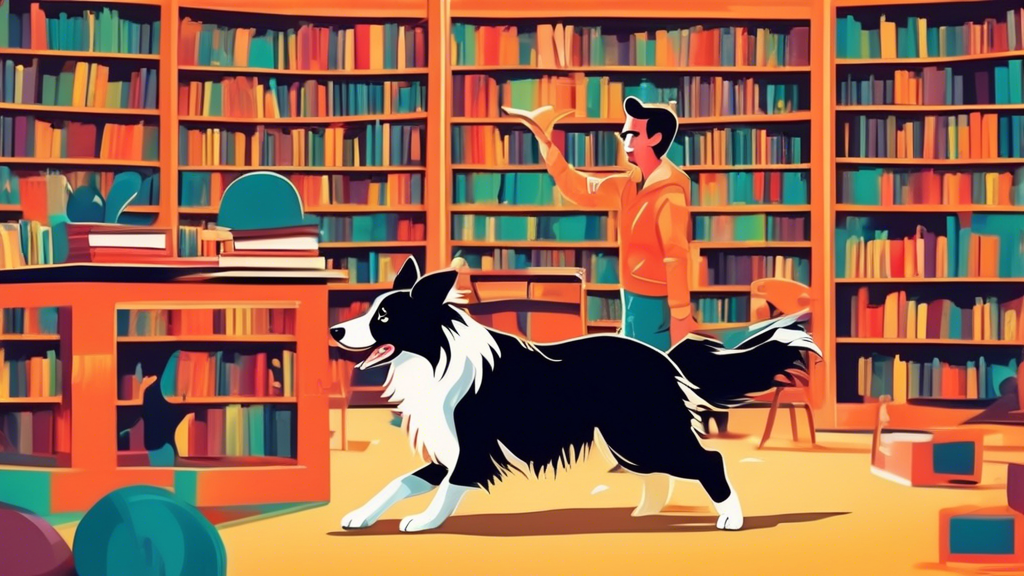
Dog Training at Home: Building a Well-Behaved Companion
Many dog owners wish their furry friends had better manners, whether it's walking nicely on a leash, coming when called, or simply not jumping on guests. While a live demonstration at a library can be a great way to see techniques in action, you can absolutely start building a well-behaved dog right in your own home. This guide focuses on practical, positive reinforcement methods you can use every day to teach your dog essential skills and address common challenges.
Understanding How Dogs Learn
Dogs learn through association and consequences. When a behavior leads to something good (like a treat or praise), they're more likely to repeat it. This is called positive reinforcement. Conversely, if a behavior leads to nothing or something unpleasant, they're less likely to do it again. Consistency is key – if you reward a “sit” sometimes but not others, your dog will get confused.
- Keep it positive: Focus on rewarding desired behaviors rather than punishing unwanted ones. Punishment can create fear and anxiety, damaging your bond.
- Short, frequent sessions: Dogs, especially puppies, have short attention spans. Aim for 5-10 minute training sessions, 2-3 times a day, rather than one long, overwhelming session.
- High-value rewards: What does your dog love most? Small pieces of cooked chicken, cheese, or hot dogs are often more motivating than dry kibble for training.
- Timing is everything: Deliver the reward within 1-2 seconds of your dog performing the correct behavior so they clearly understand what they’re being rewarded for.
- Be patient: Learning takes time. Some dogs pick things up faster than others. Celebrate small successes!
Essential Basic Commands
These commands form the foundation of good manners and safety. Start in a quiet environment with minimal distractions.
“Sit”
- Hold a high-value treat near your dog’s nose.
- Slowly move the treat up and back over their head, towards their tail. As their nose follows the treat, their rear end will naturally lower into a sit.
- The instant their rear touches the ground, say “Yes!” or “Good sit!” and give them the treat.
- Repeat 5-10 times. Once they’re reliably sitting with the lure, start saying “Sit” just before you move the treat.
- Gradually fade the lure, using only the verbal command and a hand signal (like an open palm moving upwards).
“Stay”
Teach “stay” after your dog reliably knows “sit.”
- Have your dog sit. Say “Stay” and hold your open palm towards them.
- Take one small step back. If they remain sitting, immediately step back to them, say “Yes!” and reward.
- Gradually increase your distance and the duration of the stay. Always return to your dog to reward them; don’t call them to you initially, as this breaks the “stay.”
- Once they can stay for a few seconds while you’re a few feet away, you can introduce a release word like “Okay!” or “Free!” and then reward them for coming to you.
“Come” (Recall)
This is a critical safety command. Practice in a safe, enclosed area.
- Start close to your dog. Say their name, then “Come!” in an excited, happy tone.
- As they move towards you, praise them enthusiastically.
- When they reach you, immediately reward them with a super high-value treat and lots of praise.
- Practice in different rooms, then in your yard, gradually increasing distractions. Never use “Come!” to scold your dog or do something they dislike (like a bath), or they’ll learn to avoid it.
Loose-Leash Walking
Pulling on the leash is a common frustration. The goal is for your dog to walk beside you without tension on the leash.
- Equipment: A front-clip harness (like a Freedom Harness or Easy Walk Harness) can be very helpful for dogs who pull, as it redirects their momentum. Avoid retractable leashes, which teach dogs that pulling extends their range.
- Start indoors: Practice walking a few steps, and if the leash is loose, mark with a “Yes!” and reward. If your dog pulls, stop dead in your tracks. Only move forward when the leash slackens.
- Change direction: If your dog pulls ahead, calmly change direction. This teaches them to pay attention to you.
- Reward frequently: Especially in the beginning, reward every few steps they walk nicely beside you.
Addressing Common Behavioral Challenges
Jumping on People
Dogs jump for attention. The key is to teach them that four paws on the floor gets attention, while jumping gets none.
- Ignore the jump: When your dog jumps, turn your back, cross your arms, and completely ignore them. No eye contact, no talking.
- Reward calm: The instant all four paws are on the floor, turn back, praise them calmly, and give them a treat or gentle pet.
- Practice with guests: Ask visitors to follow the same rules. If your dog is very excitable, have them on a leash when guests arrive, and reward them for sitting calmly.
Excessive Barking
Barking can be for many reasons: attention, boredom, fear, territoriality. Identify the cause first.
- Attention barking: If your dog barks at you for attention, ignore it (as with jumping). Reward silence.
- Boredom barking: Ensure your dog gets enough physical exercise (daily walks, fetch) and mental stimulation (puzzle toys, enrichment activities, short training sessions).
- Alarm barking: If they bark at things outside, teach a “quiet” command. Let them bark 1-2 times, then say “Quiet!” and immediately put a high-value treat in front of their nose. As they stop barking to sniff the treat, reward.
- Consult a professional: If barking is severe or accompanied by aggression, consult a certified professional dog trainer or veterinary behaviorist.
Chewing
Chewing is a natural dog behavior. The goal is to redirect it to appropriate items.
- Provide appropriate chew toys: Offer a variety of safe, durable chew toys (Kongs, Nylabones, Benebones) that are more appealing than your furniture. Rotate them to keep them interesting.
- Supervise: When you can’t supervise, confine your dog to a safe, dog-proofed area (crate, playpen, or a room with nothing valuable to chew).
- Bitter sprays: For inappropriate items, you can try applying a bitter apple spray (available at pet stores) to make them less appealing.
- Puppy teething: For puppies, provide plenty of appropriate chew toys and frozen treats (like a frozen Kong stuffed with peanut butter) to soothe their gums.
Socialization and Enrichment
Beyond commands, a well-adjusted dog is also well-socialized and mentally stimulated.
- Puppy socialization: For puppies aged 8-16 weeks, expose them to a wide variety of sights, sounds, people, and friendly, vaccinated dogs in a positive, controlled way. Puppy classes are excellent for this.
- Adult dog socialization: Continue to expose adult dogs to new experiences. Ensure interactions with other dogs are positive; if your dog is fearful or reactive, seek guidance from a professional trainer.
- Mental enrichment: Dogs need more than just physical exercise. Puzzle toys, scent games (like hiding treats around the house), and learning new tricks keep their minds engaged and prevent boredom-related behaviors.
When to Seek Professional Help
While this guide covers many common issues, some behaviors are complex or deeply ingrained. Don’t hesitate to reach out to a certified professional dog trainer (CPDT-KA) or a veterinary behaviorist if you are struggling with:
- Aggression towards people or other animals.
- Severe anxiety (separation anxiety, phobias).
- House soiling issues that aren't medically related.
- Any behavior that makes you feel unsafe or overwhelmed.
A good trainer can assess your dog’s individual needs and create a tailored training plan, often working with you in your home environment. Remember, training is an ongoing journey that strengthens the bond between you and your dog, leading to a happier, more harmonious life together.
Written and reviewed by the Doggie General editorial team. This article is general information for dog owners, not veterinary advice. If your dog is unwell or you are worried about its health or behavior, contact your veterinarian. When you buy through links on this site we may earn a commission.