
Water Safety for Your Dog: Preventing Emergencies and What to Do If They're Stranded
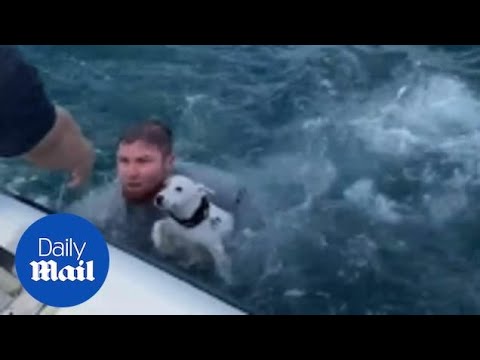
Seeing a dog rescued from a dangerous situation, especially in water, is always a relief. While we hope our dogs never face such a terrifying ordeal, understanding water safety is crucial for every dog owner. This guide will help you prevent water-related emergencies and prepare you for what to do if your dog ever gets into trouble in or near water, whether it's a lake, ocean, pool, or even a fast-flowing river.
Assess Your Dog's Swimming Ability
Not all dogs are natural swimmers, despite popular belief. Breeds like Labrador Retrievers, Golden Retrievers, and Portuguese Water Dogs are often strong swimmers due to their breeding. However, brachycephalic (short-nosed) breeds like Bulldogs, Pugs, and Boxers often struggle due to their respiratory structure and heavy heads, which make it difficult to keep their noses above water. Dogs with short legs and long bodies, like Dachshunds and Basset Hounds, also face challenges. Even if your dog seems to enjoy splashing, true swimming ability involves endurance and confidence.
- Introduce water gradually: Never throw a dog into water. Start in shallow, calm water where they can easily stand. Use positive reinforcement with treats and praise.
- Observe their comfort: Watch for signs of stress like frantic paddling, wide eyes, or trying to climb out immediately. If they're stressed, back off and try again another day, or consider a dog life vest.
- Practice in controlled environments: A kiddie pool or a calm, shallow pond is ideal for initial exposure.
Essential Water Safety Gear
Just like you wouldn't send a child into deep water without proper gear, your dog needs protection too.
- Dog Life Vest: This is the single most important piece of equipment for any dog near water, especially for those who aren't strong swimmers or if you're boating. Look for a vest with a strong handle on the back for easy retrieval, adjustable straps for a snug fit, and bright colors for visibility. Brands like Ruffwear, Hurtta, and EzyDog offer excellent options. Ensure it fits correctly – it shouldn't restrict movement but also shouldn't be loose enough to slip off.
- Long Leash (non-retractable): When near open water, especially rivers or oceans with currents, a long training leash (15-30 ft) can give your dog some freedom while allowing you to maintain control and prevent them from wandering into dangerous areas.
- First Aid Kit: Always have a basic dog first aid kit on hand. Include items for cuts, scrapes, and potential ear infections (from water exposure).
Preventing Water Emergencies
Prevention is always the best approach. Here are key strategies:
Supervision is Non-Negotiable
Never leave your dog unsupervised near any body of water, even if they're strong swimmers. A sudden cramp, exhaustion, or an unexpected current can turn a fun swim into a crisis in seconds. This applies to backyard pools, lakes, rivers, and especially the ocean.
Fencing and Barriers
If you have a pool, ensure it's securely fenced with a self-latching gate that your dog cannot open or jump over. For dogs under 25 lb (11 kg), even a low fence might be a jumping hazard. Consider a pool alarm that detects movement in the water if your dog is prone to sneaking out.
Beware of Currents and Tides
Lakes and rivers can have surprisingly strong currents, even near the shore. The ocean has powerful tides, undertows, and rip currents that can quickly sweep a dog out to sea. Always check local conditions and warnings. If you wouldn't swim there, your dog shouldn't either.
Watch for Exhaustion and Hypothermia
Dogs can get tired quickly in water. Look for signs like slow paddling, head dipping low, or struggling to stay afloat. Take frequent breaks. In colder water, hypothermia is a risk. Even on a warm day, prolonged exposure to cold water can drop a dog's body temperature. Shivering, lethargy, and pale gums are warning signs. Bring towels and a warm blanket for after-swim care.
Avoid Contaminated Water
Blue-green algae (cyanobacteria) in stagnant ponds or lakes can be highly toxic and even fatal if ingested. Other risks include parasites like Giardia, leptospirosis, and chemical runoff. When in doubt, keep your dog out. Always provide fresh drinking water to discourage them from drinking from the body of water.
What to Do If Your Dog is Stranded or in Distress in Water
Even with the best prevention, accidents can happen. Knowing how to react quickly and safely is vital.
Prioritize Your Safety First
It's natural to want to rush in, but a panicked dog can inadvertently injure you or pull you under. If the water is rough, deep, or has strong currents, or if your dog is large and struggling violently, do not enter the water unless you are confident in your own swimming abilities and have a life vest yourself. Many human drownings occur during rescue attempts.
Call for Help Immediately
If your dog is in a dangerous situation you cannot safely handle, call emergency services (e.g., Coast Guard, local fire department, animal control) immediately. Provide your exact location and describe the situation clearly.
Use a Reach or Throw Device
If your dog is within reach, use a long stick, a boat hook, a rope, or even a long leash to try and guide them to safety. If they are further out but within throwing distance, a life ring, a buoyant cushion, or even a sturdy, empty plastic bottle can provide something for them to hold onto and help them stay afloat until further help arrives or they can be pulled in.
If You Must Enter the Water (With Caution)
If you are a strong swimmer, the water is calm and shallow enough, and you have a life vest on (and ideally one for your dog), you can attempt a rescue. Approach your dog calmly, speaking to them in a reassuring voice. Grab the handle of their life vest if they have one. If not, try to support them under their chest and guide them towards safety. Avoid letting them climb on your head or shoulders, which can push you under.
After the Rescue: Post-Water Care
- Check for Injuries: Once safely out of the water, thoroughly check your dog for any cuts, scrapes, or signs of hypothermia (shivering, lethargy).
- Dry and Warm: Towel-dry your dog thoroughly, especially their ears, to prevent ear infections. If they are cold, wrap them in a warm blanket.
- Fresh Water: Offer fresh drinking water to rehydrate them and discourage them from drinking more potentially contaminated water.
- Contact Your Vet: Even if your dog seems fine, it's wise to contact your veterinarian, especially if they ingested a lot of water, seem lethargic, or are coughing. They can advise on potential risks like secondary drowning (water in the lungs that causes issues hours later) or exposure to toxins.
By taking proactive steps and knowing how to react in an emergency, you can ensure your dog enjoys water safely and avoid the terrifying experience of a water rescue.
Written and reviewed by the Doggie General editorial team. This article is general information for dog owners, not veterinary advice. If your dog is unwell or you are worried about its health or behavior, contact your veterinarian. When you buy through links on this site we may earn a commission.