Introduction
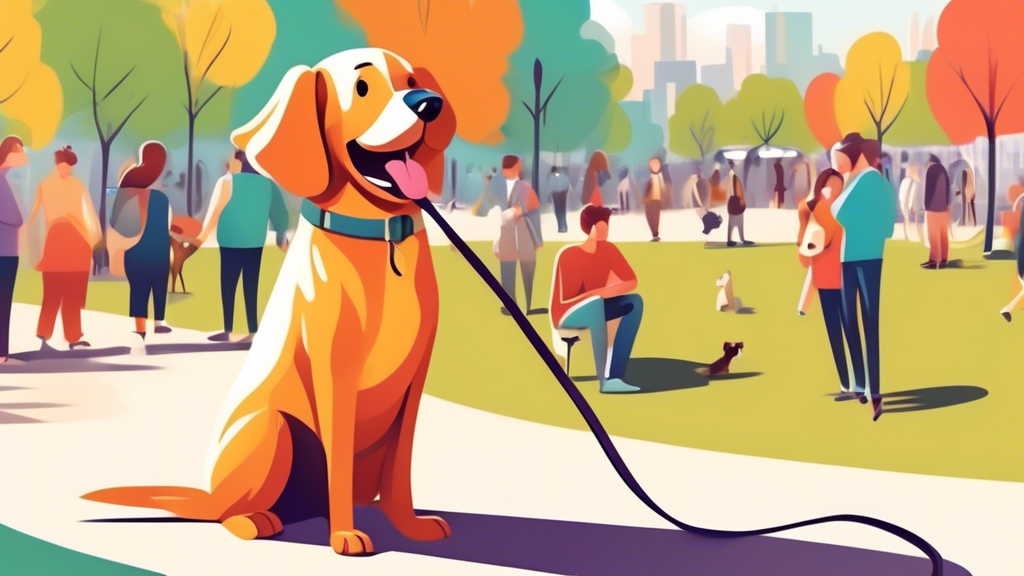
Sharing our lives with dogs is an incredibly rewarding experience. These furry companions bring us joy, laughter, and unconditional love. However, responsible dog ownership extends beyond our homes. When we venture into the world with our canine companions, it’s our duty to ensure their behavior is safe and respectful in public spaces. Mastering public etiquette with your dog is not just about avoiding embarrassing situations; it’s about fostering harmony between dogs, their owners, and the wider community.
1. Rock-Solid Recall: The Foundation of Freedom and Safety
Imagine this: you’re at the park, your dog spots a squirrel, and in a flash, they’re off! A reliable recall – the ability to call your dog back to you swiftly and consistently – is non-negotiable for off-leash adventures and crucial in on-leash situations. A solid recall prevents your dog from bounding up to strangers uninvited, potentially causing fear or even tripping someone. For instance, a Labrador Retriever, known for its friendly but sometimes exuberant nature, benefits immensely from a strong recall to prevent them from greeting every passerby with a full-body wag.
Building an Unbeatable Recall:
- Start Early, Stay Consistent: Begin recall training in a low-distraction environment like your home. For a 10-week-old puppy, start in a quiet room. Use a word or phrase like "come" or "here" in an upbeat, encouraging tone. Reward your dog instantly with a high-value treat (like small pieces of cooked chicken or cheese) or praise when they return to you. Practice 5-10 times, 2-3 times a day.
- Gradually Increase Distractions: As your dog masters the recall inside, gradually introduce more distractions. Move to a fenced yard, then a quiet park with minimal other dogs or people. A good progression might be from your living room, to your backyard, to a local park during off-peak hours (e.g., 7 AM on a weekday). Each success builds their confidence.
- Keep it Positive: Never punish your dog when they return to you, even if it took longer than desired. Arriving should always be a positive experience. If your dog takes 30 seconds to come back, celebrate their return as if they were instantaneous.
- Seek Professional Guidance: If you’re struggling with recall, especially with a high-prey-drive breed like a Jack Russell Terrier or a Beagle, don’t hesitate to seek help from a certified dog trainer. They can assess your dog’s individual needs and tailor a training plan. For more insights on refining your dog's training, check out Expert Trainer Ben Randall's Guide to Refreshing Your Older Dog's Training.
2. Leash Manners: Mastering the Walk Without the Pull
A walk shouldn’t feel like an arm workout! Leash pulling isn’t just uncomfortable for you; it can be stressful for your dog and pose a risk to others. A 70 lb (32 kg) German Shepherd pulling constantly can easily injure a handler, while a 15 lb (7 kg) Miniature Poodle pulling can still cause discomfort and make walks less enjoyable for both of you.
Achieving Leash-Walking Harmony:
- Choose the Right Equipment: A well-fitted harness (like a front-clip harness) or a flat buckle collar is essential. Avoid choke chains or prong collars, as these can cause pain and injury and damage the trust between you and your dog. Ensure the harness fits snugly but allows two fingers to slip underneath.
- Reward Polite Walking: Whenever your dog walks by your side without pulling for even a few steps, shower them with praise, treats (e.g., a pea-sized piece of cheese), or a quick game – whatever motivates them best! For a food-motivated breed like a Golden Retriever, frequent small treats work wonders.
- Be Proactive, Not Reactive: Instead of yanking on the leash when your dog pulls, try changing direction abruptly (the "tree" method) or stopping completely. This teaches them that pulling gets them nowhere. For example, if your 4-month-old puppy lunges towards a bush, immediately stop walking until the leash slackens, then continue.
- Practice Makes Progress: Consistent training is key. Dedicate short, frequent sessions (5-10 minutes) to leash-walking practice, gradually increasing the difficulty of the environment. Start in your driveway, then a quiet street, and eventually a bustling park.
- Consider Professional Help: A dog trainer can provide personalized guidance and address any specific pulling challenges you might be facing. Many communities have local dog training clubs, like the one showcased in ‘Brotherhood of Dog Lovers’: Dog Training Club Showcased to Public, which can offer group classes and support.
3. No Means No: Setting Boundaries for Polite Interactions
Not everyone is a dog person – and that’s perfectly okay! Teaching your dog to respect personal space and understand "no" is crucial for safe and considerate interactions. This is especially important for exuberant breeds like Boxers or Dalmatians who might jump to greet.
Teaching Boundaries with Kindness:
- Early Socialization: Expose your dog to various people, dogs, and environments from a young age (between 8 and 16 weeks is critical) to help them develop appropriate social skills. This includes positive interactions with calm adults, children, and other vaccinated, friendly dogs.
- Read Body Language: Pay close attention to both your dog’s body language (e.g., tucked tail, flattened ears, lip licking) and the signals of other people or dogs (e.g., turning away, stiff posture). Look for signs of stress or discomfort and intervene as needed. If you see a child approaching your dog too quickly, gently step in front of your dog.
- Respect No from Others: If someone expresses discomfort or declines interaction with your dog, respect their wishes. Not all dogs are comfortable with being petted or approached, and not all people feel at ease around dogs. Politely say, "He's in training right now," or "She's not keen on strangers."
- Advocate for Your Dog: Be your dog’s advocate. If someone is interacting with your dog in a way that makes you or your dog uncomfortable (e.g., a stranger trying to force pets on a shy Border Collie), politely but firmly remove your dog from the situation. Say, "Please don't pet him, he's a bit nervous."
4. Leave It Command: Preventing Unwanted Scavenging
A dropped ice cream cone, a discarded sandwich wrapper – these tempting treasures can be hard for a dog to resist. A reliable "leave it" command is essential for preventing your dog from ingesting something potentially harmful, like a chicken bone or a toxic plant. This command can literally be a lifesaver, especially for curious breeds like Beagles or Dachshunds.
Mastering the Leave It:
- Start Simple: Hold a high-value treat (like a piece of hot dog) in your closed fist and present it to your dog. When they try to get it, say "leave it."
- Reward Disengagement: The moment your dog backs away from your hand or looks away, say "yes!" and give them a different, equally high-value treat from your other hand. Repeat this 10-15 times in a session.
- Increase the Challenge: Gradually increase the difficulty by placing the treat on the floor, then covering it with your hand. Once they consistently "leave it" with your hand covering, try placing it on the floor uncovered for a second, then rewarding. Practice with more enticing treats (e.g., a dropped French fry) or practicing in more distracting environments (e.g., a park bench).
- Generalize the Command: Practice "leave it" with various objects, both indoors and outdoors, to solidify the command in different contexts. This includes dropped food, interesting leaves, or even another dog's toy. For a detailed guide, see Dog trainer reveals how to teach the ‘leave it’ cue.
5. Scooping Poop: A Simple Act with a Big Impact
Let’s be honest; this one goes without saying! Picking up after your dog isn’t just about maintaining the aesthetics of our shared spaces; it’s about public health and basic courtesy. Dog waste can contain harmful bacteria and parasites, posing risks to other animals and even humans.
Making it a Habit:
- Be Prepared: Always carry poop bags with you whenever you’re out with your dog. A good rule of thumb is to carry at least 3-4 bags for a typical 30-minute walk, especially for larger dogs like a Great Dane or a Saint Bernard who produce more waste. There are many convenient options available, from biodegradable bags to dispensers that attach to your leash.
- Dispose of it Properly: Once you’ve scooped, dispose of the bag in a designated trash can. Never leave bags on the ground, even if you intend to pick them up later – they are easily forgotten and become litter.
- Lead by Example: Your responsible actions can inspire others to do the same. A clean park is a welcoming park for everyone, including other dog owners.
Conclusion: Enjoying the World Together, Responsibly
Mastering public etiquette with your dog is a journey, not a destination. There will be moments of success and times when you need to revisit training concepts. Remember, consistency, patience, and a positive approach are key. By investing in your dog’s training and advocating for their well-being, you’re not just shaping their behavior; you’re strengthening the bond you share and ensuring that you can both enjoy the world together, safely and respectfully.
Written and reviewed by the Doggie General editorial team. This article is general information for dog owners, not veterinary advice. If your dog is unwell or you are worried about its health or behavior, contact your veterinarian. When you buy through links on this site we may earn a commission.