
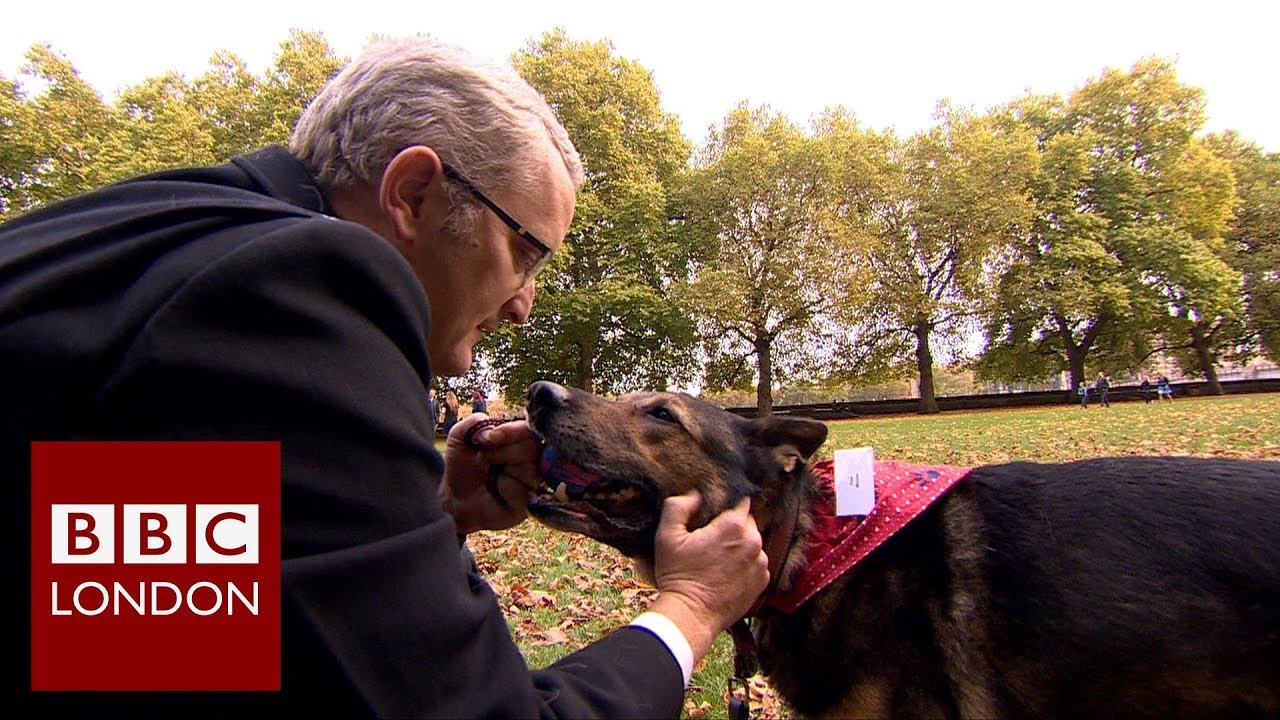
German Shepherds: Courageous Companions and How to Nurture Their Bravery
German Shepherds are renowned for their intelligence, loyalty, and, yes, their bravery. From police and military work to search and rescue and even protecting their families at home, these dogs consistently demonstrate remarkable courage. But what does “bravery” really mean for a dog, and how can you, as an owner, understand and nurture this incredible trait in your own German Shepherd?
True bravery in a German Shepherd isn't just about aggression or fearlessness. It's about a dog's willingness to act despite perceived danger, often driven by their strong protective instincts and deep bond with their human family. It’s a combination of genetics, careful socialization, and consistent positive reinforcement training.
Understanding Your German Shepherd's Natural Instincts
German Shepherds were originally bred for herding sheep, a job that required them to be alert, intelligent, and confident. These traits naturally translated into their later roles as working dogs. They possess a strong “prey drive” (the instinct to chase and capture moving objects) and a “protective drive” (the instinct to guard their territory and family). When these drives are channeled constructively, they contribute to a dog's brave and reliable nature.
- Alertness: German Shepherds are naturally watchful. They often notice changes in their environment long before you do. This isn't always a sign of aggression, but rather their inherent role as a sentinel.
- Territoriality: They often feel a strong sense of ownership over their home and yard. This can manifest as barking at strangers or unusual sounds, which is a form of protective behavior.
- Loyalty: Their deep bond with their family is a cornerstone of their bravery. They will often put themselves between their loved ones and perceived threats.
Socialization: Building a Confident Foundation
A truly brave dog isn't one that's aggressive or anxious. A confident dog is a brave dog. The single most important thing you can do to foster a balanced and brave German Shepherd is early and ongoing socialization. This means exposing your puppy to a wide variety of sights, sounds, people, and other dogs in a positive and controlled manner.
Start as early as 8-16 weeks, once your vet gives the go-ahead regarding vaccinations. Aim for:
- Diverse People: Introduce your puppy to men, women, children, people in hats, people with glasses, people using mobility aids, and people of different ethnicities. Always ensure these interactions are positive, with treats and gentle praise.
- Different Environments: Take your puppy to parks, pet-friendly stores, quiet streets, and even just sit outside a coffee shop. Let them observe the world calmly.
- Various Sounds: Expose them to common household noises (vacuum cleaners, blenders), traffic sounds, and even loud but distant noises (construction, sirens) from a safe distance.
- Other Dogs: Enroll in a well-run puppy class that emphasizes positive play. Introduce them to calm, vaccinated adult dogs.
The goal isn't to make your German Shepherd love everyone, but to teach them that most new experiences are not threatening. A well-socialized dog is less likely to react fearfully or aggressively to novel situations, which is a key component of true bravery.
Training for Confidence and Control
Consistent, positive reinforcement training builds a strong bond between you and your German Shepherd and gives them the confidence of knowing what's expected of them. A dog that understands and trusts its owner is more likely to act bravely and appropriately in challenging situations.
- Basic Obedience: Commands like “sit,” “stay,” “come,” and “down” are crucial. They provide a framework for communication and control. Practice these daily in various environments.
- Leash Manners: A German Shepherd that pulls on the leash can be difficult to manage and may react out of frustration or fear. Teach a loose-leash walk using treats and praise.
- “Leave It” and “Drop It”: These commands are vital for safety and control, preventing your dog from engaging with potentially dangerous objects or situations.
- Boundary Training: Teach your German Shepherd where they are allowed and not allowed, both inside and outside the home. This reinforces your leadership and their understanding of their territory.
- Advanced Training (Optional): Once your dog masters basic obedience, consider activities like agility, obedience trials, or even protection sports (under expert guidance). These activities channel their drives and intelligence in a structured, positive way.
Never use harsh punishment or fear-based training methods. These can damage your dog's confidence, erode trust, and potentially lead to fear-aggression, which is the opposite of true bravery.
Providing Enrichment and a Sense of Purpose
German Shepherds are highly intelligent and need mental and physical stimulation to thrive. A bored or under-exercised German Shepherd can develop behavioral problems, including anxiety or destructive tendencies, which undermine their confidence.
- Daily Exercise: Aim for at least 60-90 minutes of vigorous exercise daily for an adult German Shepherd. This could include fast-paced walks, running, fetch, or swimming.
- Mental Stimulation: Puzzle toys, scent work games, and training sessions keep their minds active. Even 15-20 minutes of dedicated mental work can be as tiring as a long walk.
- Chew Toys: Provide durable chew toys to satisfy their natural urge to chew and help relieve stress.
- Consistent Routine: Dogs thrive on routine. Knowing when to expect meals, walks, and training sessions helps them feel secure and confident.
When to Seek Professional Help
If your German Shepherd displays excessive fear, aggression, or anxiety that you can't manage with socialization and training, it's crucial to consult with a certified professional dog trainer or a veterinary behaviorist. These professionals can help identify the root cause of the behavior and develop a tailored plan to address it safely and effectively.
Remember, nurturing bravery in your German Shepherd is a journey of building trust, confidence, and understanding. With consistent effort, positive training, and plenty of love, your German Shepherd can become the courageous, loyal, and well-adjusted companion they are meant to be.
Written and reviewed by the Doggie General editorial team. This article is general information for dog owners, not veterinary advice. If your dog is unwell or you are worried about its health or behavior, contact your veterinarian. When you buy through links on this site we may earn a commission.