
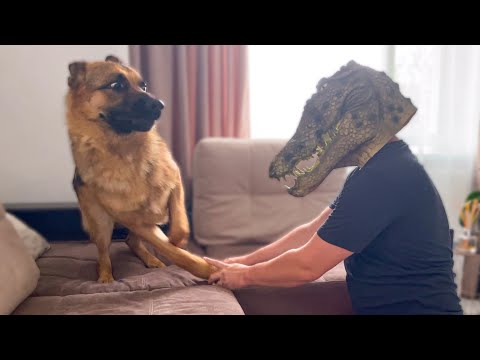
German Shepherd Prank: Understanding Your Dog's Playful Side
When you hear “German Shepherd prank,” you might picture a clever dog hiding your slippers or pretending to be asleep to avoid a walk. While these scenarios can be amusing, the reality of a German Shepherd’s playful “pranks” often stems from their intelligence, energy, and strong bond with their owners. Understanding why your German Shepherd does what they do, especially when it seems like they’re being mischievous, is key to a happy and well-adjusted dog.
Why Do German Shepherds Seem to “Prank” Their Owners?
German Shepherds are renowned for their intelligence, problem-solving abilities, and high energy levels. What might look like a “prank” to us is often a combination of these traits:
- Boredom and Under-Stimulation: A German Shepherd needs significant mental and physical exercise. If they’re not getting enough, they’ll find their own entertainment. This could manifest as chewing inappropriate items, digging in the yard, or “stealing” your belongings to get your attention. A young German Shepherd puppy, say 8-12 weeks old, needs structured play and training sessions several times a day. An adult German Shepherd (1-7 years old) typically requires at least 60-90 minutes of vigorous exercise daily, broken into multiple sessions, plus mental games.
- Attention-Seeking: German Shepherds thrive on interaction with their family. If they feel ignored, even for a short period, they might engage in behaviors that are guaranteed to get a reaction. This could be nudging your hand off the keyboard, dropping a toy at your feet repeatedly, or even a playful nip at your clothing.
- Instinctual Behaviors: Many “pranks” are rooted in their natural instincts. For example, “herding” small children or other pets by nipping at their heels is a strong instinct for many German Shepherds. Burying toys or treats is another natural behavior, even if it means digging up your prize-winning petunias.
- Learning and Testing Boundaries: Like intelligent children, German Shepherds constantly test what they can get away with. If a certain behavior (like jumping on the couch when you’re not looking) occasionally gets a reward (like a quick pet or even just a chase), they’ll repeat it.
- Play Drive: German Shepherds have a strong play drive. They enjoy interactive games, and sometimes their idea of fun involves a bit of playful roughhousing or a game of keep-away with your socks.
Common German Shepherd “Pranks” and What They Mean
Here are some typical behaviors that might seem like pranks, along with their underlying reasons:
The “Disappearing Act” of Your Belongings
Your German Shepherd might “steal” your keys, remote control, or a shoe and parade around with it, or even hide it. This is almost always an attention-seeking behavior or a form of self-entertainment due to boredom. They’ve learned that taking your item gets your immediate focus.
- Solution: Ensure your dog has plenty of appropriate enrichment toys, especially puzzle toys that dispense treats. Increase their mental stimulation with training sessions (even 10-15 minutes, 2-3 times a day). When they take an item, calmly trade it for a high-value treat or a favorite toy, rather than chasing them, which can reinforce the game.
The “Surprise Attack” of Digging
You let your German Shepherd out, and moments later, you find a new crater in your lawn or garden. Digging is a natural instinct for many dogs, especially those with a strong prey drive or those seeking cooler ground. For a German Shepherd, it can also be a sign of boredom or excess energy.
- Solution: Provide a designated digging area (like a sandpit) and encourage its use with hidden toys. Increase exercise and mental stimulation. If digging is due to heat, ensure they have access to shade and fresh water.
The “Accidental” Knock-Over
A wagging tail can be a powerful force! Your German Shepherd might accidentally knock over a lamp, a drink, or even a small child. While it seems clumsy, it often comes from their enthusiasm and sometimes a lack of body awareness, especially in younger, larger dogs (e.g., a 6-month-old male German Shepherd weighing 60-70 lb).
- Solution: Teach spatial awareness and impulse control. Practice commands like “stay” and “place.” Work on polite greetings, teaching them to sit rather than jump when people approach. Manage their environment by moving fragile items out of tail-wagging range.
The “Playful Nudge” That Becomes a Push
Your German Shepherd might nudge you with their nose or paw, or even lean heavily against you. This is often a bid for attention or affection. Sometimes, it can escalate if not properly addressed, especially with a large dog that weighs 70-90 lb (32-41 kg) for a male or 50-70 lb (23-32 kg) for a female.
- Solution: Acknowledge their bids for attention when they are calm. If they nudge too hard, turn away or stand up, removing the attention. Reward calm behavior with praise and gentle petting. Teach a “off” command for when they are too pushy.
Preventing and Redirecting Unwanted “Pranks”
The best way to manage these behaviors is to address the underlying needs of your German Shepherd:
- Consistent Exercise: Daily walks, runs, fetch, or even swimming. Aim for at least 60-90 minutes of vigorous activity for an adult dog. For a 1-year-old German Shepherd, this might mean a 30-minute brisk walk in the morning, a 20-minute fetch session at midday, and another 30-minute walk in the evening.
- Mental Stimulation: German Shepherds need to use their brains. Incorporate obedience training, puzzle toys, scent work, or even advanced tricks. Even 15-minute training sessions daily can make a huge difference.
- Clear Rules and Boundaries: Be consistent with what is allowed and what is not. If jumping on the couch is forbidden, it must always be forbidden, not just when you’re watching.
- Positive Reinforcement: Reward desired behaviors immediately and enthusiastically. If your German Shepherd settles calmly by your feet instead of nudging, offer praise and a small treat.
- Safe and Engaging Environment: Provide a variety of appropriate chew toys and interactive toys. Rotate them regularly to keep them interesting.
- Professional Guidance: If you’re struggling with persistent or escalating behaviors, consult a certified professional dog trainer or a veterinary behaviorist. They can help you understand the root cause and develop a tailored plan.
Your German Shepherd isn't trying to be malicious; they are simply communicating their needs or acting on their instincts. By understanding their motivations and providing appropriate outlets for their energy and intelligence, you can turn those “pranks” into positive interactions and strengthen your bond.
Written and reviewed by the Doggie General editorial team. This article is general information for dog owners, not veterinary advice. If your dog is unwell or you are worried about its health or behavior, contact your veterinarian. When you buy through links on this site we may earn a commission.