
How Much Space Does a Labrador Need?
Labrador Retrievers, with their playful personalities and boundless energy, are one of the most popular dog breeds globally. Their friendly nature and intelligence make them fantastic family pets. However, before you welcome a Labrador into your home, it’s crucial to understand their spatial needs to ensure their happiness and well-being.
Understanding a Labrador’s Needs
While Labs are adaptable dogs, they thrive in environments that cater to their inherent needs. These needs are rooted in their breed history and natural instincts. Here’s a breakdown:
1. Exercise and Activity:
Originally bred as working dogs, Labradors possess significant energy reserves. They were bred to retrieve fishing nets, haul carts, and assist hunters for hours on end. This innate drive for activity hasn’t diminished in modern Labs. Consequently, they require ample opportunities to expend their energy. For example, a healthy adult Labrador, typically weighing between 55-80 lbs (25-36 kg), needs at least 60-90 minutes of vigorous exercise daily, split into two or more sessions. This could include a brisk walk, a game of fetch in a park, or swimming. For a deeper dive into their activity requirements, check out our guide on How Much Exercise Does a Labrador Need a Day: Daily Requirements.
2. Mental Stimulation:
Beyond physical exercise, Labradors are intelligent creatures who crave mental stimulation. A bored Labrador can quickly become a destructive Labrador, potentially chewing furniture, digging in the yard, or excessive barking. Engaging their minds with activities such as daily training sessions (even 10-15 minutes of "sit," "stay," and "come" can make a difference), puzzle toys like KONGs filled with peanut butter, and interactive games like "hide and seek" with their favorite squeaky toy is crucial for a happy and well-adjusted pup. Consider introducing a Daily Dog Brain Game to keep them sharp.
3. Companionship:
Labradors are highly social animals who thrive on companionship. They form strong bonds with their human families and often experience separation anxiety when left alone for extended periods, sometimes leading to behaviors like incessant whining or destructive chewing. Their social nature emphasizes the need for a home where they’ll receive ample attention and interaction. For more on this, read How Much Attention Does a Labrador Need: Meeting Their Needs.
Factors Influencing Space Requirements
The amount of space a Labrador needs isn’t solely determined by square footage. Several factors come into play:
1. Age:
A Labrador puppy’s spatial needs differ significantly from an adult’s. Puppies, from 8 weeks to 6 months old, while smaller (an 8-week-old might weigh 12-18 lbs / 5-8 kg), have bursts of energy and require constant supervision. Their smaller bladders also necessitate more frequent potty breaks (every 2-3 hours for a 12-week-old), making a smaller, confined area within a larger home more manageable. For instance, a 4x4 foot (1.2x1.2 meter) puppy playpen can be ideal for supervised indoor play and rest. Adult Labradors (typically 1-7 years old) are larger and require more room to stretch out and move comfortably, especially when playing indoors.
2. Energy Levels:
Labradors, like people, have individual personalities. Some, particularly those from working lines, are naturally more energetic and might need closer to 90 minutes of intense activity daily, while others from show lines might be content with 60 minutes of moderate activity. Understanding your Labrador’s energy levels is crucial in determining the amount of space they need to expend their energy effectively. Observe your dog: does he pace restlessly after a short walk, or is he content to nap? This will inform your exercise routine.
3. Outdoor Access:
Access to a securely fenced yard significantly impacts a Labrador’s indoor spatial requirements. A spacious yard, ideally at least 1,000-2,000 square feet (90-180 square meters) for an adult Labrador, provides an outlet for running, playing fetch with a tennis ball, and expending pent-up energy, reducing the pressure on indoor space. However, a yard doesn’t replace structured walks and playtime with you. A 6-foot (1.8-meter) high fence is recommended for most Labs to prevent escapes, especially if they are highly motivated by squirrels or other distractions.
Minimum Space Recommendations
While no strict rules dictate the exact square footage for a Labrador, guidelines exist based on their needs:
Apartments:
Labradors can adapt to apartment living under the right conditions. A one-bedroom apartment (e.g., 600-800 sq ft / 55-75 sq m) may suffice for a single Labrador if the owner is committed to providing ample outdoor time and mental stimulation. This means at least two long walks (30-45 minutes each) per day, plus shorter potty breaks, and dedicated indoor play sessions. However, larger apartments with more living space (e.g., 1,000+ sq ft / 90+ sq m) are generally more suitable, especially for a larger male Labrador weighing 70-80 lbs (32-36 kg). The key is to ensure the Labrador receives sufficient exercise and mental stimulation outside the apartment, as well as a comfortable, dedicated space indoors for rest.
Houses:
Houses with yards are generally ideal for Labradors. A securely fenced yard, as mentioned, allows them the freedom to run and play without constant supervision. Even with a yard, Labradors still need structured walks and playtime with their owners. A house with at least 1,500 square feet (140 square meters) of indoor living space allows an adult Labrador to move freely, stretch out, and have their own designated areas without feeling cramped. For instance, a 6-month-old Labrador puppy, still growing rapidly, will benefit from more space to zoom around indoors when the weather is bad.
Creating a Labrador-Friendly Environment
Providing adequate space goes beyond mere square footage. It’s about creating an environment that caters to a Labrador’s physical and mental well-being:
1. Designated Spaces:
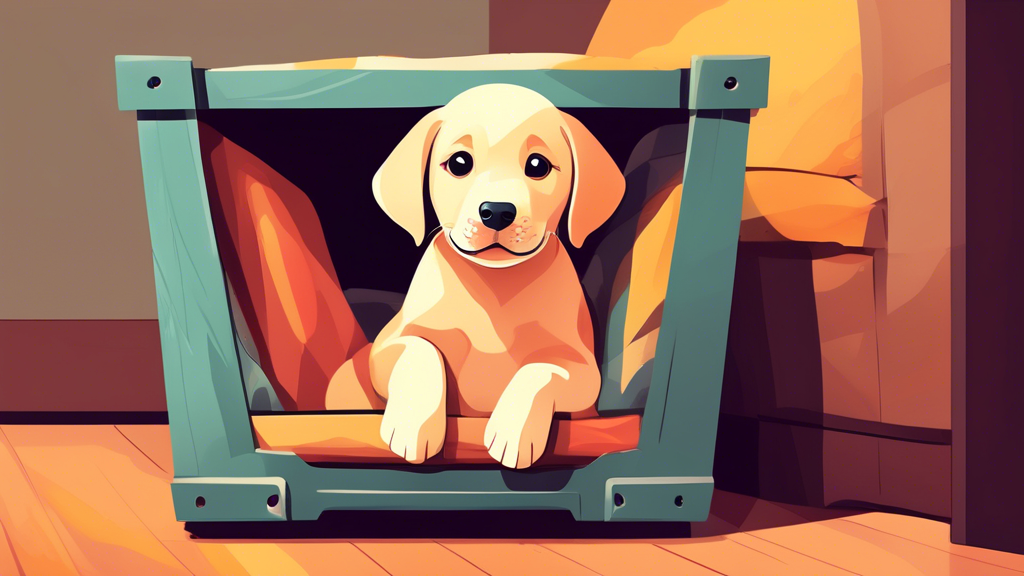
Create specific areas within your home for your Labrador, such as a comfy bed (e.g., a large orthopedic dog bed, 40x30 inches / 100x75 cm, in a quiet corner of the living room), a designated eating area (perhaps in the kitchen with non-slip bowls), and a play zone (a clear area in a family room). This provides them with a sense of security and belonging within your home. For puppies, a crate of appropriate size (e.g., 42-inch / 107 cm for an adult Lab) can serve as their den and aid in potty training.
2. Mental Enrichment:
Invest in puzzle toys, interactive feeders (like a slow-feeder bowl or a KONG Wobbler), and engage your Labrador in daily training sessions. These activities challenge their minds, prevent boredom, and curb destructive behaviors. For example, teaching a new trick like "shake a paw" or "roll over" for 5-10 minutes a day can be as tiring as a short walk for their brain. Rotate toys regularly to keep them novel and exciting.
3. Outdoor Time:
Whether it’s a securely fenced yard, regular walks in the park, or trips to a dog park, ensure your Labrador receives ample outdoor time to explore, play, and socialize. This means at least 60-90 minutes of active outdoor time daily for an adult, rain or shine. Consider enrolling in a basic obedience class at a local dog training facility for structured outdoor activity and socialization.
4. Social Interaction:
Labradors thrive on companionship. Make time for daily interactions, playtime, and cuddles. If you’re away for long hours (e.g., 8-10 hours for a typical workday), consider hiring a dog walker for a midday break or enrolling your Labrador in doggy daycare a few days a week to prevent loneliness and boredom. Even 15-20 minutes of dedicated one-on-one playtime, like tug-of-war or fetch, can significantly boost their happiness.
Conclusion:
Determining how much space a Labrador needs is a nuanced consideration that extends beyond simply measuring square footage. By understanding their innate needs, energy levels, and providing a stimulating environment enriched with physical activity and mental challenges, you can create a loving and fulfilling home for your Labrador companion, regardless of your living situation. Remember, a happy Labrador is an active Labrador, and a well-exercised Labrador is a well-behaved Labrador.
Written and reviewed by the Doggie General editorial team. This article is general information for dog owners, not veterinary advice. If your dog is unwell or you are worried about its health or behavior, contact your veterinarian. When you buy through links on this site we may earn a commission.