
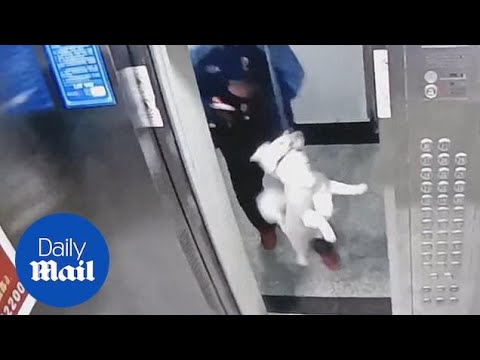
Elevator Safety for Dogs: Preventing Accidents and Staying Prepared
The story of a dog whose leash got caught in elevator doors, thankfully rescued by a quick-thinking workman, is a stark reminder for all dog owners. Elevators, while convenient, present unique hazards for our canine companions. Understanding these risks and knowing how to prevent them can keep your dog safe and give you peace of mind.
The Hidden Dangers of Elevators for Dogs
Elevators move quickly, and their doors can close with surprising force. For a dog on a leash, this combination can be incredibly dangerous. Here’s why:
- Leash Entrapment: This is the most common and terrifying scenario. If you or your dog are not fully inside or outside the elevator when the doors close, the leash can get caught, leaving your dog stranded or pulled. This can happen with any type of leash, but retractable leashes can be particularly risky due to their length and the potential for slack.
- Paw and Tail Injuries: Even if the leash isn't caught, a dog's paw or tail can be pinched or crushed by closing doors if they are not fully clear. This is especially true for smaller dogs like Chihuahuas or Dachshunds, or dogs with long tails like Greyhounds or Labrador Retrievers.
- Sudden Movement and Noise: The abrupt stop-and-go motion and the whirring or clunking sounds of an elevator can startle even a calm dog. A frightened dog might try to bolt, increasing the risk of leash entanglement or injury.
- Overcrowding and Stress: A small, enclosed space with strangers can be stressful for many dogs, leading to anxiety, fear, or even aggression. This stress can make them less predictable and harder to manage.
Preventative Measures: Your Dog's Elevator Safety Checklist
Prevention is always the best approach. By following these steps, you can significantly reduce the risk of an elevator accident:
1. Shorten the Leash and Keep Your Dog Close
Before you even approach the elevator, shorten your dog's leash to just a few inches from their collar or harness. This gives you maximum control and ensures your dog stays right by your side. A 4-foot (1.2-meter) standard leash is generally easier to manage than a 6-foot (1.8-meter) one in tight spaces. Avoid using retractable leashes in or near elevators entirely, as they offer less control and increase the risk of slack getting caught.
2. Enter and Exit First (or at the Same Time)
Always step into the elevator first, pulling your dog in immediately behind you. When exiting, step out first, and then guide your dog out. This ensures you are always between your dog and the closing doors. For very large dogs, like a Great Dane or a Mastiff, you might need to enter and exit almost simultaneously, ensuring their entire body clears the threshold.
3. Confirm Your Dog is Fully In or Out
Before the doors close, take a quick glance down to visually confirm that your dog’s entire body, including their tail, is fully inside or fully outside the elevator car. Don't rely solely on feel. This is especially important for dogs with long bodies or tails, such as a Basset Hound or an Irish Setter.
4. Use a Sturdy Collar or Harness
Ensure your dog is wearing a well-fitting, secure collar or harness that they cannot slip out of. A flat buckle collar or a front-clip harness is generally suitable. Avoid choke chains or prong collars in this context, as a sudden jolt could cause injury.
5. Practice "Sit" and "Stay"
A reliable "Sit" and "Stay" command can be invaluable. Practice these commands in various environments, including near elevators (when they are not busy), so your dog learns to remain calm and still when instructed. Reward them with a small, high-value treat like a piece of cooked chicken or cheese when they comply.
6. Be Aware of Your Surroundings
Pay attention to other people, especially children, who might rush into or out of the elevator. Keep your dog close to your leg to prevent accidental bumps or tangles with others.
7. Consider the Stairs
For shorter distances (1-3 floors) or if your dog is anxious, consider taking the stairs. It’s good exercise for both of you, and completely eliminates elevator risks. This is a great option for healthy adult dogs like a Border Collie or a Jack Russell Terrier. For very young puppies (under 16 weeks) or senior dogs with joint issues, stairs might also present a challenge, so weigh the options carefully.
What to Do in an Emergency: If the Worst Happens
While prevention is key, it's crucial to know what to do if a leash does get caught. These situations are rare, but quick thinking can save a life.
1. Stay Calm and Act Quickly
Panic will make it harder to react effectively. Take a deep breath and assess the situation.
2. Look for the Emergency Stop Button
Many elevators have an emergency stop button, often marked with a red triangle or the word "STOP." Press it immediately to halt the elevator's movement. This is your first line of defense.
3. Free the Leash
- If you have a quick-release leash: Some leashes have a buckle that allows for rapid detachment. If yours does, unclip it immediately.
- If you have a sharp object (unlikely but possible): A small, sharp knife or a strong pair of scissors could cut the leash. This is a last resort and should only be attempted if safe to do so without injuring yourself or your dog.
- If you can pull the dog back: If only a small portion of the leash is caught and your dog is small (e.g., under 15 lb / 7 kg), you might be able to quickly pull them back into the elevator car. However, this is risky if the elevator is already moving.
4. Alert Others and Seek Help
Shout for help, press the emergency call button inside the elevator, or bang on the doors to attract attention. If there are other people around, they might be able to assist. The workman in the news story was able to intervene because he was present and observant.
5. Check Your Dog for Injuries
Once the immediate danger is over, thoroughly check your dog for any physical injuries, even if they seem fine. Look for scrapes, bruises, limping, or signs of distress. Even a minor incident can cause internal injuries or significant psychological trauma. Contact your veterinarian immediately if you notice any signs of injury or behavioral changes, such as excessive panting, trembling, or withdrawal. You can also use our Dog Symptom Checker to help.
Training for Elevator Confidence
Some dogs are naturally anxious in elevators. You can help them build confidence with positive reinforcement:
- Start Slow: On a quiet day, approach the elevator doors. Reward your dog with a treat and praise for simply standing calmly near them.
- Practice Door Openings: When the doors open, reward calm behavior. Don't go in yet. Repeat several times.
- Short Rides: Once your dog is comfortable with the doors, try a short ride, perhaps just one floor up and down. Keep the leash short, give treats, and offer calm reassurance.
- Gradual Exposure: Gradually increase the length of the rides and expose your dog to more people in the elevator, always rewarding calm behavior.
Elevators are a part of modern life, and with careful attention and preparation, you and your dog can navigate them safely. Your vigilance is their best protection.
Written and reviewed by the Doggie General editorial team. This article is general information for dog owners, not veterinary advice. If your dog is unwell or you are worried about its health or behavior, contact your veterinarian. When you buy through links on this site we may earn a commission.