Understanding Board & Train Programs for Your Dog
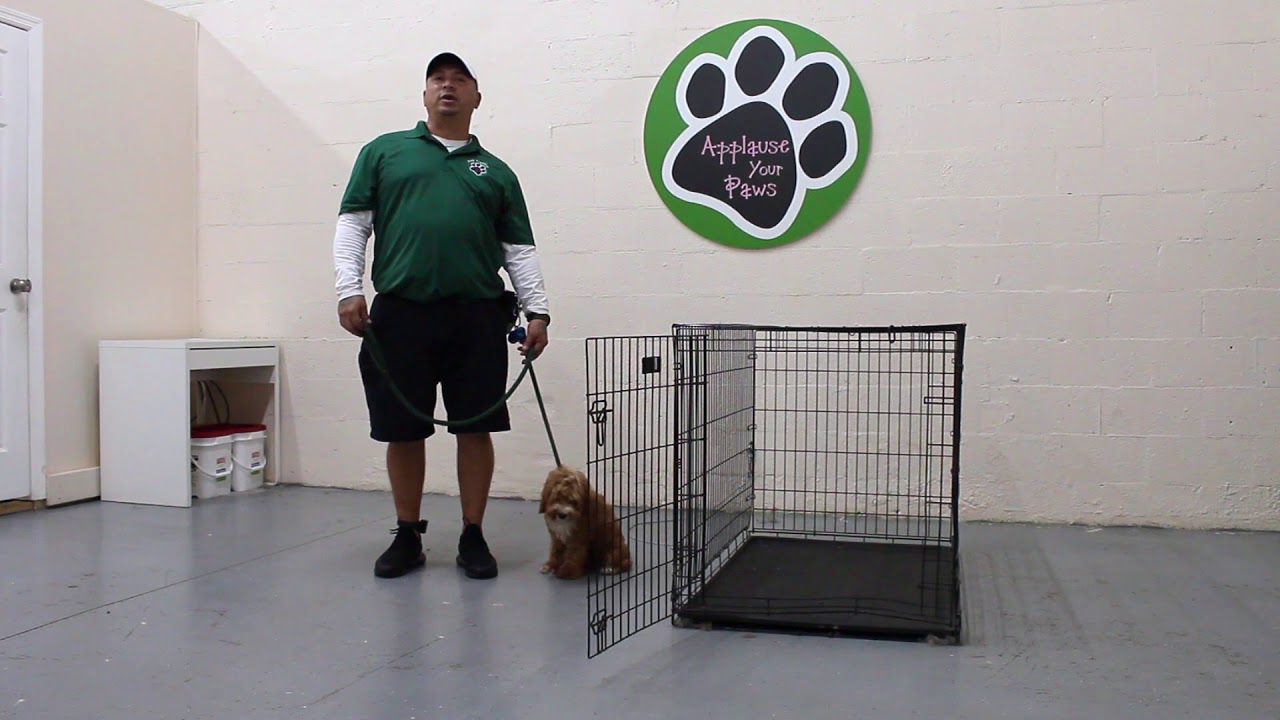
Many dog owners consider a board & train program when they’re looking for significant behavioral changes or a strong foundation in obedience for their dog. These programs involve your dog staying at a trainer's facility for a period, typically a few weeks, to receive intensive, consistent training. While a video showing a dog's transformation can be impressive, it’s important to understand what goes into these programs and whether one is the right fit for your family.
Is Board & Train Right for Your Dog?
Board & train isn't a magic bullet, but it can be highly effective for certain situations. Consider these factors when deciding:
- Specific Behavioral Challenges: If your dog has persistent issues like leash reactivity (barking/lunging at other dogs on walks), excessive jumping on guests, resource guarding (growling over food or toys), or separation anxiety, a concentrated training environment can be beneficial. For example, a 2-year-old Labrador Retriever who pulls relentlessly on the leash, making walks impossible, might thrive with consistent daily practice.
- Foundation Obedience: For puppies or young dogs needing a strong start in basic obedience (sit, stay, come, loose-leash walking), a board & train can establish these behaviors quickly and reliably. A 6-month-old Golden Retriever puppy who hasn't grasped recall, for instance, could benefit from the focused repetition.
- Owner Schedule Constraints: If your work schedule or family commitments make it difficult to dedicate several hours a week to consistent training, a board & train can provide that intensive period. However, remember that you’ll still need to commit to follow-up training once your dog returns home.
- Trainer Expertise: Some complex issues, like severe aggression or fear, require the expertise of a professional trainer in a controlled environment. A board & train facility can offer this level of specialized attention.
What to Look for in a Board & Train Program
Choosing the right program is critical. Not all board & train facilities are created equal. Here’s what to prioritize:
Training Philosophy and Methods
- Positive Reinforcement: Look for trainers who primarily use positive reinforcement (rewards like treats, praise, toys) to encourage desired behaviors. Avoid programs that rely heavily on aversive tools (like prong collars or electronic collars) without thoroughly explaining their ethical use and your comfort level. Ask how they address unwanted behaviors – are they redirecting and rewarding alternatives, or punishing?
- Clear Communication: The trainer should be able to clearly explain their methods, why they work, and what you can expect.
Trainer Qualifications and Experience
- Certifications: While not universally required, certifications from organizations like the Certification Council for Professional Dog Trainers (CCPDT) or the Karen Pryor Academy (KPA) indicate a commitment to professional standards.
- Experience with Your Dog's Breed/Issue: Ask if they have experience working with your dog’s breed or similar behavioral challenges. Training a reactive German Shepherd Dog is different from teaching a Miniature Poodle to sit.
- References and Reviews: Ask for references from past clients and check online reviews.
Facility and Care
- Cleanliness and Safety: The facility should be clean, secure, and well-maintained. Ask about their protocols for emergencies.
- Enrichment and Exercise: Your dog shouldn't be confined to a kennel all day. Inquire about daily exercise routines, playtime, and mental enrichment activities. A good program will include structured walks, play sessions, and puzzle toys.
- Staff-to-Dog Ratio: A lower ratio generally means more individual attention for your dog.
- Veterinary Access: What are their procedures if a dog becomes ill or injured? They should have a clear plan for contacting you and accessing veterinary care.
Program Structure and Follow-Up
- Duration: Programs typically range from 2 to 6 weeks. A 3-week program might be suitable for basic obedience, while a 5-week program could address more complex behavioral issues like severe fear.
- Curriculum: What specific commands or behaviors will they be working on? How will progress be tracked?
- Owner Involvement: A crucial part of any good board & train is the transfer session(s) with you. This is where the trainer teaches you how to maintain and build upon the training your dog received. Expect at least one in-person session, and ideally, follow-up support.
- Cost: Board & train programs can be a significant investment, often ranging from $1,500 to $5,000 or more, depending on duration, location, and trainer expertise. Get a detailed breakdown of costs.
Preparing Your Dog for Board & Train
To ensure your dog gets the most out of the program:
- Health Check: Ensure your dog is up-to-date on all vaccinations (Distemper, Parvovirus, Adenovirus, Rabies, Bordetella) and parasite prevention (flea/tick, heartworm). Provide the trainer with your vet's contact information.
- Medical History: Share any known medical conditions, allergies, or dietary restrictions.
- Food and Comfort Items: Send enough of your dog's regular food for the entire stay, as sudden diet changes can cause stomach upset. Include a familiar blanket or toy to help them settle in.
- Detailed Behavior History: Provide the trainer with a comprehensive overview of your dog’s daily routine, triggers for unwanted behaviors, and what you’ve already tried. The more information they have, the better they can tailor the training.
Your Role After Board & Train
The success of a board & train program ultimately depends on your commitment once your dog returns home. Think of it as a jumpstart, not a complete solution.
- Attend Transfer Sessions: Pay close attention during these sessions. Ask questions and practice with your dog under the trainer's guidance.
- Consistency is Key: Implement the new routines and commands immediately and consistently. If your dog learned to sit before eating, continue that practice every meal.
- Continue Practice: Daily short training sessions (5-10 minutes) are far more effective than infrequent long ones. Practice in different environments to generalize behaviors.
- Seek Follow-Up: Don't hesitate to contact the trainer if you encounter new challenges or need a refresher. Many programs include follow-up support.
- Manage Expectations: Your dog will be a better version of themselves, but they are still a dog. There will be good days and bad days. Continued effort from you will solidify the improvements.
A board & train program can be a valuable investment, transforming your dog’s behavior and strengthening your bond. By doing your research and actively participating in the follow-up, you can ensure a lasting positive change for your canine companion.
Written and reviewed by the Doggie General editorial team. This article is general information for dog owners, not veterinary advice. If your dog is unwell or you are worried about its health or behavior, contact your veterinarian. When you buy through links on this site we may earn a commission.