
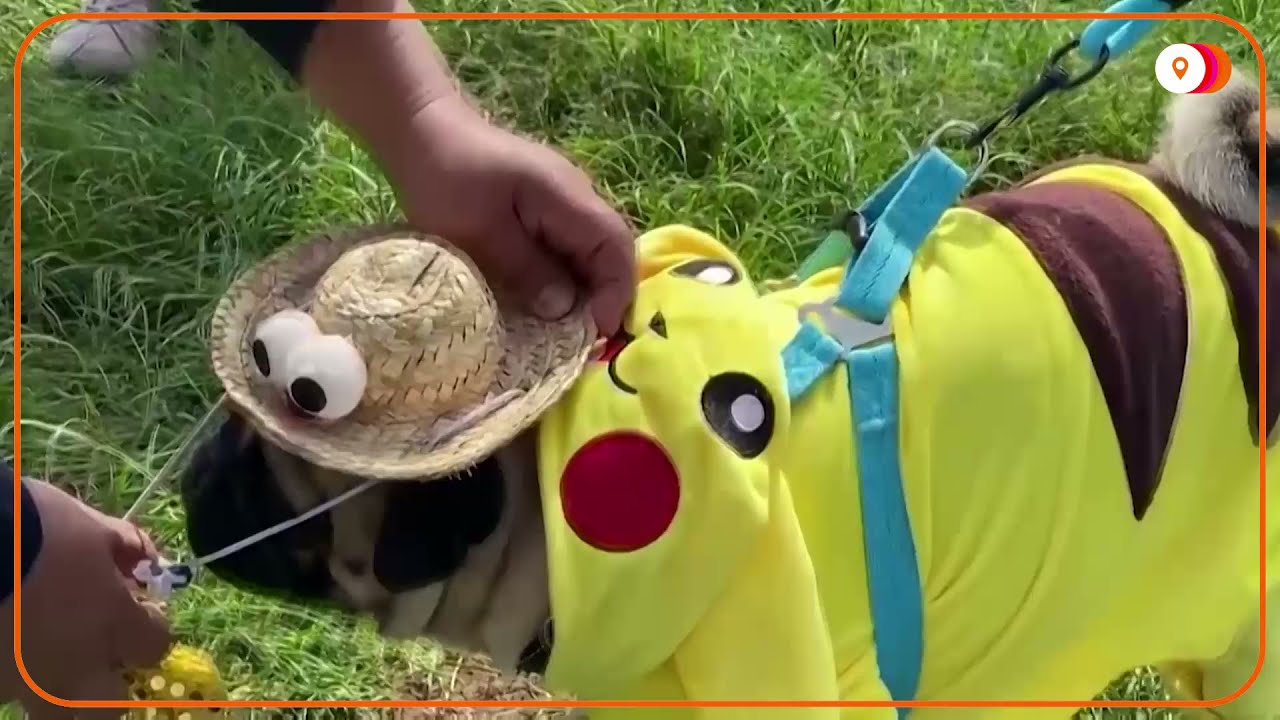
Halloween Fun with Your Dog: A Guide to Safe Costumes and Celebrations
Halloween is a festive time for many families, and including your dog can add to the fun! From adorable costumes to trick-or-treating, there are plenty of ways to celebrate with your canine companion. However, it’s important to prioritize your dog’s safety and comfort above all else. This guide will help you navigate Halloween with your dog, ensuring a happy and stress-free experience for everyone.
Is a Costume Right for Your Dog?
Before you even think about buying or making a costume, consider your dog’s personality and tolerance for wearing clothes. Not all dogs enjoy costumes, and forcing one on them can cause significant stress. Look for these signs:
- Comfort: Does your dog happily wear a winter coat or harness without issue? If so, they might be a good candidate for a costume.
- Body Language: Watch for signs of discomfort like flattened ears, tail tucked between legs, lip licking, yawning, or trying to shake off the costume. These are clear indicators your dog is not enjoying the experience.
- Age and Temperament: A calm, well-socialized adult dog (e.g., a 3-year-old Golden Retriever) is generally more tolerant than a nervous puppy (e.g., a 4-month-old Chihuahua) or an elderly dog with mobility issues (e.g., a 12-year-old Basset Hound with arthritis).
If your dog shows any signs of distress, skip the costume. Their comfort is more important than a cute photo opportunity. You can still involve them in other Halloween activities!
Choosing a Safe and Comfortable Costume
If your dog is a good candidate for a costume, follow these guidelines for selection:
- Prioritize Fit: The costume should not restrict movement, vision, hearing, or breathing. Avoid anything too tight around the neck, chest, or legs. Ensure your dog can walk, sit, lie down, and relieve themselves comfortably. For example, a costume for a 45 lb (20 kg) Australian Shepherd should allow full range of motion.
- Breathable Materials: Opt for lightweight, breathable fabrics like cotton or thin fleece. Avoid heavy, synthetic materials that can cause overheating, especially for dogs with thick coats like a Siberian Husky or Newfoundland.
- No Small, Detachable Parts: Buttons, beads, sequins, or dangling strings can be choking hazards. If the costume has these, ensure they are securely attached or remove them. A curious puppy (e.g., a 6-month-old Beagle) is especially prone to mouthing and swallowing small objects.
- Avoid Irritants: Check for rough seams, scratchy tags, or materials that might irritate your dog's skin. Some dogs, like those with sensitive skin such as a West Highland White Terrier, can develop rashes.
- Visibility: If you plan to be out after dark, choose a costume with reflective elements or add reflective tape for safety.
- Test It Out: Before Halloween night, have your dog wear the costume for short periods (5-10 minutes) around the house. Gradually increase the time if they remain comfortable. Offer treats and praise to create a positive association.
Costumes to Avoid: Anything that covers your dog's face, restricts their tail wagging, or makes noise that might startle them. Remember, a costume is for fun, not for causing anxiety.
Halloween Night Safety Tips for Dogs
Even if your dog isn't wearing a costume, Halloween night presents unique challenges. Keep these safety tips in mind:
Trick-or-Treating at Home
- Secure Your Dog: The constant doorbell ringing and strangers at the door can be stressful for many dogs. Consider putting your dog in a separate room, a crate, or behind a baby gate away from the front door. Provide them with a favorite chew toy or a puzzle feeder to keep them occupied.
- Watch for Escape Artists: With the door opening frequently, there's a higher risk of your dog slipping out. Ensure they are microchipped and wearing an ID tag with up-to-date contact information.
- Candy is NOT for Dogs: Chocolate, especially dark chocolate, is toxic to dogs. Xylitol, an artificial sweetener found in many sugar-free candies and gums, is also extremely dangerous. Keep all candy, wrappers, and decorations out of your dog's reach. Even a small amount of milk chocolate (e.g., a fun-size bar) can cause digestive upset in a 15 lb (7 kg) Terrier, while a larger amount or darker chocolate can be life-threatening.
- Decorations: Keep electrical cords for lights tucked away, and ensure candles or open flames are inaccessible. Plastic decorations can be choking hazards if chewed.
Out and About with Your Dog
- Leash Your Dog: If you decide to take your dog trick-or-treating, keep them on a secure leash at all times. The excitement, strange costumes, and increased pedestrian traffic can be overwhelming. A 6-foot standard leash is generally recommended.
- Visibility is Key: If walking after dark, use a reflective leash, collar, or harness. Consider a light-up collar or a small clip-on light for added visibility to cars and pedestrians.
- Be Mindful of Other Dogs and People: Not everyone is comfortable with dogs, especially dogs in costumes. Be respectful of personal space. Also, be aware that other dogs might react negatively to your dog's costume or the general commotion.
- Limit Exposure: Keep walks short and avoid crowded areas if your dog seems stressed. A 30-minute walk through a quiet neighborhood might be fine for a socialized Labrador Retriever, but a 15-minute walk for a shy Shih Tzu might be too much.
- No Begging for Treats: Instruct children and adults not to give your dog any human candy or treats. Bring your dog's favorite healthy dog treats to reward good behavior.
After the Halloween Festivities
- Check for Injuries: After a busy night, inspect your dog for any scrapes, cuts, or signs of irritation from their costume or interactions.
- Clean Up: Ensure all candy, wrappers, and decorations are put away securely before letting your dog have free roam of the house again.
- Provide Quiet Time: Your dog might be overstimulated. Offer a quiet, comfortable space for them to relax and decompress.
By planning ahead and prioritizing your dog's well-being, you can ensure Halloween is a fun and safe holiday for every member of your family, including your beloved canine companion.
Written and reviewed by the Doggie General editorial team. This article is general information for dog owners, not veterinary advice. If your dog is unwell or you are worried about its health or behavior, contact your veterinarian. When you buy through links on this site we may earn a commission.