
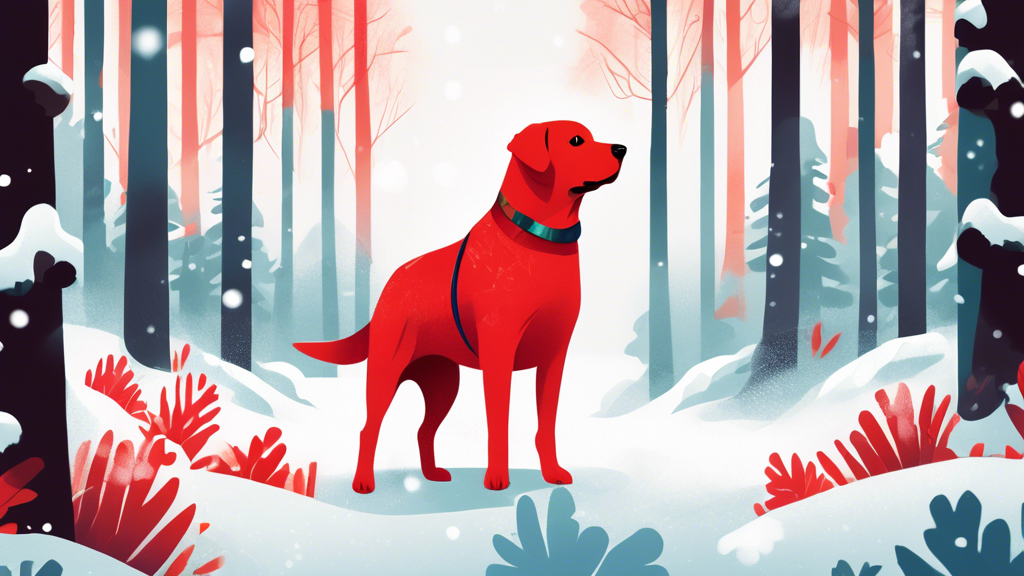
Should a Labrador Retriever Wear a Coat in Winter? Protecting Your Pup in the Cold
Understanding Your Labrador’s Natural Coat
Labrador Retrievers, known for their playful spirit and unwavering loyalty, are also equipped with a double coat designed to withstand chilly temperatures. This double coat is a key factor when considering whether your Labrador needs a coat in winter. Let’s break it down:
- The Top Coat: This layer consists of dense, straight hairs that repel water and provide insulation against the cold. Think of it as a waterproof, wind-resistant jacket, similar to what you'd find on a working retriever in the field.
- The Undercoat: Soft and fluffy, this layer provides excellent insulation, trapping heat close to your dog’s body. Imagine a cozy down jacket. This dense undercoat is particularly prominent in Labs bred for colder climates or working lines.
Factors Influencing Coat Necessity
While their double coat offers considerable protection, several factors can influence whether your Labrador needs an extra layer in winter:
1. Temperature and Climate
This one seems obvious, but it’s crucial. In regions with mild winters, where temperatures rarely drop below 40°F (4°C), your Labrador’s natural coat may suffice. However, when temperatures plummet below freezing (32°F / 0°C), particularly with added windchill, a coat provides an additional layer of warmth. For instance, a 30-minute walk in 20°F (-6°C) weather with a brisk wind can feel much colder to your Lab than a calm 30°F (-1°C) day. This is especially true during extended outdoor activities like a 2-hour hike in snowy conditions.
2. Age and Health
Senior Labradors (typically 8 years and older), puppies (under 6 months), and those with health conditions like arthritis, hypothyroidism, or kidney disease are more susceptible to the cold. For example, a 10-year-old Labrador with hip dysplasia may struggle to generate enough body heat through movement. Their bodies may struggle to regulate temperature effectively, making a coat beneficial, even in moderately cold weather (e.g., 35-40°F / 2-4°C). If you suspect a health issue, consult your veterinarian. You can also use our Dog Symptom Checker for initial guidance, but it's not a substitute for professional medical advice.
3. Coat Thickness and Condition
Just like humans, Labradors can vary in their cold tolerance. Some, like those with a dense, working-line coat, have luxuriously thick fur, while others may have thinner fur. Observe your dog: if they seem particularly chilly, shiver (even slightly) in 45°F (7°C) weather, or hunch their back, a coat is a good idea. A healthy Labrador's coat should feel thick and resilient. If their coat feels sparse, or you can easily see their skin, they might need extra protection. Regular brushing also plays a role, as a matted coat loses its insulating properties, trapping moisture and reducing warmth.
4. Duration of Outdoor Exposure
A quick 5-minute potty break in the backyard versus an hour-long hike in the snow require different considerations. Short trips may not necessitate a coat, especially if your Labrador is active and moving. However, extended exposure to cold, particularly if your dog is less active (e.g., waiting patiently while you ice fish), warrants extra warmth. Consider a coat for any outdoor activity lasting longer than 20-30 minutes when temperatures are below freezing. For more detailed guidance on cold weather care, refer to our article: Does a Labrador Need a Winter Coat: Cold Weather Care.
Choosing the Right Coat for Your Labrador
If you’ve decided a coat is in order, selecting the right one is key to ensuring your Labrador stays comfortable and protected:
1. Fit and Comfort
A well-fitting coat should allow for freedom of movement without restricting your Labrador’s gait. Measure your dog's back length from the base of the neck to the base of the tail, and their chest girth. A coat that's too tight around the chest (e.g., restricting a 28-inch chest to a 26-inch coat) can chafe, while one that's too loose can shift and cause tripping. Ensure it fits snugly but not too tight, allowing for a comfortable range of motion, especially around the shoulders and hind legs.
2. Water Resistance
Labradors love water, even in winter. Opt for a water-resistant or waterproof coat to keep your dog dry during snowy or rainy conditions. Materials like ripstop nylon or treated polyester are excellent choices. This prevents their fur from becoming wet and losing its insulating properties, which can lead to hypothermia.
3. Material and Insulation
Consider the climate and your dog’s activity level. For milder conditions (e.g., 35-45°F / 2-7°C), a fleece lining or a lightweight quilted coat might suffice. In colder regions (below 20°F / -6°C) or for less active dogs, a coat with added insulation, such as synthetic down or thick fleece, will provide extra warmth. Look for coats with a denier rating of 400D or higher for durability.
4. Visibility
Winter days often mean reduced visibility due to shorter daylight hours, snow, or fog. Choose a coat with reflective elements or bright colors (like neon yellow or orange) to enhance your dog’s visibility during evening walks or in low-light conditions, making them safer for both you and passing vehicles.
Signs Your Labrador is Cold
Even with their double coat, Labradors can still get cold. Be attuned to these signs:
- Shivering: One of the most obvious signs of coldness. This can range from subtle tremors to full-body shaking.
- Whining or Whimpering: May indicate discomfort or coldness, especially if they are usually quiet.
- Lifting Paws or Reluctance to Walk: Cold paws can be uncomfortable, and they may try to minimize contact with the ground.
- Curling Up and Tucking Tail: Attempting to conserve body heat by reducing their exposed surface area.
- Hunching or Stiff Posture: A sign they are trying to minimize heat loss.
Beyond the Coat: Additional Winter Care Tips
Beyond providing a coat, here are some additional tips to keep your Labrador happy and healthy throughout winter:
- Paw Protection: Use paw balm (like Musher's Secret) or booties to protect their paw pads from ice, salt, de-icing chemicals, and cold surfaces. Check paws after walks for cracks or irritation.
- Limit Bath Time: Frequent bathing strips away natural oils, reducing coat insulation. If baths are necessary, opt for lukewarm water and ensure thorough drying, especially the undercoat, before going outside.
- Provide Shelter: Ensure your Labrador has access to a warm, dry shelter outdoors (if they spend time outside) and a cozy spot indoors, away from drafts, perhaps with an elevated dog bed and a warm blanket.
- Adjust Exercise: Cold weather can make breathing more difficult, especially for dogs with respiratory issues. Monitor your dog’s energy levels and adjust exercise routines accordingly. A 45-minute brisk walk might be better than a 90-minute run in very cold conditions. Consider indoor games or puzzle toys for mental stimulation on extremely cold days.
- Nutrition: Some active dogs may burn more calories in cold weather to maintain body temperature. Consult your veterinarian about potentially adjusting their food intake. You can use our Dog Feeding Calculator as a starting point, but always consider individual needs and activity levels.
Conclusion: Prioritizing Your Labrador’s Comfort
Ultimately, the decision of whether your Labrador needs a coat in winter comes down to individual factors. Their age, health, coat thickness, and the severity of the weather all play a role. By understanding these factors, observing your dog’s behavior, and providing appropriate protection, you can ensure your furry friend stays warm, comfortable, and safe throughout the colder months. Remember, a happy dog is a warm dog, and providing the right care makes all the difference.
Written and reviewed by the Doggie General editorial team. This article is general information for dog owners, not veterinary advice. If your dog is unwell or you are worried about its health or behavior, contact your veterinarian. When you buy through links on this site we may earn a commission.