
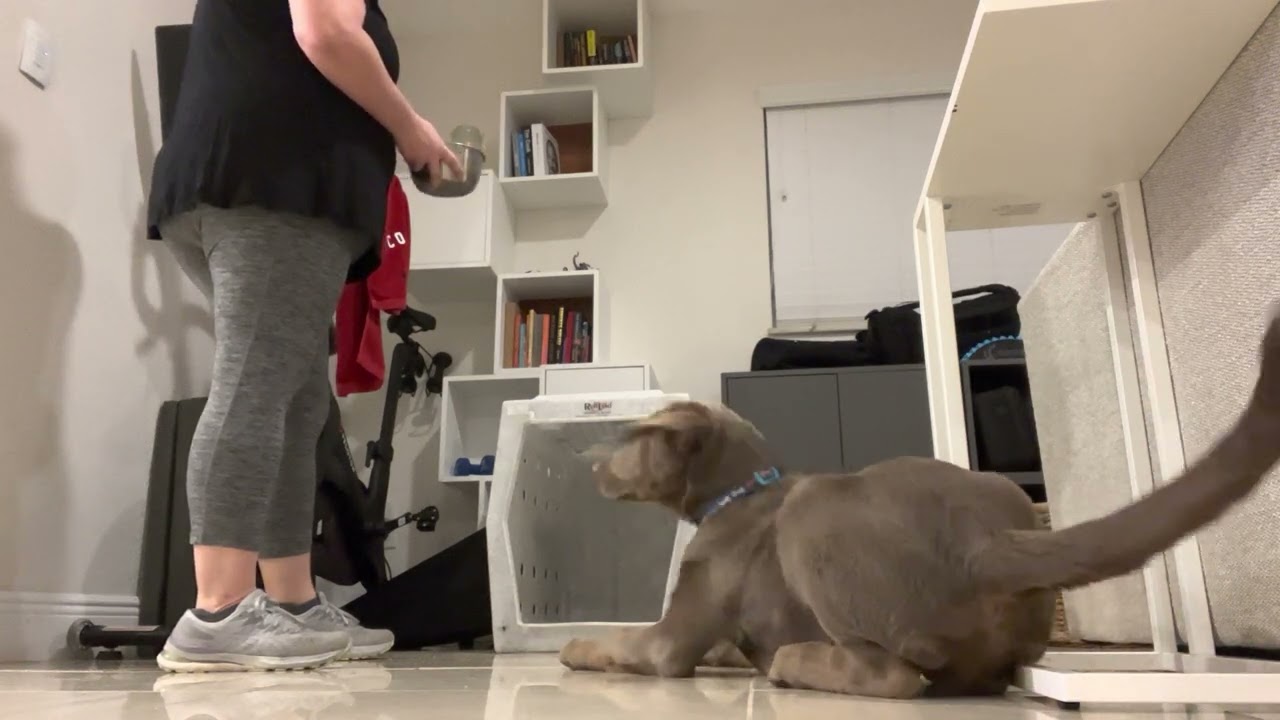
Crate Training Your Silver Labrador in South Florida
Crate training is a fantastic tool for any dog owner, and it’s especially beneficial for active, intelligent breeds like the Labrador Retriever. Whether you’ve just brought home a Silver Labrador puppy in Miami or you’re looking to introduce an older rescue dog to a crate, this guide will walk you through the process, focusing on positive reinforcement and making the crate a safe, comfortable den for your dog.
Why Crate Train Your Labrador?
- House Training: Dogs naturally avoid soiling their sleeping area. A properly sized crate helps tremendously with house training by limiting accidents and establishing a routine.
- Safety and Security: A crate provides a safe space for your dog when you can’t directly supervise them, preventing them from chewing on dangerous items or getting into trouble. It also offers a secure den where they can retreat for peace and quiet.
- Travel: Crate-trained dogs are much easier to transport, whether it’s a trip to the vet, a vacation, or an evacuation during hurricane season in South Florida.
- Behavior Management: Crates can help manage separation anxiety (when introduced correctly), prevent destructive chewing, and provide a calm space during stressful events like thunderstorms.
Choosing the Right Crate for Your Silver Labrador
The right size is crucial. Your Labrador should be able to stand up, turn around, and lie down comfortably without being able to pace excessively. For puppies, you’ll want a crate that can grow with them, often with a divider panel. A full-grown male Silver Labrador typically weighs between 65-80 lb (29-36 kg) and a female between 55-70 lb (25-32 kg), so you'll likely need a large (42-inch) or extra-large (48-inch) crate.
- Wire Crates: These are popular, offer good ventilation, and often come with dividers. They can be folded for travel.
- Plastic Crates (Airline Approved): Good for travel and often feel more den-like. Ventilation is usually through side vents.
- Soft-Sided Crates: Best for already crate-trained dogs for short-term use or travel. Not suitable for puppies or chewers.
Place the crate in a central, family-oriented area of your home, like the living room or bedroom, initially. Avoid isolated areas like the garage or laundry room, especially when starting out.
Introducing Your Labrador to the Crate: The Positive Approach
The goal is for your Silver Labrador to associate the crate with positive experiences, comfort, and safety. Never use the crate as punishment.
Step 1: Make it Inviting
- Place a soft, comfortable bed or blanket inside.
- Toss in some high-value treats (e.g., small pieces of cooked chicken, cheese, or store-bought training treats).
- Leave the crate door open.
- Don't force your dog in. Let them explore at their own pace.
Step 2: Feeding Inside the Crate
- Start by placing your Labrador’s food bowl just inside the crate door.
- Over several meals, gradually move the bowl further back into the crate.
- Once your dog is comfortable eating their entire meal inside, close the door for a few seconds while they eat, then open it immediately.
- Gradually increase the time the door stays closed after they finish eating, but always open it before they show any signs of distress.
Step 3: Short Stays with Rewards
- Once your dog is comfortable eating in the crate, start encouraging them to go in for short periods.
- Toss a treat or a favorite toy into the crate and say a cue like “Crate!” or “Kennel!”
- When they go in, praise them enthusiastically and give another treat.
- Close the door for a few minutes, stay in the room, and then open it.
- Repeat this several times a day, gradually increasing the duration.
- Offer a long-lasting chew toy or a KONG filled with peanut butter (check ingredients for xylitol!) to keep them occupied.
Step 4: Extending the Time and Leaving the Room
- When your Labrador is comfortable staying in the crate for 10-15 minutes with you in the room, begin to leave the room for short periods.
- Start with just a minute or two, then return and calmly let them out.
- Gradually increase the time you are out of sight.
- Don't make a big fuss when you leave or return. This helps prevent separation anxiety.
Step 5: Overnight Stays
For puppies, especially, overnight stays are crucial for house training. Place the crate in your bedroom initially so your puppy can hear and smell you. This provides comfort and allows you to hear if they need to go out during the night.
- Take your puppy out for a final potty break right before bedtime.
- Put them in the crate with a comforting item like a blanket that smells like you.
- If they whine, wait a few minutes to see if they settle. If the whining persists or sounds urgent, take them out immediately for a potty break (no play, just business), then back into the crate.
- As they get older (typically 3-4 months for a Labrador puppy), they’ll be able to hold their bladder longer.
Troubleshooting Common Crate Training Issues
- Whining/Barking: If your Labrador whines, ensure they don't need to go to the bathroom. If not, ignore it. Giving attention to whining reinforces the behavior. Wait for a pause in the noise before letting them out.
- Accidents in the Crate: The crate might be too large, allowing them to soil one end and sleep in the other. Use a divider. Also, ensure they are getting enough potty breaks.
- Fear/Anxiety: If your dog is genuinely terrified, you’ve likely moved too fast. Go back to an earlier step, making the crate a positive, low-pressure experience. Consult a professional Miami dog trainer or behaviorist if anxiety is severe.
- Chewing the Crate: This often indicates boredom or anxiety. Ensure your dog has appropriate chew toys and enough mental and physical exercise before crating.
Important Considerations for South Florida Dog Owners
- Heat and Humidity: Always ensure good ventilation, especially in Miami’s climate. Never leave your dog in a crate in a car, even with windows open, as temperatures can rise rapidly to dangerous levels.
- Hurricane Preparedness: A crate-trained dog is much easier to evacuate. Practice crating regularly so it’s not a new experience during a stressful event.
- Exercise: Labradors are energetic dogs. Ensure your Silver Labrador gets plenty of exercise (at least 60-90 minutes of vigorous activity daily for an adult) before being crated for longer periods. A tired dog is a happy, calm crated dog.
Crate training takes patience and consistency, but the benefits for both you and your Silver Labrador are immense. By following these positive reinforcement steps, you’ll create a secure, comfortable space that your dog will love.
Written and reviewed by the Doggie General editorial team. This article is general information for dog owners, not veterinary advice. If your dog is unwell or you are worried about its health or behavior, contact your veterinarian. When you buy through links on this site we may earn a commission.