
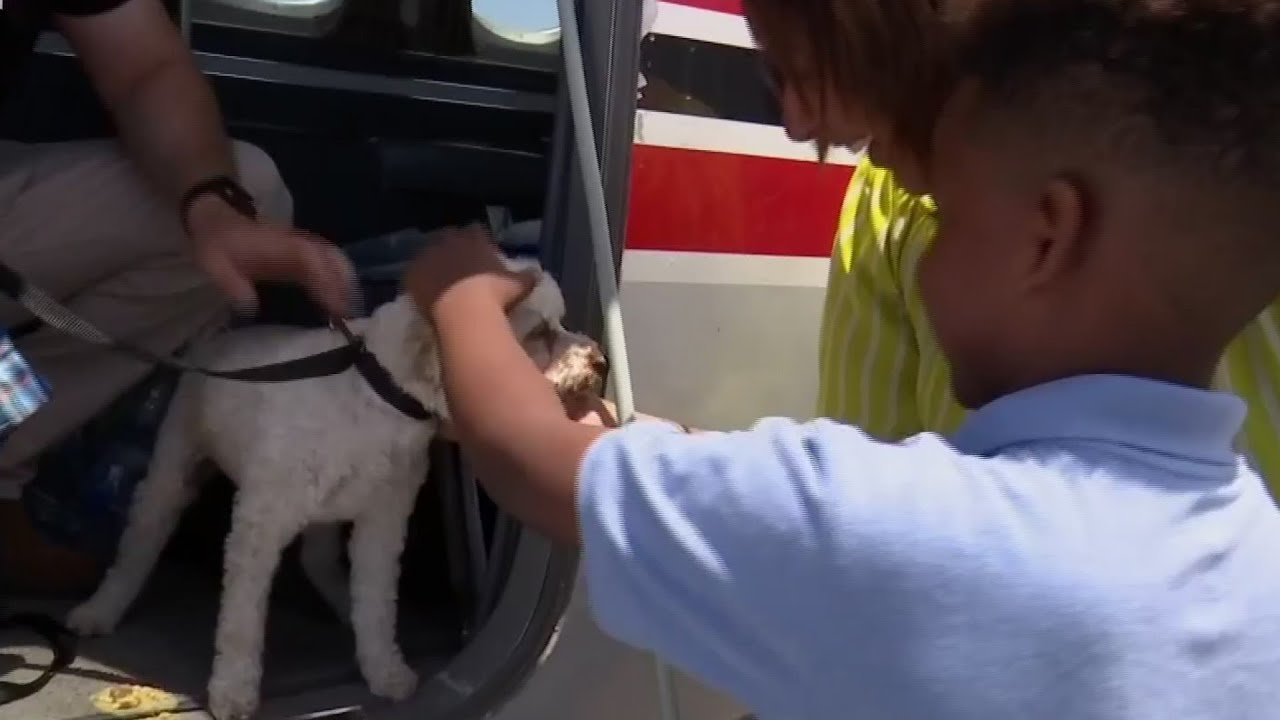
Poodle Adventures: Keeping Your Energetic Pal Happy and Healthy
Poodles, whether Standard, Miniature, or Toy, are known for their intelligence, elegance, and surprisingly athletic nature. While they might look like pampered show dogs, Poodles are active companions who thrive on engagement and adventure. If your Poodle is anything like Spike, always ready for the next big exploration, you'll want to ensure they're well-prepared and cared for. This guide will help you understand how to meet your Poodle's unique needs for a happy, healthy, and adventurous life.
Understanding Your Poodle's Energy Levels
Don't let the fancy haircut fool you; Poodles are working dogs at heart, originally bred for retrieving waterfowl. This means they have significant energy and a keen mind that needs to be stimulated. A bored Poodle can quickly become a destructive Poodle.
- Standard Poodles: These larger Poodles (45-70 lb or 20-32 kg) often require at least 60-90 minutes of vigorous exercise daily. This could be a long walk, a run, swimming, or playing fetch.
- Miniature Poodles: Weighing 15-17 lb (7-8 kg), Miniatures still need 30-60 minutes of active play or brisk walks each day. They love to run and chase.
- Toy Poodles: The smallest Poodles (4-6 lb or 2-3 kg) might seem delicate, but they still need 20-30 minutes of daily activity, like short walks and indoor games.
Beyond physical exercise, Poodles excel in activities that challenge their minds. Consider dog sports like agility, obedience, or even scent work. These activities tap into their natural intelligence and drive, preventing boredom and behavioral issues.
Nutrition for the Adventurous Poodle
An active Poodle needs high-quality fuel. The right diet supports their energy levels, maintains a healthy coat, and keeps their joints strong for all their escapades.
- High-Quality Protein: Look for dog foods where meat (chicken, beef, lamb, fish) is the first ingredient. Protein supports muscle maintenance and repair, crucial for active dogs.
- Healthy Fats: Omega-3 and Omega-6 fatty acids are vital for skin and coat health, reducing inflammation, and supporting brain function. Sources include fish oil, flaxseed, and certain animal fats.
- Appropriate Calorie Intake: The amount of food your Poodle needs will depend on their size, age, activity level, and metabolism. A general guideline for an active adult Poodle might be around 25-30 calories per pound of body weight per day, but always consult the feeding guide on your chosen dog food and adjust based on your dog's body condition.
Body Condition Scoring: Instead of just relying on weight, learn to assess your Poodle's body condition. You should be able to feel their ribs easily without seeing them prominently. When viewed from above, they should have a visible waist. If their ribs are hard to feel or they have no waist, they might be overweight. If ribs are very prominent, they might be underweight. Adjust food portions accordingly and consult your vet if you have concerns.
Grooming for the Trail and Beyond
A Poodle's distinctive coat requires regular attention, especially if they're exploring the great outdoors. Their curly hair can easily pick up burrs, twigs, and dirt, and it mats quickly if neglected.
- Daily Brushing: Even if your Poodle has a short clip, daily brushing with a slicker brush and a metal comb is essential to prevent mats and remove debris. Pay extra attention to areas behind the ears, under the legs, and in the armpits.
- Regular Professional Grooming: Most Poodles need professional grooming every 4-6 weeks to maintain their coat, trim nails, and clean ears. Discuss a practical clip with your groomer if your Poodle is very active outdoors – a shorter, easy-care cut might be best.
- Paw Care: After outdoor adventures, check your Poodle's paws for cuts, thorns, or irritation. Trim the hair between their paw pads to prevent matting and improve traction.
- Ear Cleaning: Poodles are prone to ear infections due to hair growing inside their ear canals. Regular plucking (done by a groomer or vet) and cleaning with a vet-approved ear cleaner can help prevent issues.
Health Considerations for Active Poodles
While generally healthy, Poodles can be prone to certain conditions. Being aware of these can help you keep your adventurous companion in top shape.
- Joint Health: Especially in Standard Poodles, hip dysplasia and elbow dysplasia can occur. Maintaining a healthy weight, providing appropriate exercise, and discussing joint supplements (like glucosamine and chondroitin) with your veterinarian can be beneficial.
- Eye Conditions: Progressive Retinal Atrophy (PRA) and cataracts are seen in Poodles. Regular veterinary check-ups that include eye examinations are important.
- Bloat (Gastric Dilatation-Volvulus - GDV): Standard Poodles, being deep-chested, are at higher risk for bloat, a life-threatening condition where the stomach fills with gas and can twist. Feed smaller, more frequent meals, avoid vigorous exercise an hour before and after eating, and know the signs: unproductive retching, distended abdomen, restlessness, and pain. This is a veterinary emergency.
- Addison's Disease: This is more common in Standard Poodles. Symptoms can be vague and include lethargy, vomiting, diarrhea, and weight loss. If you notice these signs, contact your veterinarian.
Always keep up with your Poodle's regular veterinary check-ups, vaccinations (e.g., Distemper, Parvovirus, Rabies, Leptospirosis if they're often outdoors), and parasite prevention (heartworm, fleas, ticks). Discuss any changes in behavior, appetite, or energy with your vet promptly.
Training and Enrichment for a Well-Adjusted Explorer
A well-trained Poodle is a joy to take on adventures. Their intelligence makes them highly trainable, but also means they need consistent mental stimulation.
- Basic Obedience: Commands like "sit," "stay," "come," and "leave it" are crucial for safety during outings. Practice these in various environments to ensure reliability.
- Leash Manners: Poodles can be strong pullers, especially Standard Poodles. Teach polite leash walking from a young age using positive reinforcement. A front-clip harness can be very helpful.
- Recall: A solid "come" command is vital if you ever let your Poodle off-leash in safe, designated areas. Practice in a fenced yard first, gradually adding distractions.
- Puzzle Toys and Brain Games: Beyond physical exercise, Poodles thrive on mental challenges. Use puzzle toys, teach new tricks, or engage in scent games (hiding treats for them to find) to keep their minds sharp and prevent boredom.
- Socialization: Expose your Poodle to a variety of sights, sounds, people, and other well-behaved dogs from a young age. This helps them become confident and well-adjusted companions ready for any adventure.
By understanding and meeting your Poodle's specific needs for exercise, nutrition, grooming, health, and mental stimulation, you'll ensure they're ready for many happy and healthy journeys by your side.
Written and reviewed by the Doggie General editorial team. This article is general information for dog owners, not veterinary advice. If your dog is unwell or you are worried about its health or behavior, contact your veterinarian. When you buy through links on this site we may earn a commission.