
Helping a Stray Dog: From First Sighting to Forever Home
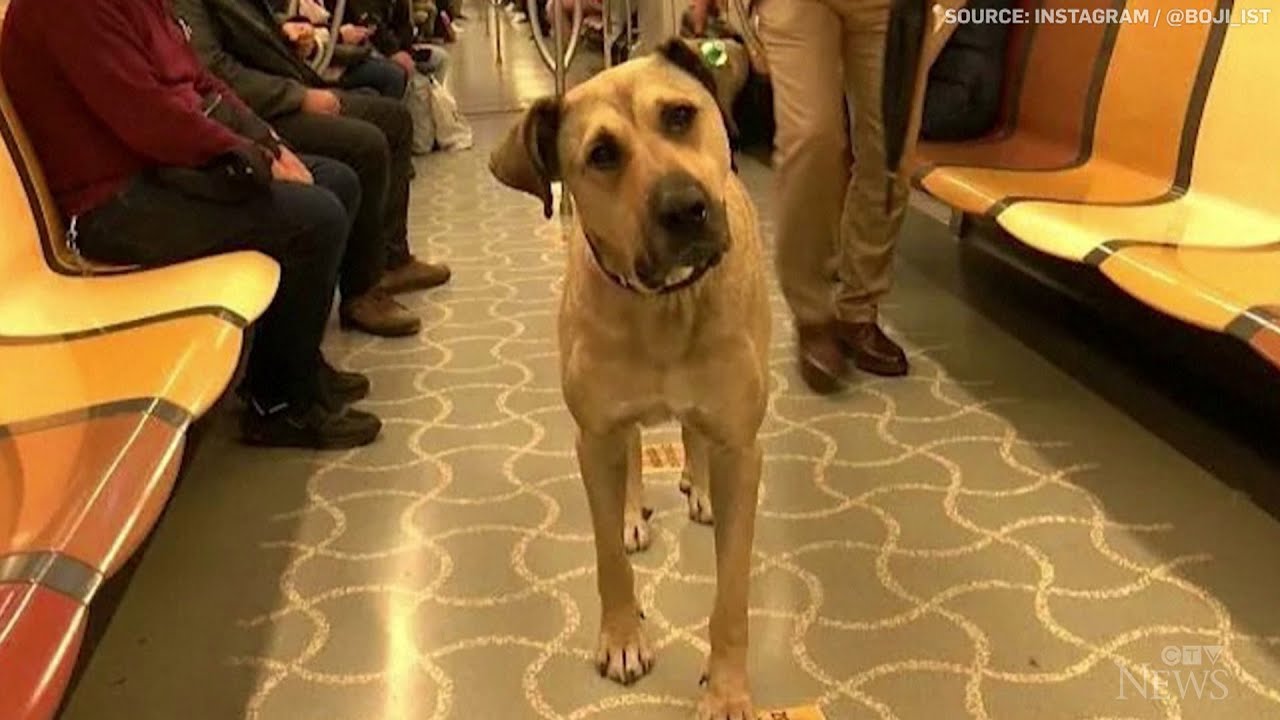
Encountering a stray dog can be a mix of emotions – concern for their well-being, a desire to help, and sometimes, uncertainty about what to do. While the heartwarming story of Istanbul's Metro Dog shows the incredible adaptability of some strays, most need direct human intervention to find safety and a permanent home. This guide walks you through practical steps to help a stray dog, from your initial sighting to ensuring they get the care they need.
Assess the Situation Safely
Your safety and the dog's safety are paramount. Before approaching any stray, take a moment to observe from a distance. Not all strays are friendly or accustomed to human interaction. Some may be scared, injured, or even aggressive due to fear or past trauma.
- Observe their demeanor: Is the dog limping, cowering, growling, or showing signs of aggression (e.g., baring teeth, rigid body, raised hackles)? If so, do not approach.
- Check for identification: From a safe distance, can you see a collar, tags, or a harness? This is the quickest way to identify an owner.
- Note the location and time: This information is crucial for animal control or rescue organizations.
- Consider traffic and hazards: Is the dog near a busy road, construction site, or other dangerous areas?
If the dog appears calm and approachable, you can proceed cautiously. Speak in a soft, reassuring voice. Avoid direct eye contact, which can be perceived as a threat. Crouch down to appear less imposing. Offer the back of your hand for them to sniff, rather than reaching directly for their head.
Immediate Steps to Secure the Dog
Once you've safely assessed the dog, your goal is to secure them to prevent them from running off or getting into further danger. This can be challenging, especially with fearful dogs.
If the Dog is Friendly and Approaches:
- Check for ID: The first thing to do is look for a collar with tags. If you find a phone number, call it immediately. The owner might be frantically searching.
- Leash them if possible: If you have a spare leash in your car or can fashion a temporary one (e.g., with a belt), secure the dog. Even a friendly dog can bolt if startled.
- Contain them safely: If you can, bring the dog into a secure area like your fenced yard, garage, or even your car (if they are calm and you have a crate or seatbelt harness). Do not leave them unsupervised.
If the Dog is Fearful or Skittish:
Do not chase a fearful dog. This will only make them run further and potentially into traffic. Instead, try these tactics:
- Lure with food: Offer small, tasty, smelly treats like cooked chicken, cheese, or hot dogs. Toss them a little distance away from you, then gradually closer as the dog becomes more comfortable.
- Create a safe space: If you have a large crate or a secure, quiet area, you might be able to lure them into it.
- Call for professional help: For very fearful, injured, or aggressive dogs, your best course of action is to contact your local animal control or a reputable animal rescue organization. They have specialized equipment and training to safely capture and handle difficult dogs.
Finding the Owner: Every Avenue Counts
Most stray dogs are simply lost pets whose owners are desperate to find them. Your efforts here are crucial.
Immediate Owner Search:
- Check for microchip: Take the dog to the nearest veterinary clinic or animal shelter. They can scan for a microchip, which contains the owner's contact information. This is often the fastest way to reunite a lost pet.
- Post on local social media groups: Share clear photos of the dog (front and side views), the exact location and time you found them, and any distinguishing features. Look for "Lost Pets [Your City/County]" groups on Facebook.
- Notify local animal control/shelters: Even if you are keeping the dog temporarily, it's vital to file a "found dog" report with all local shelters and animal control agencies. Owners will check these first.
- Create "Found Dog" posters: Print clear posters with a photo, your contact information, and the location found. Post them within a 1-2 mile radius of where you found the dog, especially near busy intersections, dog parks, and community bulletin boards.
- Use online lost pet databases: Websites like Petfinder, PawBoost, and Nextdoor allow you to post found pet notices.
When someone claims the dog, ask for proof of ownership (e.g., photos of the dog, vet records, unique commands the dog knows). This prevents giving the dog to the wrong person.
Temporary Care for a Found Dog
If you're able to temporarily house the dog while searching for their owner or a rescue placement, here's how to provide good care:
Health and Comfort:
- Isolate from your own pets: Keep the stray dog separate from your resident pets for at least 7-10 days to prevent the spread of potential diseases or parasites. A spare room, garage, or even a large crate can work.
- Provide fresh water and food: Offer a bowl of fresh water. For food, start with a bland diet like plain cooked chicken and rice, or a good quality kibble. Avoid overfeeding, especially if the dog appears thin, as this can cause digestive upset.
- Offer a comfortable resting spot: A soft blanket or dog bed will provide comfort.
- Check for injuries/parasites: Gently check for any visible injuries, fleas, ticks, or signs of skin irritation. If you find any, contact a vet for advice.
- Vet check-up: If you plan to keep the dog for more than a few days, or if they appear unwell, a veterinary visit is recommended. They can check for a microchip, assess overall health, and provide necessary vaccinations or deworming.
Behavioral Considerations:
- Be patient: The dog may be stressed, confused, or scared. Give them space and time to adjust.
- Establish a routine: Regular feeding times and potty breaks can help them feel more secure.
- Supervise interactions: If you have children, supervise all interactions closely. Teach children to be gentle and respectful of the dog's space.
When You Can't Keep the Dog
It's understandable if you're unable to house a stray dog long-term. Your next steps are critical for their well-being.
- Contact local shelters/rescues: If you've exhausted efforts to find the owner, reach out to local animal shelters and reputable breed-specific or all-breed rescues. Be prepared that many shelters are often full, but they can advise you on waiting lists or other resources.
- Avoid rehoming yourself without proper vetting: Do not simply give the dog away to the first person who expresses interest. A good rescue or shelter will screen potential adopters thoroughly to ensure a safe and loving home.
- Consider fostering: Some rescues may be able to take the dog if you can foster them temporarily until a permanent home is found. This helps free up kennel space and gives the dog a better chance.
Helping a stray dog can be a rewarding experience, offering a second chance at a happy life. By following these steps, you can significantly increase the likelihood of reuniting a lost pet with their family or finding them a loving new home.
Written and reviewed by the Doggie General editorial team. This article is general information for dog owners, not veterinary advice. If your dog is unwell or you are worried about its health or behavior, contact your veterinarian. When you buy through links on this site we may earn a commission.