
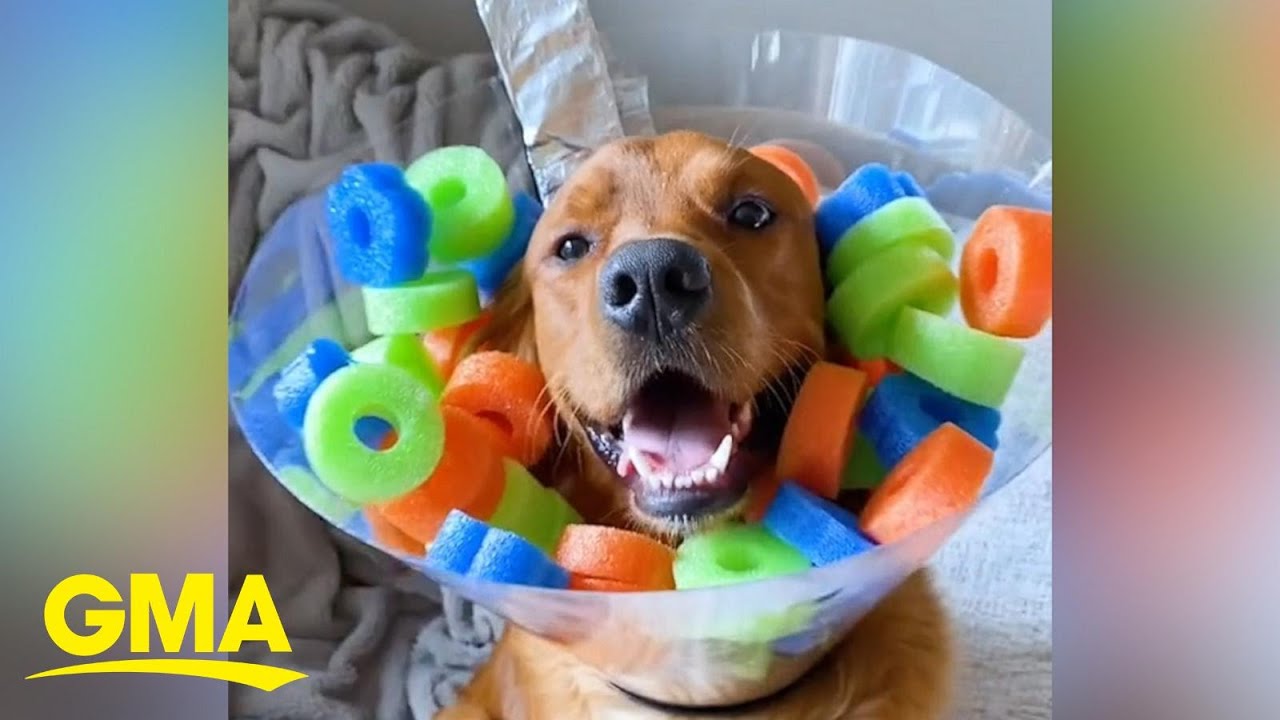
Halloween Fun with Your Dog: Safety, Costumes & Treats
Halloween is a blast, and including your dog can make it even more special! But before you start dreaming up matching costumes or planning a dog-friendly trick-or-treat route, it’s essential to prioritize your dog’s safety and comfort. This guide will help you navigate Halloween with your furry friend, from choosing the right costume to keeping them safe from common hazards.
Is a Costume Right for Your Dog?
While those adorable dog costumes fill our social media feeds, not every dog enjoys wearing one. The most important thing is your dog’s comfort and well-being. Here’s how to tell if a costume is a good idea for your dog and how to introduce it safely:
Assessing Your Dog's Personality
- The Chill Dog: Some dogs, like many Golden Retrievers or Basset Hounds, are naturally laid-back and might tolerate a costume with little fuss. If your dog is generally calm, doesn't mind being handled, and isn't easily stressed by new sensations, they might be a good candidate.
- The Anxious Dog: Dogs prone to anxiety, such as some Greyhounds or Chihuahuas, or those with a history of fear of new objects, will likely find costumes stressful. Signs of stress include lip licking, yawning, tail tucked, ears flattened, or trying to escape.
- The Playful Dog: Very active breeds like Border Collies or Jack Russell Terriers might see a costume as a fun game, but ensure it doesn't restrict their movement or become a chew toy.
Choosing the Right Costume
If you decide to go for a costume, keep these points in mind:
- Comfort is Key: The costume should not be too tight or too loose. It shouldn't restrict movement, breathing, or their ability to see, hear, or go to the bathroom. Avoid anything with tight elastic bands around the legs or neck.
- Material Matters: Choose lightweight, breathable fabrics. Avoid anything that could cause overheating, especially if you live in a warmer climate or your dog has a thick coat (e.g., a Siberian Husky in a full-body fleece costume).
- No Dangling Parts: Small, dangling pieces (buttons, sequins, bells) can be choking hazards or easily chewed off and ingested.
- Visibility: If you'll be out at night, consider costumes with reflective elements or add reflective tape for safety.
Introducing a Costume Safely
Don't just spring a full costume on your dog. Introduce it gradually:
- Start Small: Begin with something simple, like a bandana or a small hat, for a few minutes.
- Positive Reinforcement: Pair the costume with high-value treats (like small pieces of cooked chicken or cheese) and praise.
- Short Sessions: Gradually increase the time your dog wears the costume, always ending on a positive note before they show signs of discomfort.
- Supervise: Never leave your dog unsupervised while wearing a costume, especially if it has parts they could chew off.
Halloween Safety Hazards for Dogs
Halloween brings unique dangers for dogs. Being aware of these can prevent a trip to the emergency vet.
Dangerous Treats & Food
- Chocolate: This is highly toxic to dogs. Dark chocolate and baking chocolate are the most dangerous. Even a small amount can cause vomiting, diarrhea, tremors, and seizures. Keep all chocolate candy out of reach.
- Xylitol: Many sugar-free candies, gums, and even some peanut butters contain xylitol, which is extremely toxic to dogs and can cause a rapid drop in blood sugar and liver failure. Always check ingredient labels.
- Candy Wrappers: Ingesting foil or plastic wrappers can cause gastrointestinal upset, blockages, or choking.
- Raisins/Grapes: Some trick-or-treaters might hand out small boxes of raisins. These are highly toxic and can cause kidney failure in dogs.
- Hard Candies/Lollipops: These are choking hazards and can cause digestive upset.
What to do if your dog eats something dangerous: Contact your veterinarian or an emergency veterinary clinic immediately. Do not wait for symptoms to appear.
Decorations & Environment
- Lit Candles & Jack-O'-Lanterns: A wagging tail can easily knock over a lit candle, causing a fire or burns. Use battery-operated LED candles instead.
- Electrical Cords: Dogs, especially puppies, might chew on electrical cords for lights or animated decorations, leading to burns or electrocution. Secure cords out of reach.
- Small Decorations: Items like fake spiderwebs, plastic spiders, or small decorative gourds can be choking hazards or cause intestinal blockages if ingested.
- Stranger Danger: The constant ringing of the doorbell and unfamiliar people in costumes can be very stressful for some dogs. Consider keeping your dog in a quiet, secure room away from the front door during peak trick-or-treating hours. Provide them with a favorite toy or a long-lasting chew.
- Open Doors: With frequent door openings, there's an increased risk of your dog slipping out. Ensure they have up-to-date ID tags and are microchipped.
Dog-Friendly Halloween Activities
You can still celebrate Halloween with your dog without putting them at risk:
- Pumpkin Patch Visit: Many pumpkin patches are dog-friendly. It's a great photo opportunity and a chance for a fun outing. Always check their specific pet policy first.
- Homemade Dog Treats: Bake some pumpkin-flavored dog treats (using plain pumpkin puree, not pie filling) or other dog-safe recipes.
- Dog-Friendly Costume Contest: Look for local events or host your own with friends. This allows for controlled environments and ensures all dogs are comfortable.
- Themed Photo Shoot: Dress your dog up for a quick photo session at home, then let them relax.
- Quiet Evening In: Snuggle up with your dog, watch a spooky movie, and enjoy some quality time away from the Halloween hustle.
After Halloween Cleanup
Even after the festivities, hazards can linger:
- Leftover Candy: Ensure all candy is put away securely. Don't leave bowls of candy accessible.
- Discarded Decorations: Check your yard for any decorations that may have fallen or been discarded, especially if they are small or chewable.
By being prepared and putting your dog’s comfort and safety first, you can ensure Halloween is a fun and stress-free holiday for everyone in your family, including your beloved canine companion.
Written and reviewed by the Doggie General editorial team. This article is general information for dog owners, not veterinary advice. If your dog is unwell or you are worried about its health or behavior, contact your veterinarian. When you buy through links on this site we may earn a commission.