

Trends In Dog Grooming And Styling
As a pet owner, grooming and styling are essential aspects of maintaining your dog’s health and appearance. Beyond just aesthetics, regular grooming, such as brushing a Golden Retriever's coat two to three times a week or trimming a Poodle's hair every 6-8 weeks, helps prevent matting, skin infections, and can even highlight early signs of health issues. Over the years, the industry of dog grooming and styling has evolved significantly, and new trends are constantly popping up. From creative grooming to eco-friendly products, dog owners have numerous options to style and groom their dogs. This article explores the current trends in dog grooming and styling.
Evolution of Dog Grooming and Styling
Dog grooming and styling date back to times when dogs were domesticated. Early grooming techniques involved using bones to untangle matted fur and removing ticks manually. Imagine a Neolithic shepherd using a sharpened bone to detangle the thick double coat of an early sheepdog ancestor! The development of the dog grooming and styling industry started in the late 1800s, with the establishment of the first grooming school in England. Eventually, dog grooming salons started to emerge, and today, grooming and styling have become a significant part of the pet industry, with specialized tools like those discussed in Which Furminator for Labrador: Best Grooming Tools.
Current Trends in Dog Grooming and Styling
1. Popularity of breed-specific cuts and styles
Dog owners are increasingly becoming aware of breed-specific cuts and styles that suit their dogs’ appearance. Breed-specific styles ensure that your dog’s features and beauty are highlighted while enhancing their personality. For example, a Poodle will look great with a stylish “puppy cut” (a uniform length, typically 1/2 to 1 inch, all over the body, often seen on Poodles under one year old) while a Terrier, like a Miniature Schnauzer, can rock the classic “schnauzer cut” (shaved body with longer hair on the legs, beard, and eyebrows). Even for breeds not typically associated with elaborate cuts, understanding their coat needs is crucial, as explored in Do Labradors Need to Go to the Groomers: Grooming Tips.
2. Creative grooming and styling
Creative grooming and styling involve using non-toxic, pet-friendly dyes to color your dog’s fur, creating interesting shapes and designs or adding accessories like beads and bows. This trend has received criticisms from some animals’ rights activists, citing that it could cause discomfort to the animals, but with the use of non-toxic dyes (such as Opawz or Crazy Liberty brands, applied by certified professionals) and harmless accessories (like lightweight, clip-on bows for a special occasion), it can be a fun and creative way to add a little flair to your dog’s style. For instance, a small Maltese weighing 6-8 lbs might sport a temporary pink streak in its topknot for a birthday party.
3. Use of eco-friendly and all-natural grooming products
More pet owners are embracing environmentally-friendly and sustainable lifestyles, and the same applies to dog grooming and styling. The use of all-natural and eco-friendly products, such as shampoos free from parabens, sulfates, and artificial fragrances (e.g., Earthbath or Burt's Bees for Pets), helps reduce the amount of harmful toxins that can be irritating to a dog's sensitive skin and harmful to both dogs and the environment. These products are particularly beneficial for dogs with allergies or skin sensitivities, like many French Bulldogs or West Highland White Terriers.
Technology and Dog Grooming and Styling
Technology has revolutionized almost every aspect of modern life and has had significant contributions to the dog grooming and styling industry. For instance:
– Technological advances in grooming equipment such as quiet, cordless clippers (like those from Andis or Wahl) that reduce stress for anxious dogs, powerful high-velocity dryers that cut drying time for large breeds like Newfoundlands from hours to minutes, and specialized shavers have made the grooming process faster, safer, and more efficient.
– Social media platforms such as Instagram and Facebook have provided dog grooming salons and stylists a platform to showcase their creativity and advertise their services to a global audience, allowing pet owners to discover the latest looks and find local groomers.
Future of Dog Grooming and Styling
Technological advances are expected to play a significant role in the future of dog grooming and styling. Some of the expected trends include:
– Use of 3D printing technology to create customized grooming equipment and novelty accessories, such as perfectly fitted ergonomic brush handles or unique, lightweight pet tags.
– Integration of Artificial Intelligence (AI) algorithms in grooming equipment, making the grooming process more efficient and personalized. Imagine an AI-powered clipper that can scan a dog's coat and suggest the optimal cut based on breed, coat condition, and owner preference, or even detect early skin issues.
– Development of gene editing technology to create hypoallergenic dogs, which will redefine the dog grooming industry. While still in early research phases, such advancements could significantly impact the demand for specific grooming services and products. For more on cutting-edge veterinary developments, see Advances In Veterinary Medicine For Dogs.
Conclusion
The dog grooming and styling industry is continuously evolving, and it’s fascinating to see the trends that emerge. As a dog owner, you have many options to keep your dog looking great, and it’s important to stay informed about current trends and the future of the industry. Regular grooming, whether a professional full-service groom every 4-6 weeks for a Bichon Frise or a weekly brush and nail trim at home for a German Shepherd, is an excellent way to bond with your pet while keeping them healthy and comfortable. For a deeper dive into the broader landscape of pet care, including styling, you can read our main article on Trends in Dog Grooming and Styling: Keeping Your Best Friend Looking Their Best.
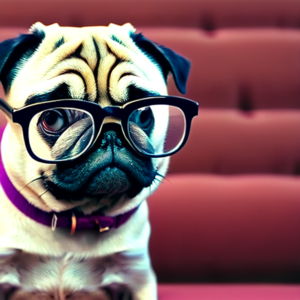
Trends in Dog Grooming and Styling
What are some popular trends in dog grooming?
Some popular trends in dog grooming include creative haircut styles (like mohawks for Terriers or intricate patterns shaved into a Poodle's coat), using natural and eco-friendly grooming products (such as oatmeal-based shampoos for sensitive skin), and incorporating spa-like treatments such as aromatherapy (using pet-safe essential oils like lavender for calming) and massage into the grooming process to reduce stress, especially for dogs aged 8 years or older with arthritis.
What should I consider when choosing a dog grooming salon?
When choosing a dog grooming salon, you should consider factors such as the salon’s reputation (check online reviews and ask for local recommendations), the experience and qualifications of the staff (are they certified groomers with at least 2-3 years of experience?), the cleanliness of the facilities (do they sanitize equipment between each dog?), the quality of the grooming products used (are they hypoallergenic if your dog has sensitivities?), and the type of services offered (do they offer specific breed cuts, de-shedding treatments, or nail grinding?). It is also important to make sure that the salon is licensed and insured, and that they have clear procedures in place in case of emergencies or accidents, such as immediate veterinary contact information for a dog that might experience a sudden health issue during grooming.
Written and reviewed by the Doggie General editorial team. This article is general information for dog owners, not veterinary advice. If your dog is unwell or you are worried about its health or behavior, contact your veterinarian. When you buy through links on this site we may earn a commission.