
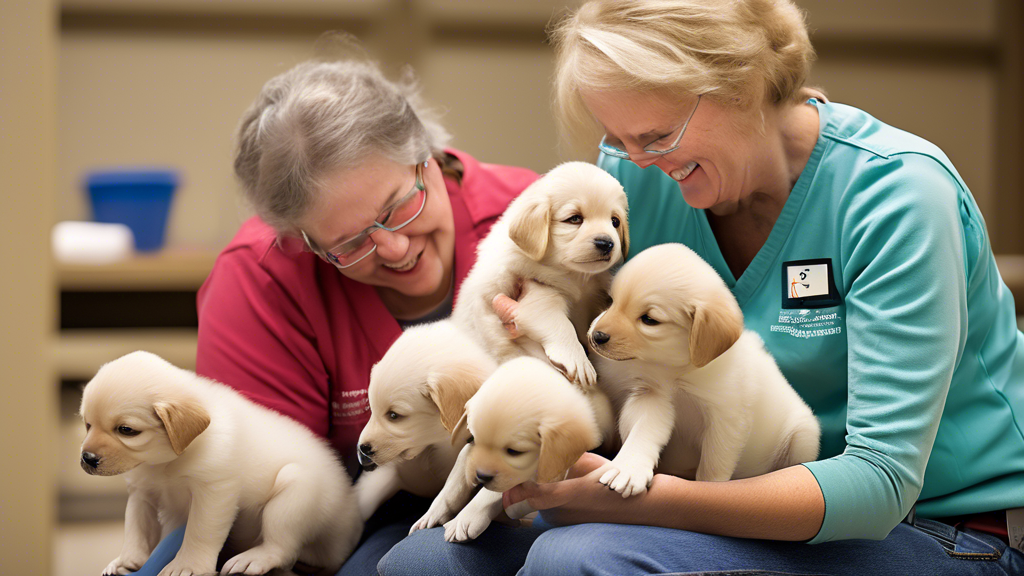
Introduction to the Ability Center’s Mission
The Ability Center of Greater Toledo is an organization dedicated to assisting individuals with disabilities to live, work, and socialize within their communities. As part of their ongoing efforts, the Ability Center runs a specialized program that trains service dogs to aid those in need. To continue providing these invaluable services, the center is seeking volunteers in Northwest Ohio to raise puppies that will eventually become service dogs.
The Role of Puppy Raisers
Puppy raisers play a crucial part in the development of service dogs by providing a nurturing home environment during their formative months. From basic obedience training to socialization skills, volunteer puppy raisers help shape these young dogs into confident, well-behaved companions. This commitment typically spans from when the puppy is around 8-10 weeks old until they are 12-18 months old, preparing them for advanced service dog training.
The main responsibilities of a puppy raiser include:
- Providing a safe and loving home, ideally one where the puppy isn't left alone for more than 3-4 hours at a time, especially during the critical early months.
- Teaching basic commands such as "sit," "stay," "come," "down," and "heel." These commands are foundational for a service dog's future work. For example, teaching "come" reliably can be life-saving.
- Ensuring proper socialization by exposing the puppy to a variety of settings and situations. This means taking them to busy parks, grocery stores (where allowed), public transportation, and introducing them calmly to different people, children, and other animals. A well-socialized puppy, like a Labrador Retriever or Golden Retriever (common service dog breeds), will be less prone to anxiety or fear in new environments.
- Attending regular training sessions organized by the Ability Center. These are typically weekly or bi-weekly group classes where trainers guide you through specific exercises and address any behavioral concerns.
- Maintaining the puppy’s health through proper diet, exercise, and veterinary care. This includes feeding a high-quality puppy food appropriate for their breed and size (e.g., a large breed puppy formula for a future service dog weighing 50-70 lbs as an adult), ensuring they receive their dog vaccination schedule on time, and regular check-ups. You'll learn how to identify signs of illness and when to contact a veterinarian.
- Implementing positive reinforcement techniques, such as clicker training and treat rewards, to encourage desired behaviors. For instance, rewarding a puppy with a small piece of cooked chicken or a favorite toy immediately after they "sit" on command.
Training and Support
Volunteers are not expected to tackle this important task alone. The Ability Center provides comprehensive training and support for all puppy raisers. This includes initial orientation, ongoing training sessions, and access to a network of experienced trainers and fellow volunteers for advice and assistance. Many of these techniques are similar to what you'd find in a professional security dog training center, adapted for service dog development.
Additionally, all essential supplies such as food, veterinary care, and training equipment are provided by the Ability Center to ensure that raising a future service dog is as seamless and straightforward as possible for the volunteers. This typically includes a starter kit with a leash, collar, crate (for crate training), and a supply of premium puppy kibble. For instance, a 10-week-old Labrador puppy might consume around 2-3 cups of food per day, split into three meals, adjusted as they grow.
Benefits of Being a Puppy Raiser
While the commitment of raising a puppy is a significant one, the rewards are numerous:
- Making a Difference: Volunteers play an integral part in a program that profoundly changes the lives of individuals with disabilities. Imagine the impact of raising a puppy that will later help someone with mobility challenges or provide comfort to a veteran with PTSD.
- Learning New Skills: Volunteers receive professional training in dog-handling and obedience techniques that are valuable for any dog owner. You'll gain practical experience in areas like leash manners, impulse control, and advanced socialization, which can even help you better understand your own pets.
- Community Engagement: Being involved in the program offers numerous opportunities to connect with others who share a passion for helping and making a difference in the community. You'll meet fellow puppy raisers, trainers, and the individuals whose lives are touched by these amazing dogs.
Eligibility and Commitment
To become a puppy raiser, volunteers must meet several criteria to ensure the best environment for the puppy’s growth and training:
- Reside in Northwest Ohio, allowing for easy access to the Ability Center's facilities for training sessions.
- Have a stable home environment suitable for a growing puppy. This means a safe, puppy-proofed space, and ideally, a fenced yard for supervised play. If you have other pets, the Ability Center will provide guidance on how to introduce a new dog to your resident dog safely and effectively.
- Be able to dedicate time each day for training and socialization activities. This includes at least 30-60 minutes of structured training daily, plus numerous short socialization outings. A bored puppy, regardless of breed, can quickly become a destructive one, so providing adequate dog mental stimulation is key.
- Commit to attending regular training sessions organized by the Ability Center, typically held weekly or bi-weekly at their facility in Whitehouse, OH.
- Understand that the puppy will return to the Ability Center for formal service dog training after the initial raising period, usually around 12-18 months of age. This transition can be emotional, but knowing the puppy is going on to fulfill its purpose is incredibly rewarding.
How to Get Involved
If you’re interested in becoming a puppy raiser for the Ability Center, the first step is to contact the organization to express your interest and learn more about the application process. Potential volunteers can visit the Ability Center’s website or contact them directly via phone or email. The team will provide further details about the application requirements, training schedule, and the overall timeline for the puppy-raising process. This is a similar process to other organizations seeking volunteer puppy raisers needed by NEADS, another reputable service dog organization.
The Ability Center is eager to welcome new volunteers into their puppy-raising program and offers a fulfilling opportunity to make a lasting impact on someone’s life through the care and training of a future service dog.
Conclusion
Raising a puppy for the Ability Center is more than just fostering a dog; it’s a journey of compassion, dedication, and community service. By volunteering to raise a puppy, individuals in Northwest Ohio can contribute significantly to the lives of people with disabilities, providing them with the independence and companionship that only a well-trained service dog can offer. If you have the time, love, and commitment to give, consider becoming a part of this transformative program.
Written and reviewed by the Doggie General editorial team. This article is general information for dog owners, not veterinary advice. If your dog is unwell or you are worried about its health or behavior, contact your veterinarian. When you buy through links on this site we may earn a commission.