
What Does a Labrador Puppy Look Like: Identifying Features
Bringing home a new puppy is an incredibly exciting time, especially when that puppy is a Labrador Retriever. Labs are renowned for their friendly nature, intelligence, and of course, their adorable puppy looks. But what exactly makes a Labrador puppy distinguishable from other breeds? This comprehensive guide will delve into the key identifying features of Labrador puppies, ensuring you know exactly what to expect from your newest furry family member. For a deeper dive into the breed's overall appeal, you might find our article on Why Get a Labrador: Benefits of This Breed particularly insightful.
Distinctive Labrador Puppy Features
Labrador puppies, while undeniably cute, often get mistaken for other breeds, particularly those within the Retriever family like Golden Retrievers or Chesapeake Bay Retrievers. Let’s break down their signature characteristics:
1. Head and Face: The Quintessential Lab Expression
A Labrador puppy’s face is its most endearing feature, radiating a blend of innocence and mischief. Here’s what to look for:
- Head Shape: Broad and slightly wedge-shaped, with a defined stop (the indentation between the eyes). Puppies at 8 weeks will have a less defined stop than adult Labs, but it should still be noticeable. For example, a purebred Labrador puppy will have a more pronounced stop than a Flat-Coated Retriever puppy.
- Muzzle: Not overly long or pointed, with a well-developed, slightly squared-off appearance. Think of it as a sturdy, functional muzzle, not delicate like a Whippet’s.
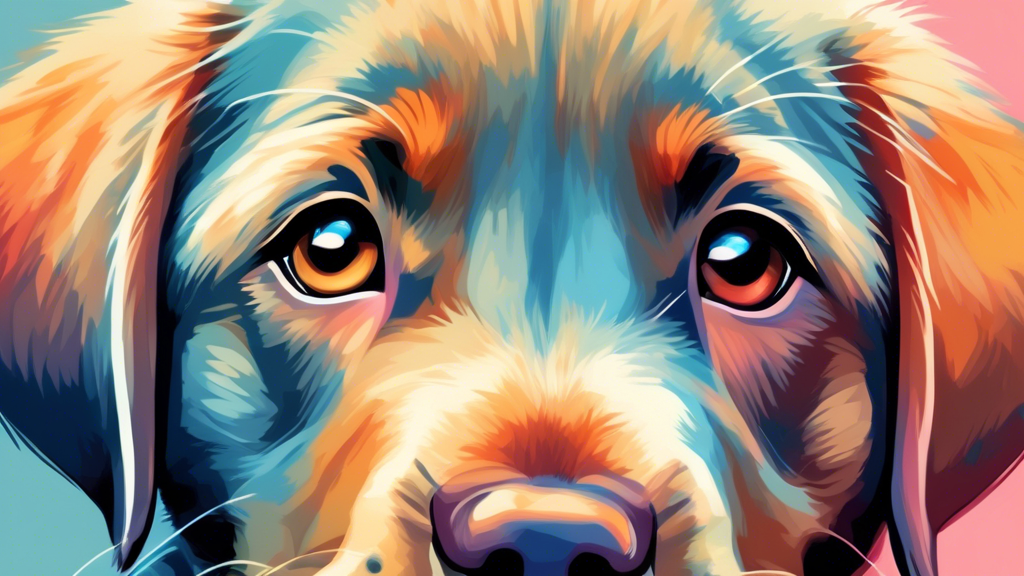
- Eyes: Large, expressive, and filled with warmth. Labrador puppies typically have brown or hazel eyes, brimming with curiosity. Their eye rims should be dark, regardless of coat color.
- Ears: Medium-sized, pendant-shaped, and set relatively far back on the head. They should hang close to the cheeks and reach approximately to the corner of the eye when pulled forward. Unlike a Basset Hound's ears, they won't drag on the ground.
2. Body Structure: Built for Action and Affection
Even as puppies, Labradors exhibit the sturdy build that makes them such versatile dogs. This robust frame is evident from a young age, preparing them for a life of activity, whether it's retrieving or playing fetch.
- Body: Compact and well-proportioned. Labrador puppies are surprisingly sturdy, even at a young age of 8-12 weeks. You should be able to feel their ribs easily, but not see them prominently. A healthy 10-week-old Labrador puppy might weigh between 15-25 lbs (7-11 kg), depending on its lineage.
- Chest: Deep and wide, hinting at the powerful build they’ll develop as they grow. This deep chest is crucial for lung capacity, supporting their energetic lifestyle.
- Tail: The "otter tail" is a hallmark of the breed. It’s thick at the base, tapering to the tip, and carried straight or with a slight upward curve, never curled over the back like a Husky’s. Labrador puppies will often wag their entire bodies along with their tails when excited! This tail acts like a rudder when they swim, a key feature for a retrieving breed.
3. Coat: Double the Layers, Double the Fun
One of the most recognizable features of Labrador Retrievers is their weather-resistant double coat, which is essential for their original purpose as water retrievers.
- Texture: A Labrador’s coat consists of two layers: a short, dense, water-repellent outer coat and a soft, insulating undercoat. Puppies have incredibly soft fur that will gradually become coarser and more weather-resistant as they mature, typically by 6 months of age. You can test the water-repellency by gently misting a 4-month-old Lab's back; the water should bead up.
- Colors: Labrador puppies come in three classic colors, as recognized by breed standards:
- Black: A deep, solid black, often with subtle variations in shade. Some black Labs may develop a reddish tint in the sun as they age.
- Yellow: Ranging from a light cream (almost white) to a rich fox-red. A common example of a fox-red Lab might be mistaken for a Golden Retriever by an untrained eye, but the head and body structure will differ.
- Chocolate: A lovely shade of brown that can vary from light to dark. A dark chocolate Lab puppy might appear almost black in certain lighting.
Labrador Puppy Development Stages: What to Expect
Just like human babies, Labrador puppies go through distinct growth phases. Understanding these stages is crucial for proper care and training. For more in-depth guidance on raising your new companion, check out How to Look After a Labrador Puppy: Essential Tips.
- Neonatal (0-2 weeks): Blind and deaf, entirely reliant on their mother for warmth and nourishment. They spend most of their time sleeping and nursing.
- Transitional (2-4 weeks): Eyes and ears open, start to walk and explore their surroundings. They begin to vocalize beyond whimpers and start to interact with littermates.
- Socialization (3-12 weeks): A critical period for learning and socialization; they’ll be interacting more with their littermates and humans. This is the ideal time for gentle introductions to new sights, sounds, and people. A puppy introduced to 100 new, positive experiences by 12 weeks will likely be more well-adjusted.
- Juvenile (3-6 months): Full of energy and constantly exploring. This is when their true personalities start to emerge. They'll be teething heavily, so provide plenty of appropriate chew toys. A 4-month-old Lab puppy might require 2-3 cups of high-quality puppy food per day, split into multiple meals. You can use our Dog Feeding Calculator for more precise guidance.
- Adolescence (6-18 months): Reaching sexual maturity, may display some challenging behaviors as they test boundaries. This is a crucial time for continued training, reinforcing commands like "sit," "stay," and "come." A male Lab might start lifting his leg to urinate around 7-8 months.
- Adulthood (18+ months): Growth slows down, and they settle into their mature size and temperament. While still energetic, their boundless puppy energy begins to temper into a more focused drive.
Common Questions About Labrador Puppy Appearance:
Q: Do Labrador puppies change color as they grow?
A: While their base color remains the same, Labrador puppies may experience subtle coat changes as they mature. For instance, yellow Labs might become slightly darker or lighter, with some developing "sable" shading (darker tips on their fur), and black Labs might show some browning around the muzzle or a reddish sheen in sunlight, especially as they approach 1-2 years of age. Chocolate Labs can also lighten or darken slightly.
Q: How big do Labrador puppies get?
A: Labrador Retrievers are a medium-to-large breed. Adult males typically weigh between 65-80 pounds (29-36 kg) and stand 22.5-24.5 inches (57-62 cm) at the shoulder. Adult females are usually 55-70 pounds (25-32 kg) and stand 21.5-23.5 inches (55-60 cm). A 6-month-old male Lab puppy might already weigh 45-55 lbs (20-25 kg).
Q: When do Labrador puppies lose their puppy fur?
A: Labrador puppies typically experience their most significant coat change, often called "blowing their puppy coat," between 4 and 7 months of age. During this time, their soft puppy fur is replaced by the denser, coarser adult double coat. Regular brushing, at least 3-4 times a week, is essential to manage the increased shedding and prevent matting. This process can last several weeks.
Bringing Home Your Labrador Puppy
Recognizing the distinctive features of Labrador puppies is just the first step in welcoming these incredible dogs into your life. With their boundless energy, affectionate nature, and eagerness to please, Labrador puppies bring unparalleled joy to families worldwide. As you embark on this exciting journey of puppy parenthood, remember that patience, positive reinforcement, and plenty of love will help your Labrador puppy flourish into a well-adjusted and cherished member of your family. If you're still considering if a Lab is the right fit for your lifestyle, exploring Why Labrador Retrievers Are the Best Dogs: Breed Advantages could provide further clarity.
Written and reviewed by the Doggie General editorial team. This article is general information for dog owners, not veterinary advice. If your dog is unwell or you are worried about its health or behavior, contact your veterinarian. When you buy through links on this site we may earn a commission.