
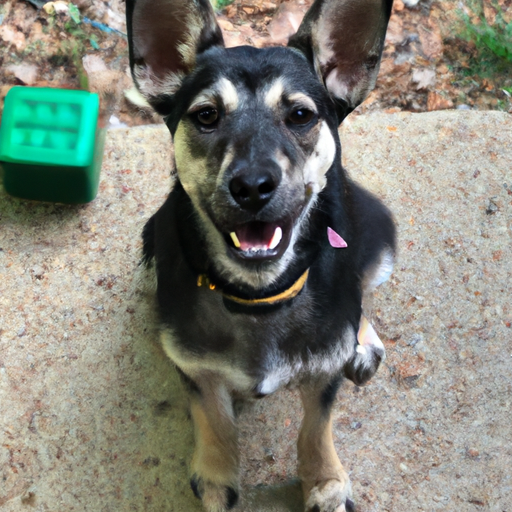
The Absolute First Thing to Train Your Dog: Attention and Their Name
When you bring a new dog or puppy into your home, whether they're 8 weeks old or 8 years old, it's natural to want to teach them everything. But before you dive into 'sit,' 'stay,' or even house-training, there's a foundational skill that unlocks all future learning: teaching your dog to pay attention to you, especially when you say their name.
Think of it this way: if your dog doesn't know you're talking to them, or doesn't associate their name with good things, how can they possibly learn what 'sit' means? This isn't just about obedience; it's about building a clear communication channel and a positive relationship from day one. This initial training lays the groundwork for safety, successful training, and a harmonious life together.
Why Attention and Name Recognition Are So Important
- Safety: A dog who reliably responds to their name can be called away from dangerous situations, like a busy road or something harmful they're about to eat.
- Communication: It's the 'hello' before any other command. It tells your dog, "Hey, I'm about to tell you something important!"
- Bonding: Positive interactions around their name build trust and strengthen your relationship. They learn that hearing their name means good things happen.
- Foundation for All Other Training: Every single command, from 'sit' to 'recall,' starts with getting your dog's attention.
Step 1: Choose a Great Name (If You Haven't Already!)
If you're getting a new puppy or dog, take a moment to consider their name. While not strictly part of the training, a good name helps. Aim for:
- Short and Distinct: One or two syllables are often easiest for dogs to recognize (e.g., 'Luna,' 'Max,' 'Buddy').
- Avoid Sound-Alikes: Don't pick a name that sounds too much like a common command (e.g., 'Kit' if you use 'sit' often, or 'Joe' if you use 'no').
- Positive Association: Try to use the name only for positive interactions initially. Avoid using it when you're angry or about to scold them.
Step 2: The "Name Game" – Making Their Name a Happy Sound
This is where the real training begins. The goal is simple: every time your dog hears their name, they should look at you, because they know something good is coming.
What You'll Need:
- High-Value Treats: Small, soft, and super tasty treats are best. Think tiny pieces of cooked chicken, cheese, hot dogs, or commercial training treats like Zuke's Mini Naturals. For a 15 lb (6.8 kg) Miniature Poodle, a pea-sized piece is perfect. For a 70 lb (31.8 kg) Labrador Retriever, a blueberry-sized piece works.
- A Quiet Environment: Start in a low-distraction area like your living room or kitchen.
- Patience and a Positive Attitude: This should be fun for both of you!
How to Play the Name Game:
- Get Their Attention (Initially): When your dog isn't looking directly at you, say their name in a cheerful, upbeat tone. The moment their head turns or they make eye contact, immediately say "Yes!" or "Good!" and give them a treat.
- Repeat, Repeat, Repeat: Do this 10-20 times in a short session (1-2 minutes). Then take a break. You can do several short sessions throughout the day.
- Vary the Environment: Once your dog is reliably looking at you in a quiet room, gradually introduce mild distractions. Try it in the backyard, then on a leash walk (when there are few other dogs or people around).
- Increase Distance and Distraction: As they get better, try calling their name from across the room, then from another room. If they don't respond, go back to an easier step.
- Never Use Their Name for Punishment: This is crucial. If their name is always followed by a scolding, they'll learn to ignore it or associate it with negativity.
Troubleshooting the Name Game:
- My dog isn't looking at me: Make sure your treats are high-value enough. Try a different treat. Also, ensure you're saying their name in an exciting tone. If they're still not responding, try making a small, soft noise (like a kissy sound) right after their name to get their attention, then reward.
- My dog only looks at me if I have food: That's okay! That's how they learn the association. Over time, you'll start to vary the rewards (sometimes a treat, sometimes praise, sometimes a quick game of tug).
- My dog is too distracted: Go back to a quieter environment. Reduce the level of distraction until they can succeed, then slowly build up again.
Step 3: The "Look At Me" Command (Optional, But Highly Recommended)
Once your dog reliably looks at you when you say their name, you can add a specific "look at me" or "focus" command. This is particularly useful in distracting environments where you need sustained attention.
How to Teach "Look At Me":
- Hold a Treat Near Your Face: With your dog sitting or standing in front of you, hold a high-value treat near your nose or forehead.
- Say Your Command: Say "Look at me" or "Focus."
- Reward Eye Contact: The instant your dog makes eye contact with you, mark it with "Yes!" or "Good!" and give them the treat.
- Fade the Lure: Once they understand, start holding the treat less obviously or further away, eventually just using your hand gesture (pointing to your eyes) or the verbal command alone.
Integrating Attention into Daily Life
Once your dog understands their name and the concept of attention, start using it naturally throughout your day:
- Before Meals: Call their name, get eye contact, then put down their food bowl.
- Before Going Outside: Call their name, get eye contact, then open the door.
- Before Playtime: Call their name, get eye contact, then start playing with their favorite toy.
- During Walks: Periodically call their name. When they look at you, reward them with a treat and praise. This helps them check in with you and reinforces that you're more interesting than every squirrel.
What Comes Next?
Once your dog reliably responds to their name and gives you attention, you've built a strong foundation. The next essential commands to focus on are:
- Sit: A simple, versatile command that helps with impulse control.
- Come (Recall): Crucial for safety, allowing you to call your dog back to you in any situation.
- Stay: Builds impulse control and helps keep your dog in one place when needed.
- Loose Leash Walking: Makes walks enjoyable for both of you.
Remember, consistency is key. Short, frequent training sessions (5-10 minutes, 2-3 times a day) are far more effective than one long, infrequent session. Always end on a positive note, and have fun with your dog!
Written and reviewed by the Doggie General editorial team. This article is general information for dog owners, not veterinary advice. If your dog is unwell or you are worried about its health or behavior, contact your veterinarian. When you buy through links on this site we may earn a commission.