
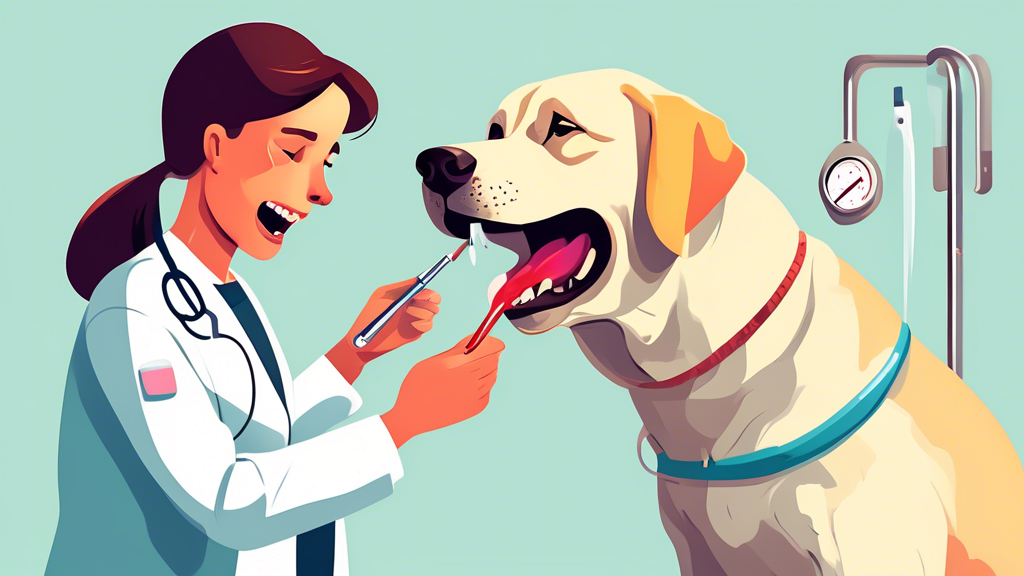
Why Does My Labrador Pant So Much? Health Considerations
Labrador Retrievers are known for their friendly nature, boundless energy, and, yes, their penchant for panting. While some panting is perfectly normal for this athletic breed, excessive or unusual panting can be a sign of something more serious. As a loving Lab owner, it’s important to understand the difference between normal panting and panting that warrants a call to your veterinarian.
Normal Panting: Keeping Cool and Collected
Dogs don’t sweat like humans do. Instead, they rely on panting as their primary method of thermoregulation. When a Labrador pants, rapid breaths over their tongue and the lining of their respiratory system evaporate moisture, which helps to cool them down. This is why panting is a completely natural and essential physiological response, particularly during exercise, hot weather, or when they’re feeling excited.
Here are some instances where panting is considered perfectly normal in Labradors:
- After Exercise: Your Lab will pant heavily after a run, a game of fetch, or a vigorous swim. This is their way of cooling down and regulating their body temperature.
- Hot Weather: Like all dogs, Labradors are more prone to overheating than humans. On warm days, they’ll pant to stay cool, even if they haven’t been particularly active.
- Excitement or Stress: A visit to the vet, a car ride, or even the anticipation of a treat can cause a surge in excitement (or anxiety) that leads to panting.
Abnormal Panting: When to Be Concerned
While some panting is to be expected, it’s crucial to recognize when your Labrador’s panting might be a sign of an underlying health issue. Abnormal panting is often accompanied by other symptoms. If you notice any of the following, contact your veterinarian promptly:
1. Difficulty Breathing or Labored Panting
Normal panting should appear relatively effortless. If your Labrador is struggling to breathe, their panting sounds strained, or their gums appear bluish (a sign of cyanosis or lack of oxygen), seek immediate veterinary attention. This could indicate a serious problem, such as:
- Heatstroke: A life-threatening condition that occurs when a dog’s body temperature rises to dangerous levels. Other signs of heatstroke include excessive drooling, vomiting, diarrhea, weakness, and collapse.
- Respiratory Infections: Conditions like pneumonia or kennel cough can cause inflammation and fluid buildup in the lungs, making it difficult for your dog to breathe properly.
- Heart Conditions: Heart problems can impair the heart’s ability to pump blood effectively, leading to fluid buildup in the lungs and difficulty breathing.
2. Excessive Panting Without Obvious Cause
If your Labrador is panting excessively even when they haven’t been exercising or it’s not hot outside, it’s important to investigate further. Underlying causes could include:
- Pain: Panting can be a sign of pain or discomfort. If your Lab is injured, has arthritis, or is experiencing another painful condition, they may pant more than usual.
- Cushing’s Disease: A hormonal disorder that causes the adrenal glands to produce too much cortisol. Symptoms include increased thirst, urination, appetite, and panting.
- Anemia: A deficiency of red blood cells, which carry oxygen throughout the body. This can lead to weakness, lethargy, pale gums, and rapid breathing or panting.
3. Panting Accompanied by Behavioral Changes
Changes in your Labrador’s behavior along with increased panting may signal a problem. Pay attention to the following:
- Restlessness or Pacing: Inability to settle down, constant pacing, or anxious behavior can indicate pain, anxiety, or discomfort.
- Loss of Appetite or Vomiting: These signs, along with panting, can be indicative of a digestive issue, infection, or other medical condition.
- Lethargy or Weakness: If your usually energetic Lab is suddenly lethargic, weak, and panting excessively, seek veterinary attention.
4. Panting That Sounds Unusual
Not all panting sounds the same. If you notice a difference in the sound of your Labrador’s panting, it’s essential to take note. For example:
- Whistling or Wheezing: These sounds may indicate an obstruction in the airways, such as a foreign object or a collapsing trachea.
- Crackling or Rales: These sounds can be a sign of fluid in the lungs, often associated with heart failure or pneumonia.
What to Do If You’re Concerned
If your Labrador’s panting raises any red flags, don’t hesitate to contact your veterinarian. Early detection and treatment of underlying health problems are crucial for your dog’s well-being. When you call your vet, be prepared to provide the following information:
- A description of your dog’s panting (how long it’s been occurring, any unusual sounds, etc.)
- Any other symptoms you’ve noticed
- Your dog’s recent activity level
- Any medications or supplements your dog is currently taking
Preventing Excessive Panting
While you can’t prevent all instances of panting, you can take steps to minimize your Labrador’s risk of overheating and reduce stress that might contribute to excessive panting:
- Provide Ample Shade and Water: Always ensure your Lab has access to fresh, cool water, especially during hot weather. Provide shaded areas where they can escape the sun.
- Avoid Strenuous Exercise in the Heat: Limit outdoor activities during the hottest parts of the day. Opt for walks or play sessions in the early morning or late evening when it’s cooler.
- Never Leave Your Dog in a Parked Car: The temperature inside a parked car can skyrocket in minutes, even on a mildly warm day. Leaving a dog in a hot car can be fatal.
- Maintain a Healthy Weight: Obesity can make it harder for dogs to regulate their body temperature, increasing their risk of overheating. Feed your Lab a balanced diet and provide regular exercise to maintain a healthy weight.
- Consider a Cooling Vest or Mat: Cooling vests and mats can help keep your Lab comfortable in hot weather. These products utilize evaporative cooling or other technologies to reduce body temperature.
- Address Anxiety: If your Labrador pants excessively due to anxiety or stress, work with a certified veterinarian behaviorist or trainer to address the underlying issues. For more insights into canine communication, you might also find our article on why your Labrador whines so much helpful.
A Panting Partner
Labradors are prone to panting, but by understanding the difference between normal and abnormal panting, you can ensure your beloved companion stays happy and healthy. Pay attention to your Lab’s breathing, be mindful of their environment, and don’t hesitate to seek veterinary care if anything seems amiss. For further guidance on your dog's health, consider using our dog symptom checker. With your attentive care, your panting partner will enjoy many years of tail wags and adventures by your side.
Written and reviewed by the Doggie General editorial team. This article is general information for dog owners, not veterinary advice. If your dog is unwell or you are worried about its health or behavior, contact your veterinarian. When you buy through links on this site we may earn a commission.