
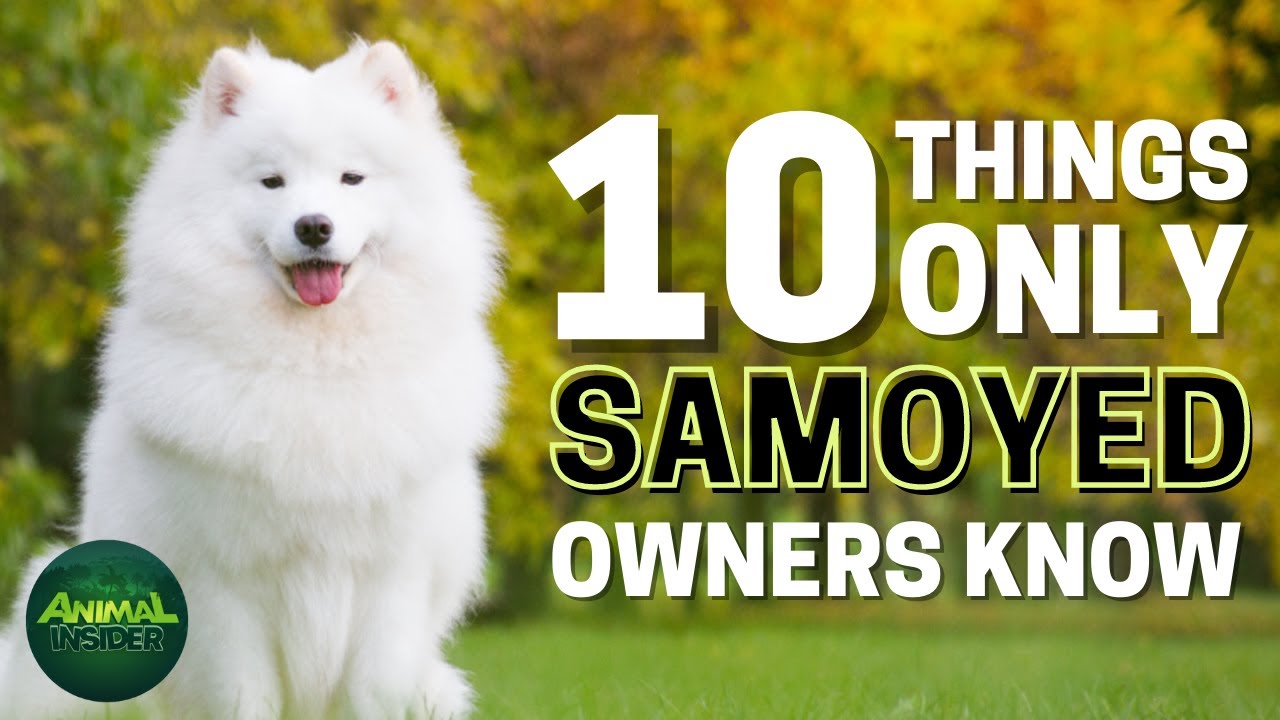
The Samoyed is a beautiful and fluffy breed that has been around for centuries. They were originally bred for herding reindeer and pulling sleds in the Siberian Arctic, and today they make great family pets. If you are a Samoyed owner, you know that they are a unique breed with some quirks and traits that only other Samoyed owners can understand. Here are 10 things that only Samoyed owners understand:
- The Fluffy Factor
Samoyeds are known for their beautiful white fur that makes them look like fluffy clouds. However, this comes at a price – Samoyeds shed a lot, and their fur gets everywhere. As a Samoyed owner, you understand that vacuuming is a daily chore, and fur will inevitably be on your clothes and furniture. During peak shedding seasons, typically spring and fall, a 50-pound (23 kg) Samoyed can easily fill a vacuum canister with fur daily. Expect to find fine white hairs on your black pants, in your coffee, and even clinging to the ceiling. Regular grooming, like brushing for 15-20 minutes every other day with a slicker brush and undercoat rake, can help manage the "Sammy glitter" but will never eliminate it entirely.
- The Smiling Face
Samoyeds have a unique trait where they appear to be smiling all the time, often referred to as the "Sammy smile." This isn't just an appearance; it's a reflection of their generally happy and friendly disposition. A well-socialized Samoyed, like a 2-year-old male named "Cloud," will often greet strangers with a wide grin and a wagging tail, making them excellent therapy dogs. This friendly demeanor is a hallmark of the breed, much like the distinctive look of a Pug.
- The Vocalizations
Samoyeds are not a quiet breed, and they have a wide range of vocalizations, from barking to howling, and even a unique "woo-woo" sound. As a Samoyed owner, you understand that they are very communicative and expressive. A 6-month-old Samoyed puppy might "woo-woo" excitedly when you come home, while an adult Samoyed might let out a deep howl if left alone for too long, signaling their displeasure. They often use barks to alert you to perceived threats, like a squirrel in the yard, or simply to demand attention.
- The Love for Cold Weather
Samoyeds are bred to withstand the harsh winters of the Siberian Arctic, and they absolutely love the cold weather. As a Samoyed owner, you understand that your dog will be the happiest outside in the snow, often rolling in it or burrowing their nose deep into fresh powder. While you're bundled in layers, your Samoyed might be perfectly content napping in a snowdrift, even when temperatures drop below freezing. Conversely, they can overheat quickly in warm climates; a Samoyed should never be left outside in temperatures above 70°F (21°C) for extended periods without shade and plenty of water.
- The Independent Nature
Samoyeds are a breed known for their independent nature, which can sometimes make them stubborn. As a Samoyed owner, you understand that they require patience and consistency in training. Unlike some breeds that live to please, a Samoyed might weigh the command against their own desires. For example, asking a 1-year-old Samoyed to "come" when they've spotted a rabbit might require multiple repetitions and high-value treats (like small pieces of chicken) to overcome their independent drive. Early socialization and consistent positive reinforcement are key.
- The Need for Exercise
Samoyeds are an active breed that requires daily exercise to maintain their physical and mental well-being. As a Samoyed owner, you understand that walks and playtime are essential for your dog’s health and happiness. An adult Samoyed, weighing around 45-65 pounds (20-29 kg), needs at least 60-90 minutes of vigorous exercise daily. This could be a brisk 3-mile (5 km) walk, a long game of fetch, or even activities like skijoring or canicross. Without sufficient exercise, a Samoyed can become bored and destructive, leading to behaviors like excessive barking or chewing furniture. For personalized exercise plans, consider using our Daily Dog Exercise Planner.
- The Social Nature
Samoyeds are a social breed that loves to be around people and other dogs. As a Samoyed owner, you understand that they thrive on attention and affection. They are not dogs that do well being left alone for long periods. A Samoyed puppy, from 8 weeks old, benefits immensely from puppy classes and regular exposure to various people and friendly dogs to foster their social skills. They often form strong bonds with their human family and can become anxious if isolated.
- The Herding Instincts
Samoyeds were originally bred for herding reindeer, and they still have strong herding instincts. As a Samoyed owner, you understand that they may try to "herd" small children, other pets, or even groups of adults by nudging, circling, or nipping gently at heels. This is not aggression but an innate drive. For example, a 3-year-old Samoyed might try to gather a group of toddlers playing in the park, gently pushing them together. Owners must be vigilant and teach appropriate boundaries, especially around very young children.
- The Stubbornness
Samoyeds are a stubborn breed, and they may not always listen to commands, especially if they don't see the immediate benefit. As a Samoyed owner, you understand that they require patience and consistency in training. This isn't a malicious stubbornness, but rather a strong will. When training a Samoyed, short, engaging sessions (5-10 minutes) with high-value rewards are far more effective than long, repetitive drills. If your Samoyed decides they don't want to walk anymore, they might simply plant their 55-pound (25 kg) body on the ground and refuse to budge, requiring a calm, patient approach to get them moving again. This trait is something many owners of independent breeds, like those who understand Dachshunds, can relate to.
- The Loyalty
Samoyeds are a loyal breed that forms strong bonds with their owners. As a Samoyed owner, you understand that your dog will always be by your side and will do anything to protect you. This loyalty means they often follow you from room to room, acting as your fluffy shadow. They are incredibly devoted companions, often sensing your moods and offering comfort. This deep connection makes all the shedding and stubbornness worth it for Samoyed enthusiasts.
In conclusion, Samoyeds are a unique breed with some quirks and traits that only other Samoyed owners can understand. They are a loving and loyal breed that requires patience, consistency, and lots of exercise. If you are a Samoyed owner, you know that your dog is more than just a pet – they are a member of the family.
Written and reviewed by the Doggie General editorial team. This article is general information for dog owners, not veterinary advice. If your dog is unwell or you are worried about its health or behavior, contact your veterinarian. When you buy through links on this site we may earn a commission.