
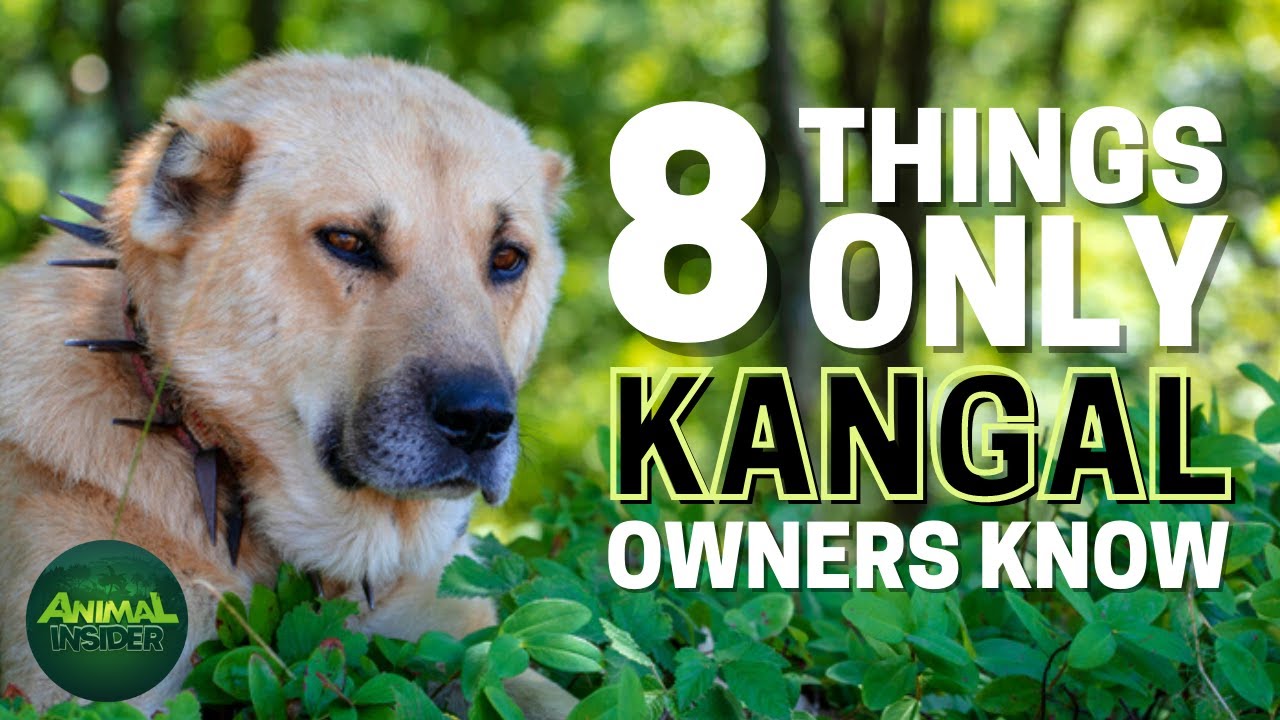
The Kangal dog is a large breed that originated in Turkey and is known for its loyalty, intelligence, and protective instincts. If you’re a proud owner of a Kangal dog, you know that they are more than just pets; they are family members that require special care and attention. Here are eight things that only Kangal dog owners understand:
- They are fiercely protective – Kangal dogs were originally bred in the Sivas province of Turkey to protect livestock, primarily sheep and goats, from formidable predators like wolves and bears. Their protective instincts are still incredibly strong. They are loyal and will go to great lengths to protect their family and territory, often placing themselves between a perceived threat and their charges. For instance, a 120 lb (54 kg) adult Kangal might stand its ground against a coyote or even a pack of wild dogs, demonstrating an unwavering commitment to its family.
- They are independent thinkers – Kangal dogs are intelligent and can be independent thinkers, which can make training challenging. Unlike some highly biddable breeds like a Labrador Retriever, a Kangal often assesses commands and decides if they align with its own perceived purpose. They need consistent and patient training with positive reinforcement, starting from puppyhood around 8-10 weeks old. Short, frequent sessions (5-10 minutes) are more effective than long, repetitive ones. Commands like "come," "stay," and "leave it" must be reinforced with high-value treats (e.g., small pieces of cooked chicken) and praise. For more insights into canine behavior, you might find our Dog Behavior Analysis tool helpful.
- They require a lot of exercise – Kangal dogs are active and need plenty of exercise to keep them healthy and happy. An adult Kangal, typically weighing between 90-145 lb (41-66 kg), requires at least 60-90 minutes of vigorous activity daily. This isn't just a casual stroll; they thrive on activities like long, brisk walks (3-5 miles), hiking on varied terrain, or supervised playtime in a securely fenced yard (at least 6 feet high). Without adequate exercise, a Kangal can become bored and destructive, leading to behaviors like excessive barking or chewing. Consider using our Daily Dog Exercise Planner for tailored activity ideas.
- They need socialization – Kangal dogs are protective of their families and can be wary of strangers. Socialization is crucial to help them become well-adjusted and friendly with people and other animals. This process should begin early, ideally between 8 and 16 weeks of age, exposing them to a wide variety of sights, sounds, people (of all ages and appearances), and other calm, vaccinated dogs. Puppy classes are an excellent way to facilitate this. Without proper socialization, a Kangal can develop fear-based aggression or excessive territoriality, making interactions outside the home difficult.
- They are low-maintenance – Kangal dogs have a short, thick double coat that is surprisingly easy to care for, especially compared to breeds like the Samoyed. They shed seasonally, typically in spring and fall, when they "blow their coat." During these periods, daily brushing with a slicker brush or de-shedding tool can help minimize shedding around the house. Outside of shedding season, a weekly brush is usually sufficient to remove loose hair and keep their coat healthy. They generally do not require frequent bathing, perhaps once every 2-3 months, unless they get particularly dirty.
- They have a strong prey drive – Kangal dogs have a strong instinct to chase and hunt prey, a trait honed over centuries of livestock guarding. This means that a squirrel, rabbit, or even a distant deer can trigger an immediate chase response. It’s absolutely critical to keep them on a leash in unfenced areas, even if they have excellent recall in a controlled environment. In a yard, a secure, tall fence (at least 6 feet, preferably 8 feet) is essential to prevent them from scaling or digging under to pursue perceived prey. Never underestimate this instinct; it can override even the most diligent training.
- They are not for first-time dog owners – Kangal dogs are large and powerful dogs that require experienced owners who can handle their strength and independent nature. An adult male can easily weigh over 100 lb (45 kg) and possess immense physical strength, making leash handling challenging for an inexperienced individual. Their independent problem-solving nature means they are not always eager to please in the same way a Golden Retriever might be. They are not recommended for first-time dog owners or those who are not familiar with managing strong-willed, guardian breeds. For those considering a large, protective breed, researching various options is key; you might find our Breed Selector Quiz helpful in finding the right match for your lifestyle.
- They are loyal and loving companions – Despite their protective instincts and independent nature, Kangal dogs are incredibly loyal and loving companions to their chosen family. They thrive on attention and love to be close to their family members, often seeking out physical contact like leaning against you or resting their head on your lap. Once they bond with you, usually around 1-2 years of age, their devotion is absolute. They are often gentle giants with children they've grown up with, displaying remarkable patience, though supervision is always advised with any large breed.
In conclusion, Kangal dogs are special breeds that require dedicated owners who can provide them with the care, attention, and exercise they need. They are fiercely protective, independent, and intelligent dogs that make loyal and loving companions. If you’re considering getting a Kangal dog, be prepared for a unique and rewarding experience that only Kangal dog owners can understand.
Written and reviewed by the Doggie General editorial team. This article is general information for dog owners, not veterinary advice. If your dog is unwell or you are worried about its health or behavior, contact your veterinarian. When you buy through links on this site we may earn a commission.