
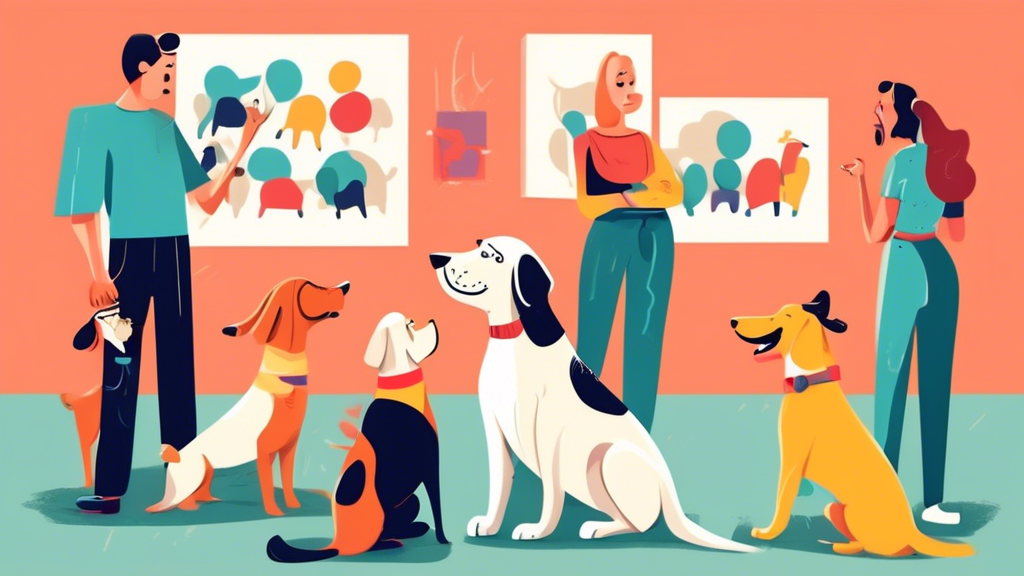
Dog Trainer Spills the Beans: The Unexpected Truth About Doggy Daycare
The Dog Days Are Over: Why I Used to Be Wary
For years, as a certified dog trainer, I’ve witnessed the good, the bad, and the downright ugly when it comes to dog ownership. And honestly, doggy daycare often fell into the proceed with caution category in my book. Why? Let’s just say, I’ve seen enough poorly managed packs and heard enough horror stories to make any dog lover think twice.
Images of out-of-control pups running amok, resource guarding over toys, and the inevitable bully dominating the playgroup used to plague my thoughts. It’s not that I didn’t see the potential benefits—the exercise, the socialization, the much-needed break for busy owners—but the risks often seemed to outweigh the rewards. For example, I’ve seen a 12-week-old Cavalier King Charles Spaniel puppy, weighing just 5 lbs (2.3 kg), overwhelmed and cowering from a boisterous 80 lb (36 kg) Labrador Retriever in an unsupervised play area. Or a pack of adolescent Huskies, aged 8-14 months, ganging up on a smaller, shyer Beagle mix over a squeaky ball. These experiences reinforced my initial skepticism.
My Perspective Shifts: Not All Daycares Are Created Equal
However, my perspective has undergone a significant shift recently. I can now confidently say that I’m a doggy daycare advocate, but with a HUGE caveat: not all doggy daycares are created equal.
Think of it this way: sending your dog to a subpar daycare is like sending your kid to a school with no teachers and a free-for-all in the playground. Disaster waiting to happen, right? But, just like a fantastic school can do wonders for a child’s development, a well-run doggy daycare can be an enriching and positive experience for your furry friend. The key is understanding what makes a daycare truly excellent, a topic we delve into further in Dog trainer reveals the one game-changing thing you need to improve your dog's behavior.
Spotting the Diamond in the Ruff: What to Look for in a Doggy Daycare
So, how do you separate the wheat from the chaff and find a doggy daycare that will have your pup bouncing back home with a wagging tail and a happy heart? Here’s what I, as a dog trainer, urge you to look for:
1. Safety First, Fun Second:
- Rigorous Screening Process: A reputable daycare will have a thorough evaluation process for all dogs. This includes temperament tests to ensure they can handle a group setting and proof of up-to-date vaccinations (Rabies, Distemper/Parvo, Bordetella) to prevent the spread of illnesses. They should also require a fecal test every 6-12 months to check for parasites. For instance, a good daycare might have a "meet and greet" where your dog spends 2-4 hours interacting with a small, stable group of dogs under direct staff supervision before being fully admitted.
- Appropriate Supervision: Never underestimate the importance of a good staff-to-dog ratio. Look for a daycare with a high number of trained staff members who are actively engaged with the dogs, monitoring their interactions, and stepping in to redirect any unwanted behavior. A ratio of 1 staff member to every 10-15 dogs is generally considered a good benchmark for active play areas. Staff should be able to recognize subtle cues like a dog’s surprising reasons why your dog's hackles rise, lip licking, or whale eye, indicating stress before it escalates.
- Safe and Clean Environment: The facility itself should be secure, with no escape routes, and kept meticulously clean to minimize the risk of illness. Ample space to roam and play is crucial, and separate areas for dogs with different play styles and energy levels are a huge plus. For example, a 1,000 sq ft indoor space might be adequate for 10-15 small dogs (under 25 lbs/11 kg) but completely insufficient for the same number of large, energetic breeds like German Shepherds or Boxers. Look for separate zones for "small and shy" dogs, "medium and playful" dogs, and "large and boisterous" dogs.
2. It’s All About the Play (Style):
- Matching Playmates: Just like people, dogs have different play styles. A good daycare will group dogs based on size, temperament, and energy levels to ensure everyone has a fun and safe time. Watch how the staff manage the playgroups—they should be skilled at recognizing signs of stress or overstimulation and separating dogs when needed. A good example is separating a 6-month-old Golden Retriever puppy, who loves to wrestle, from a 7-year-old Pug, who prefers gentle sniffing and quiet companionship.
- Enrichment Activities: Daycare shouldn’t just be about endless roughhousing. Look for a facility that offers a variety of enrichment activities, such as puzzle toys, scent games, and short training sessions, to keep those canine brains engaged and prevent boredom. This could include 15-minute "brain breaks" with Kongs stuffed with peanut butter, supervised "find it" games with scattered kibble (check with your vet about calorie intake, or use our Dog Feeding Calculator), or even brief sessions practicing basic cues like "sit" and "stay" in a low-distraction environment.
3. Open Communication is Key:
- Transparency and Feedback: A good daycare will welcome your questions and provide regular updates on your dog’s day. Don’t be afraid to ask about their policies, training methods, and how they handle emergencies. They should be open and transparent about their practices. Many reputable daycares use apps to send photo updates or "report cards" detailing your dog's activities, potty breaks, and mood throughout the day.
- Trial Run: Before committing to a full day, start with a half-day or a trial session to see how your dog adjusts. This gives you a chance to observe the environment and staff firsthand and see if it’s the right fit for your furry companion. A typical trial might be 3-4 hours, allowing your dog to experience the environment without becoming overly tired or stressed. Pay attention to your dog's body language when you pick them up – are they relaxed, happy, or showing signs of stress like excessive panting, drooling, or reluctance to enter the facility on subsequent visits?
The Verdict: Doggy Daycare Done Right Can Be a Game-Changer
Choosing the right doggy daycare isn’t a decision to be taken lightly. It requires careful research, observation, and, most importantly, trusting your gut. But when you find that perfect place—a place that prioritizes safety, fosters positive socialization, and provides a stimulating and enriching environment—it can be an absolute game-changer for both you and your dog.
Remember, a tired dog is a happy dog, and a happy dog makes for a happy owner. So, go ahead, explore your options, ask the right questions, and who knows, you might just find yourself becoming a doggy daycare convert, just like me. For more insights into improving your dog's daily life, check out our Daily Dog Exercise Planner.
Written and reviewed by the Doggie General editorial team. This article is general information for dog owners, not veterinary advice. If your dog is unwell or you are worried about its health or behavior, contact your veterinarian. When you buy through links on this site we may earn a commission.