
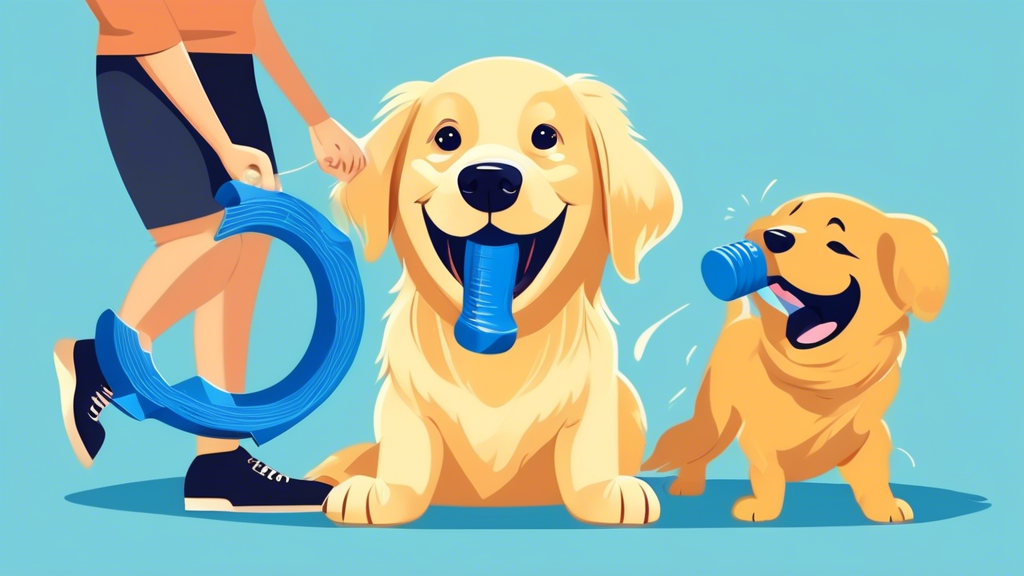
Why Do Puppies Bite?
Puppies explore the world with their mouths. Just like babies put everything in their mouths, puppies do the same, using their sharp little teeth! It’s a natural instinct, but that doesn’t mean you should let it slide. Here’s why puppies bite:
Teething
Between 3 to 6 months old, puppies experience teething discomfort as their adult teeth push through. Biting helps relieve the pressure on their gums.
Playfulness
Puppies are bundles of energy, and biting is often part of their play behavior. They might nip, mouth, and chew during play, especially with littermates.
Exploration
As mentioned, puppies learn about their surroundings through their mouths. They may mouth or nibble on objects (including you!) to gather information about texture, taste, and how things feel.
Attention-Seeking
Sometimes, puppies resort to biting when they crave attention, even if it’s negative. Any reaction from you, even a scolding, can be misinterpreted as positive reinforcement.
Training Tips to Stop Puppy Biting
Remember, consistency and patience are key. Don’t get discouraged!
1. Redirect with Chew Toys
The Moment Your Puppy Bites:
- Ouch! or a High-Pitched Yelp: Make a sudden, high-pitched sound that mimics how puppies communicate pain to each other.
- Immediately Withdraw Attention: Turn away from your puppy, cross your arms, and ignore them for a short period (10-15 seconds). This teaches them that biting equals losing your fun and attention.
- Offer an Appropriate Chew Toy: Once your puppy is calm, present a durable, engaging chew toy as a positive alternative for their biting urges. Praise them when they chew the toy.
2. Encourage Bite Inhibition
Bite inhibition means teaching your puppy to control the force of their bite. Even if they still mouth you during play, you want them to learn to do it gently:
- Gentle Play: Engage in calm play sessions using toys. If their teeth make contact with your skin, even gently, use the ouch technique and redirect.
- Praise Soft Mouths: Reward your puppy with praise and treats when they interact with you gently, licking or mouthing softly.
3. Socialization is Crucial
Puppyhood is a critical socialization period. Exposing your puppy to a variety of:
- People: Different ages, appearances, and even those using mobility aids.
- Dogs: Enroll in a well-run puppy socialization class or carefully supervised playdates with vaccinated and friendly dogs.
- Environments: Parks, busy streets (with you holding them securely or using a stroller), and pet-friendly stores.
Socialization teaches your puppy appropriate canine behavior and helps them learn bite inhibition naturally through play with other pups.
4. Positive Reinforcement
Reward your puppy’s good behavior!
- Treats: Use small, high-value treats for rewarding desired actions like chewing on their toys, following commands, and interacting gently.
- Praise: Use an enthusiastic and happy tone of voice. Tell your puppy they’re a Good dog! or Yes! when they make the right choices.
- Play: Engaging in a quick game of fetch or tug (with a toy, not your hand!) can be a great reward for positive behavior.
5. Timeouts for Persistent Biting
If your puppy continues to bite despite redirection and positive reinforcement, a brief timeout can be effective:
- Safe Space: Designate a timeout zone, such as their crate or a puppy-proofed room. Make sure it’s not used as punishment – it should be a comfortable and familiar space.
- Calmly Move Them: If your puppy bites, calmly say Too rough or No bite and lead them to the timeout zone for a short period (1-2 minutes for a young puppy).
- Avoid Interaction: Don’t give them any attention during the timeout. It’s about giving them a chance to calm down.
6. Teething Relief
If teething is the culprit, provide safe and soothing options for your puppy:
- Frozen Toys: Freeze a wet washcloth, a rubber chew toy, or a Kong filled with peanut butter. The cold can help numb their gums.
- Frozen Carrots or Ice Cubes: Supervise closely to prevent choking, but these can offer temporary relief.
When to Seek Professional Help
While most puppies respond well to consistent training, don’t hesitate to seek professional guidance if:
- Biting is Severe: If your puppy’s bites break the skin or you’re concerned about their aggression levels.
- You’re Feeling Overwhelmed: A certified dog trainer or behaviorist can provide personalized advice and create a training plan tailored to your puppy’s needs.
Remember: Patience and Positivity
Training takes time and patience. Stay positive, be consistent with your methods, and celebrate each milestone along the way! With love, dedication, and the right approach, you can teach your puppy to be a well-mannered, happy, and bite-free companion for life.
Written and reviewed by the Doggie General editorial team. This article is general information for dog owners, not veterinary advice. If your dog is unwell or you are worried about its health or behavior, contact your veterinarian. When you buy through links on this site we may earn a commission.