
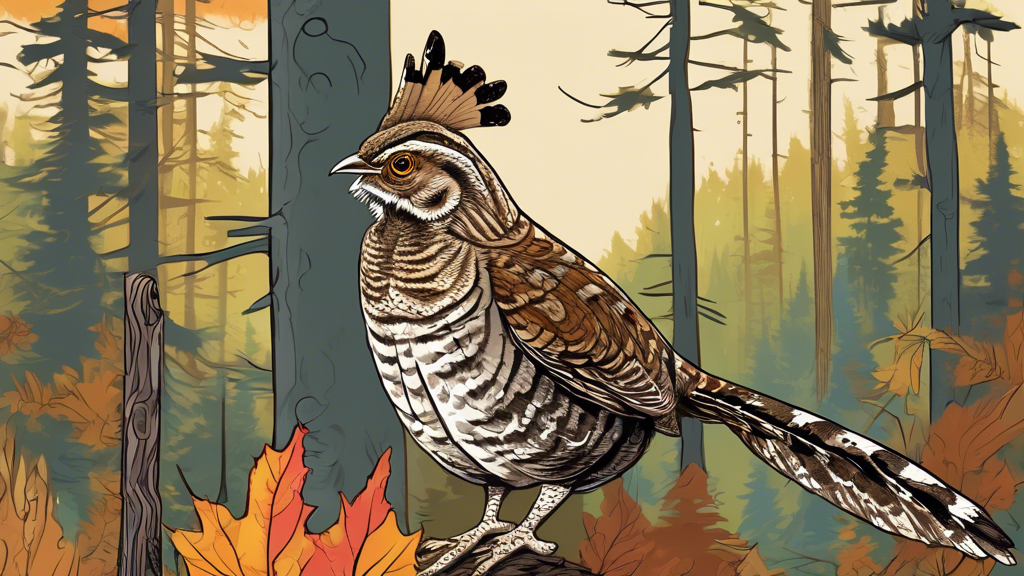
Ruffed Grouse Numbers, Dog Training, Owl Disputes, and BWCA Leash Laws – Episode 496
Ruffed Grouse Population Trends
Ruffed grouse (Bonasa umbellus) are a popular game bird found throughout the northern United States and Canada. Their populations are known to fluctuate cyclically, with peaks and valleys occurring approximately every 10 years. For example, in Minnesota, peak populations were observed in 2010 and 2020, with declines noted in the mid-cycle years. These cycles are influenced by a complex interplay of factors, including:
- Predator-prey relationships: For instance, increased populations of predators like coyotes or great horned owls can significantly impact grouse numbers.
- Habitat quality and availability: Mature aspen forests with dense undergrowth provide ideal cover and food sources.
- Weather patterns: Severe winters with deep snow or late spring frosts can affect nesting success and chick survival.
- Disease outbreaks: West Nile Virus, though not a primary driver of cycles, can cause localized declines.
Understanding these factors and their impact on grouse populations is crucial for effective wildlife management and conservation efforts. Researchers and wildlife agencies use various methods to monitor grouse numbers, including:
- Drumming count surveys: Biologists listen for the distinctive drumming sound of male grouse in early spring.
- Hunter harvest data: Analyzing the number of grouse harvested by hunters provides an index of population trends.
- Habitat assessments: Evaluating forest composition and understory density helps understand carrying capacity.
This data helps to inform hunting regulations, habitat management practices, and other conservation measures aimed at maintaining healthy grouse populations.
Training Your Dog for Grouse Hunting
Grouse hunting with a trained dog is an exhilarating experience. These elusive birds are masters of camouflage and often hold tight in thick cover, making a skilled canine companion invaluable for flushing them out. A well-trained dog can significantly increase your success rate and enhance the overall hunting experience.
Here are some essential aspects of grouse dog training:
Breed Selection
While many breeds can excel at grouse hunting, some popular choices include:
- English Springer Spaniels: Known for their energetic flushing and retrieving abilities, often weighing 40-50 lbs (18-23 kg).
- Brittany Spaniels: Intelligent, biddable, and excellent pointers, typically 30-40 lbs (14-18 kg).
- German Shorthaired Pointers: Versatile and athletic, excelling at both pointing and retrieving, usually 45-70 lbs (20-32 kg).
- English Setters: Graceful and natural pointers with a strong prey drive, often 45-80 lbs (20-36 kg).
- Golden Retrievers: While primarily known for waterfowl, their excellent retrieving skills and biddable nature make them adaptable, weighing 55-75 lbs (25-34 kg).
These breeds generally possess the temperament, trainability, and physical attributes well-suited for navigating challenging terrain and working closely with their handlers. For help finding the right fit, try our Breed Selector Quiz.
Early Exposure and Socialization
Starting training and socialization early is crucial for any hunting dog. Expose your puppy to various sights, sounds, surfaces, and experiences from a young age, ideally between 8 and 16 weeks. This helps build their confidence and adaptability. For example, introduce them to different terrains like tall grass, rocky paths, and shallow water.
Basic Obedience
Solid obedience commands like "come," "sit," "stay," and "heel" are essential for any hunting dog. Consistent training ensures your dog is responsive and under control, particularly in exciting hunting situations. Start with short, 5-10 minute sessions daily from 8 weeks old. For a deeper dive into effective methods, explore Positive Reinforcement Dog Training: The Science-Based Guide.
Introduction to Birds
Begin by introducing your dog to the scent of grouse feathers or wings. Use positive reinforcement techniques to associate the scent with rewards. For a 4-month-old puppy, start by placing a grouse wing in a sock and letting them sniff it, rewarding with high-value treats like small pieces of cooked chicken. Gradually progress to using training dummies or live birds in controlled environments. Many trainers utilize Wireless Bird Launchers for Training Dogs to simulate realistic flushing scenarios.
Gun Dog Training
If you plan to hunt with a firearm, proper gun dog training is crucial. Introduce gunfire gradually and at a distance, associating it with positive experiences. Start with a .22 blank pistol fired 100 yards away while your 6-month-old dog is eating, slowly decreasing the distance over several weeks as they remain calm. Ensure your dog is comfortable with the sound and remains steady during shooting.
Field Training
Regular field training in areas similar to where you’ll be hunting is essential. This allows your dog to practice searching for birds, holding a point (for pointing breeds), and retrieving under your guidance. Aim for 2-3 field sessions per week, lasting 30-60 minutes each, once your dog is 8-12 months old and has a solid grasp of basic obedience and bird introduction.
The Great Horned Owl: Friend or Foe to Grouse?
The relationship between great horned owls (Bubo virginianus) and ruffed grouse is complex, characterized by both predation and competition.
Great horned owls are opportunistic predators with a varied diet. Ruffed grouse, particularly young chicks (less than 1 lb / 0.45 kg) and vulnerable adults, can become prey for these nocturnal hunters. Owls primarily rely on their exceptional hearing and silent flight to locate prey in low-light conditions, often hunting from dusk till dawn. Studies have shown that during periods of low small mammal populations, owls may shift their diet more heavily towards game birds.
However, these two species also share similar habitat preferences, leading to potential competition for resources such as food (e.g., insects, berries) and nesting sites (e.g., dense cover). The extent of this competition can vary depending on factors like prey availability and habitat quality. For instance, in an area with abundant alternative prey like voles and mice, the owl's impact on grouse might be minimal.
Maintaining healthy and balanced ecosystems is crucial for both species to thrive. This includes ensuring sufficient habitat diversity, managing predator-prey relationships, and minimizing human-induced disturbances.
Navigating Leash Laws in the BWCAW
The Boundary Waters Canoe Area Wilderness (BWCAW) is a pristine wilderness area located in northeastern Minnesota, renowned for its stunning beauty and exceptional canoeing opportunities. To preserve this unique ecosystem, specific regulations are in place, including leash laws for dogs.
Within the BWCAW, dogs must be kept on a leash no longer than 6 feet (1.8 meters) at all times. This regulation aims to:
- Protect wildlife: Preventing dogs from chasing or harassing wildlife, such as deer, moose, or nesting birds, helps maintain natural behaviors and ecological balance. A dog running off-leash can stress or injure wildlife, especially during sensitive breeding seasons.
- Minimize disturbances: Leashed dogs are less likely to disrupt other visitors' wilderness experience or cause conflicts with other animals. An off-leash dog approaching another camper or their dog can lead to unnecessary tension.
- Ensure visitor safety: Keeping dogs on leashes reduces the risk of encounters with wildlife (like bears or wolves), getting lost in the vast wilderness, or falling into waterways, especially near rapids or portages.
Respecting these leash laws is crucial for the continued enjoyment and preservation of the BWCAW for all visitors, both human and canine. Failure to comply can result in fines and removal from the wilderness area.
Conclusion
From understanding ruffed grouse population dynamics to training your canine hunting companion and navigating leash laws in protected areas, responsible outdoor recreation requires knowledge and respect for the natural world. By staying informed and following ethical practices, we can ensure the sustainability of our cherished outdoor pursuits and the well-being of the wildlife and ecosystems that support them.
Written and reviewed by the Doggie General editorial team. This article is general information for dog owners, not veterinary advice. If your dog is unwell or you are worried about its health or behavior, contact your veterinarian. When you buy through links on this site we may earn a commission.