
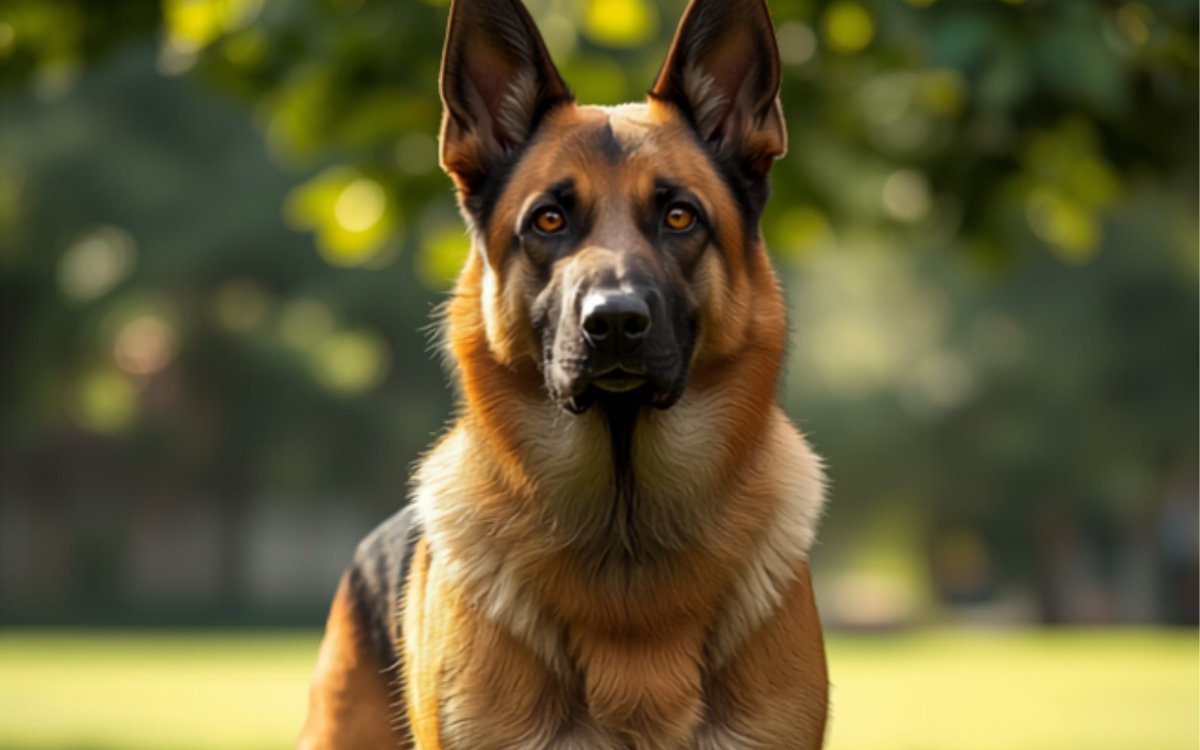
Quick Answer: German Shepherds are loyal, highly intelligent, and deeply bonded to their family — but they are also a high-commitment breed that requires significant exercise, consistent training from an early age, and a owner who understands how to work with their natural instincts rather than against them. An under-stimulated, under-socialized German Shepherd is one of the most difficult dogs to live with. A well-trained, well-socialized one is one of the most rewarding.
German Shepherds are the third most popular dog breed in the United States, and they earn that position — but the breed is often chosen for the wrong reasons. People see a confident, handsome dog and imagine an easy, impressive companion. The reality is that German Shepherds are working dogs in every sense of the word, and they do best with owners who can meet that work ethic. For more information on comparing breeds, you might find our article on Doberman Pinscher vs German Shepherd helpful.
German Shepherd Basics
- Size: Males 65–90 lbs, females 50–70 lbs
- Lifespan: 9–13 years
- Energy level: High
- Shedding: Heavy — year-round, with two heavy seasonal sheds. Earned the nickname “German Shedder.”
- Health concerns: Hip and elbow dysplasia, degenerative myelopathy, bloat, exocrine pancreatic insufficiency
Exercise and Mental Stimulation
German Shepherds need at least 90 minutes of vigorous activity daily — and much of that needs to be mentally engaging, not just physical. A long run satisfies the body but not the mind. A German Shepherd that is not given things to figure out, problems to solve, or skills to develop will create its own job — usually something destructive.
The best exercise formats for GSDs: off-leash running in a secure area, fetch, swimming, hiking, tracking games, agility, or any structured dog sport. Training sessions count as mental exercise — even 15–20 minutes of obedience, trick training, or nose work is measurably tiring for a German Shepherd’s active brain.
Use our Daily Dog Exercise Planner to build a structured weekly schedule that incorporates both physical and mental activity for your GSD.
Training a German Shepherd
German Shepherds are among the most trainable dogs on the planet — they learn quickly, retain commands reliably, and are highly responsive to consistent handling. The challenge is that they are also perceptive enough to notice inconsistency, and they test it. A training approach that is firm one day and permissive the next produces a confused, anxious dog who behaves erratically.
Start training early — from the day you bring a puppy home. The socialization window (8–16 weeks) is the most critical period in a German Shepherd’s development. Exposure to different people, environments, sounds, and situations during this window builds the confident, stable temperament that makes a GSD a pleasure to live with. Under-socialized GSDs commonly develop fear-based reactivity — a serious and difficult-to-reverse problem.
Use positive reinforcement as the foundation. German Shepherds do respond to correction, but punishment-heavy methods with this breed tend to produce either a dog that shuts down (suppresses behavior without changing the underlying emotion) or one that becomes defensive. Reward-based training builds the relationship and produces better results long-term.
Socialization — The Most Important Investment
German Shepherds have strong protective instincts and a natural wariness of strangers — this is a feature of the breed, not a flaw. Managed correctly, it makes them excellent alert dogs. Unmanaged, it creates a dog that barks at everything, lunges at strangers on walks, and cannot be trusted in public.
Proactive socialization means controlled, positive exposure to: strangers of different appearances, children (if you have them), other dogs, other animals, vehicles, crowds, different flooring surfaces, veterinary environments, and anything else your dog will regularly encounter. Every new experience in puppyhood is an investment that pays back across the dog’s entire life.
Feeding a German Shepherd
Most adult German Shepherds need 1,200–1,700 calories per day depending on size and activity level. This breed is prone to bloat (gastric dilatation-volvulus), particularly in deep-chested individuals. Feeding two smaller meals rather than one large meal reduces bloat risk. Avoid vigorous exercise for at least 45 minutes before and after eating.
Some GSDs have sensitive digestive systems and do better on limited-ingredient or grain-inclusive diets. If your GSD has chronic soft stools, gas, or poor coat quality, dietary changes are often the first step to investigate — after ruling out medical causes with your vet.
Health Considerations
Hip and elbow dysplasia are serious concerns — responsible breeders screen for both. Maintain a lean weight throughout the dog’s life; carrying extra weight is the single most avoidable risk factor for early joint deterioration.
Degenerative myelopathy (DM) is a progressive spinal cord disease with a genetic component. DNA testing can identify dogs at risk. There is no cure, but physical therapy significantly slows progression in affected dogs.
Exocrine pancreatic insufficiency (EPI) causes inability to properly digest food, resulting in dramatic weight loss despite a good appetite. Treatable with daily enzyme supplementation. Blood tests can diagnose it definitively.
SJ
Susan J
Online Editor, Doggie General
Susan J has spent more than a decade writing about dog care, behavior, and training. A dog owner since childhood with hands-on experience across Labradors, mixed breeds, and rescue dogs, she draws on guidance from veterinary and behavioral organisations to make expert knowledge practical for everyday owners. Read more about Susan J →
Free AI Tools for This Topic
🍽️ Dog Feeding Calculator 🐾 Dog Behavior Analysis
Related Articles
- Labrador Retriever Care Guide
- Positive Reinforcement Dog Training
- Dog Mental Stimulation: How to Keep Your Dog Engaged
Written and reviewed by the Doggie General editorial team. This article is general information for dog owners, not veterinary advice. If your dog is unwell or you are worried about its health or behavior, contact your veterinarian. When you buy through links on this site we may earn a commission.