
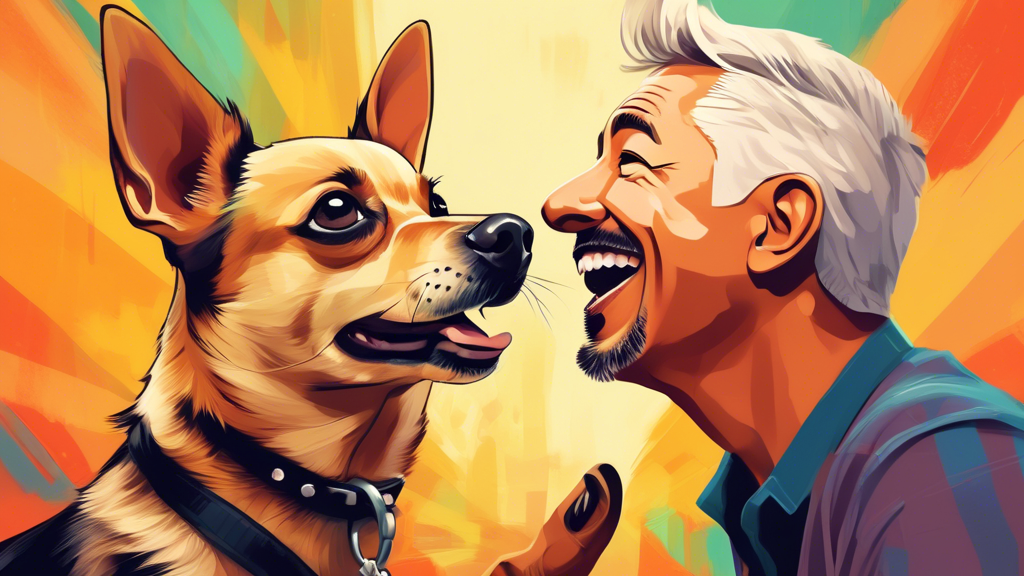
Who is Cesar Millan?
Cesar Millan, widely recognized as The Dog Whisperer, is a renowned dog trainer who gained international fame through his hit TV show Dog Whisperer with Cesar Millan. Born in Culiacán, Sinaloa, Mexico, Millan’s deep connection with dogs began in his youth, earning him the nickname El Perro (the dog) for his natural ability to understand and interact with canines. His unique approach to dog training emphasizes establishing a leadership role based on calm-assertive energy and understanding dog psychology, focusing on pack mentality, instinct, and communication.
Millan’s methods
have revolutionized how many people approach dog training, moving away from traditional punishment-based methods and promoting a more empathetic and intuitive way of communicating with dogs. His techniques, emphasizing exercise, discipline, and affection, resonate with dog owners worldwide, solidifying his status as a leading figure in the dog training world. For a deeper dive into his personal reflections and challenges, you might find this Q&A insightful: Cesar Millan Discusses Longevity, His Biggest Dog Training Challenge, South Park, and More.
Cesar Millan’s Core Training Philosophy
Cesar Millan’s training philosophy centers on understanding and fulfilling a dog’s primal needs – exercise, discipline, and affection, in that order. Let’s break down each element:
Exercise
Millan emphasizes the importance of physical activity for dogs. A tired dog is a happy dog, and ample exercise helps release pent-up energy, reducing behavioral issues stemming from boredom or frustration. For example, a high-energy breed like a Border Collie or a young Labrador Retriever (under 2 years old) might need 60-90 minutes of vigorous exercise daily, such as a brisk run or a game of fetch, whereas a senior Pug might be content with two 15-minute walks. Walks, runs, and playtime are crucial for a dog’s physical and mental well-being. To plan appropriate activity levels for your specific dog, consider using our Daily Dog Exercise Planner.
Discipline
Discipline, in Millan’s view, isn’t about punishment but setting clear boundaries and limitations. Dogs thrive on routine and structure, and consistent rules help them understand what is acceptable and what is not. For instance, teaching a puppy at 8-12 weeks old to "sit" before receiving a meal or going outside establishes clear expectations. This consistency provides a sense of security and stability for the dog.
Affection
Once a dog’s needs for exercise and discipline are met, affection becomes meaningful. Millan stresses that affection should be given on human terms, not as a reaction to a dog’s demands. For example, petting your dog when they are calmly lying down, rather than when they are jumping up for attention, reinforces desired behavior. This approach helps establish a balanced and healthy relationship where the human remains the pack leader.
Q&A with Cesar Millan
We sat down with Cesar Millan to delve deeper into his training techniques and gain insights into common dog behavior issues:
Q: What are the most common mistakes dog owners make?
Cesar Millan: One of the biggest mistakes is treating dogs like little humans. We tend to humanize them, forgetting they are animals with primal instincts. We shower them with affection without first fulfilling their needs for exercise and discipline, which can lead to behavioral problems. For instance, constantly picking up a small dog like a Chihuahua or a Yorkie when it barks at strangers can inadvertently reinforce anxiety. Another common error is not establishing clear leadership. Dogs need a strong, calm, and assertive leader within their pack, and when owners fail to assume that role, dogs might try to take over, leading to dominance issues. This can manifest in behaviors like resource guarding food or toys, or even nipping at owners.
Q: How can owners establish themselves as pack leaders?
Cesar Millan: It’s not about dominance or aggression. It’s about energy and intention. Dogs communicate through energy. When you approach your dog with calm, assertive energy, you naturally assume the leadership role. This involves setting rules, boundaries, and limitations and sticking to them consistently. For example, always making your dog wait at the door until you give a release command like "okay" before going out, or having them "stay" while you prepare their food. You become a source of stability and guidance, which dogs crave.
Q: How do you address common issues like pulling on the leash or excessive barking?
Cesar Millan: These behaviors often stem from a lack of exercise and leadership. A dog that pulls on the leash has pent-up energy. A long walk or run, perhaps 30-45 minutes for a medium-sized dog like a Beagle or a Staffordshire Bull Terrier, before leash training can make a difference. For leash pulling, I recommend using a slip lead or a properly fitted head halter for control, and practicing the "heel" command in a quiet area first. Excessive barking often signifies boredom or anxiety. Again, exercise is crucial, along with teaching the "quiet" command by rewarding silence, and redirecting their attention with a puzzle toy. For persistent issues, especially puppy biting, professional guidance can be invaluable; you can find more tips here: Puppy Biting: Training Tips From a Professional. Remember, consistency is key in any training.
Q: What advice would you give to first-time dog owners?
Cesar Millan: Educate yourselves on dog psychology. Understand that dogs have primal instincts and needs that differ from ours. Don’t humanize them. Start with exercise, discipline, and then affection. Be consistent with your rules and boundaries, and always project a calm, assertive energy. For example, if you decide your 10-week-old puppy isn't allowed on the furniture, ensure everyone in the household enforces this rule every single time. Don’t be afraid to seek professional help from a certified dog trainer or behaviorist if needed. Many trainers use Positive Reinforcement Dog Training: The Science-Based Guide, which can be very effective.
Cesar Millan’s Lasting Impact
Cesar Millan’s influence on dog training is undeniable. His emphasis on understanding dog psychology, fulfilling primal needs, and establishing clear leadership has resonated with countless dog owners worldwide. By promoting a more empathetic and intuitive approach to training, he has shifted the focus from punishment to communication, helping countless dogs and owners build stronger, healthier relationships.
While his methods have sparked debate and discussion, there’s no denying that Millan’s work has significantly impacted how we view and interact with our canine companions. His legacy lies in encouraging us to see the world through our dogs’ eyes, understand their needs, and build relationships based on mutual respect, trust, and, of course, love.
Written and reviewed by the Doggie General editorial team. This article is general information for dog owners, not veterinary advice. If your dog is unwell or you are worried about its health or behavior, contact your veterinarian. When you buy through links on this site we may earn a commission.